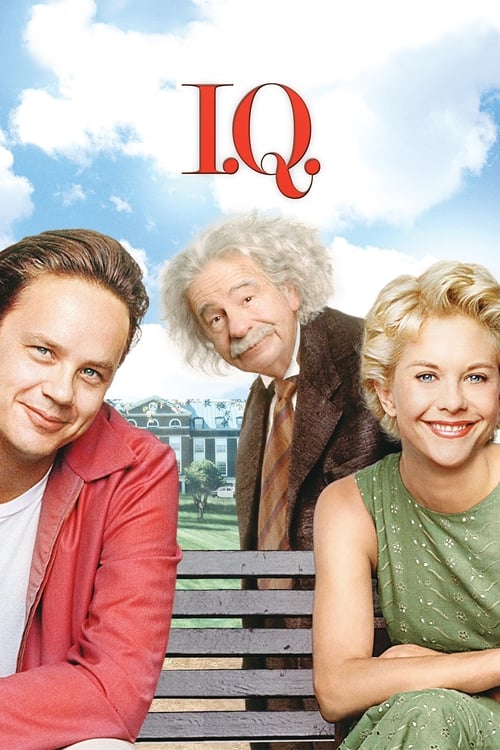
I.Q.
Albert Einstein helps a young man who's in love with Einstein's niece to catch her attention by pretending temporarily to be a great physicist.
Working with a moderate budget of $25.0M, the film achieved a steady performer with $26.4M in global revenue (+6% profit margin).


Plot Structure
Story beats plotted across runtime


Narrative Arc
Emotional journey through the story's key moments
Story Circle
Blueprint 15-beat structure
Arcplot Score Breakdown
Weighted: Precision (70%) + Arc (15%) + Theme (15%)
I.Q. (1994) exhibits precise dramatic framework, characteristic of Fred Schepisi's storytelling approach. This structural analysis examines how the film's 15-point plot structure maps to proven narrative frameworks across 1 hour and 40 minutes. With an Arcplot score of 7.4, the film balances conventional beats with creative variation.
Characters
Cast & narrative archetypes

Ed Walters
Catherine Boyd
Albert Einstein
James Moreland
Nathan Liebknecht
Kurt Gödel
Boris Podolsky
Main Cast & Characters
Ed Walters
Played by Tim Robbins
A charming auto mechanic who falls in love with Catherine and pretends to be a brilliant physicist to impress her.
Catherine Boyd
Played by Meg Ryan
Albert Einstein's brilliant niece, a mathematician engaged to the pompous James Moreland.
Albert Einstein
Played by Walter Matthau
The famous physicist who plays matchmaker by coaching Ed and sabotaging Catherine's engagement.
James Moreland
Played by Stephen Fry
Catherine's pretentious, self-absorbed fiancé, a fellow academic who takes her for granted.
Nathan Liebknecht
Played by Lou Jacobi
One of Einstein's elderly physicist friends who helps with the matchmaking scheme.
Kurt Gödel
Played by Joseph Maher
Renowned logician and one of Einstein's close friends who participates in the romantic conspiracy.
Boris Podolsky
Played by Gene Saks
Another of Einstein's physicist colleagues who aids in the matchmaking plot.
Structural Analysis
The Status Quo at 1 minutes (1% through the runtime) establishes Ed Walters works as an auto mechanic in Princeton, happily fixing cars and dreaming about physics. Catherine Boyd is established as an accomplished mathematician engaged to the stuffy James Moreland, living in her uncle Albert Einstein's world of academia.. Of particular interest, this early placement immediately immerses viewers in the story world.
The inciting incident occurs at 11 minutes when Catherine's car breaks down, and Ed comes to repair it. Their first meeting is electric - Ed is immediately smitten, and there's an undeniable chemistry. This chance encounter disrupts both of their orderly lives.. At 11% through the film, this Disruption aligns precisely with traditional story structure. This beat shifts the emotional landscape, launching the protagonist into the central conflict.
The First Threshold at 25 minutes marks the transition into Act II, occurring at 25% of the runtime. This reveals the protagonist's commitment to Ed accepts Einstein's offer to pose as a physicist and pursue Catherine, despite knowing it's based on deception. He makes the active choice to enter Catherine's world under false pretenses, crossing the point of no return., moving from reaction to action.
At 50 minutes, the Midpoint arrives at 50% of the runtime—precisely centered, creating perfect narrative symmetry. Notably, this crucial beat Catherine kisses Ed at a party, marking a false victory - she's falling for him. However, the stakes are raised as James becomes suspicious, and Ed realizes the deception is growing more complicated. The relationship shifts from playful to serious with real consequences., fundamentally raising what's at risk. The emotional intensity shifts, dividing the narrative into clear before-and-after phases.
The Collapse moment at 74 minutes (74% through) represents the emotional nadir. Here, The truth is revealed - Catherine discovers that Ed is not a physicist and that Einstein and his friends orchestrated the entire deception. She feels betrayed and humiliated. Ed loses everything he's gained. The relationship appears dead., shows the protagonist at their lowest point. This beat's placement in the final quarter sets up the climactic reversal.
The Second Threshold at 79 minutes initiates the final act resolution at 79% of the runtime. Einstein tells Catherine that while the deception was wrong, Ed's feelings were real - he pursued her with his heart, not his mind. Catherine realizes that she must choose between safe logic (James) and passionate love (Ed). She gains clarity about what truly matters., demonstrating the transformation achieved throughout the journey.
Emotional Journey
I.Q.'s emotional architecture traces a deliberate progression across 15 carefully calibrated beats.
Narrative Framework
This structural analysis employs a 15-point narrative structure framework that maps key story moments. By mapping I.Q. against these established plot points, we can identify how Fred Schepisi utilizes or subverts traditional narrative conventions. The plot point approach reveals not only adherence to structural principles but also creative choices that distinguish I.Q. within the comedy genre.
Fred Schepisi's Structural Approach
Among the 7 Fred Schepisi films analyzed on Arcplot, the average structural score is 7.2, reflecting strong command of classical structure. I.Q. represents one of the director's most structurally precise works. For comparative analysis, explore the complete Fred Schepisi filmography.
Comparative Analysis
Additional comedy films include The Bad Guys, Ella Enchanted and The Evening Star. For more Fred Schepisi analyses, see Six Degrees of Separation, Mr. Baseball and Plenty.
Plot Points by Act
Act I
SetupStatus Quo
Ed Walters works as an auto mechanic in Princeton, happily fixing cars and dreaming about physics. Catherine Boyd is established as an accomplished mathematician engaged to the stuffy James Moreland, living in her uncle Albert Einstein's world of academia.
Theme
Einstein tells his friends: "Logic will get you from A to B. Imagination will take you everywhere." This establishes the film's central theme about the superiority of passion and intuition over cold logic in matters of love and life.
Worldbuilding
We meet Einstein and his fellow Princeton professors (Nathan, Podolsky, and Boris) who enjoy meddling in others' lives. Catherine is introduced as brilliant but emotionally disconnected, preparing for her wedding to James. Ed is shown as a capable mechanic with genuine curiosity about physics.
Disruption
Catherine's car breaks down, and Ed comes to repair it. Their first meeting is electric - Ed is immediately smitten, and there's an undeniable chemistry. This chance encounter disrupts both of their orderly lives.
Resistance
Einstein observes the connection between Ed and Catherine and decides to play matchmaker. He and his friends debate whether to interfere. They concoct a plan to make Ed appear to be a brilliant physicist to impress Catherine and get him invited into their academic circle.
Act II
ConfrontationFirst Threshold
Ed accepts Einstein's offer to pose as a physicist and pursue Catherine, despite knowing it's based on deception. He makes the active choice to enter Catherine's world under false pretenses, crossing the point of no return.
Mirror World
Catherine and Ed's relationship deepens as she tutors him in mathematics and physics. She represents the world of pure intellect that Ed must navigate, while he represents the world of passion and intuition she has suppressed. Their growing connection embodies the theme.
Premise
The fun of the premise: Ed navigates the academic world with Einstein's help, going on dates with Catherine disguised as intellectual discussions, while James remains oblivious. Catherine begins to open up emotionally. Ed experiences the magic of romance while juggling his dual identity.
Midpoint
Catherine kisses Ed at a party, marking a false victory - she's falling for him. However, the stakes are raised as James becomes suspicious, and Ed realizes the deception is growing more complicated. The relationship shifts from playful to serious with real consequences.
Opposition
James investigates Ed's credentials and begins to uncover the truth. Catherine grows closer to Ed while pulling away from James. The professors' scheme becomes harder to maintain as Ed faces actual academic scrutiny. The lies threaten to collapse under their own weight.
Collapse
The truth is revealed - Catherine discovers that Ed is not a physicist and that Einstein and his friends orchestrated the entire deception. She feels betrayed and humiliated. Ed loses everything he's gained. The relationship appears dead.
Crisis
Ed retreats to his garage, heartbroken. Catherine returns to James but feels empty. Einstein reflects on whether his meddling caused more harm than good. Both Ed and Catherine must face what they've lost and what they truly want.
Act III
ResolutionSecond Threshold
Einstein tells Catherine that while the deception was wrong, Ed's feelings were real - he pursued her with his heart, not his mind. Catherine realizes that she must choose between safe logic (James) and passionate love (Ed). She gains clarity about what truly matters.
Synthesis
Catherine calls off her wedding to James and goes to find Ed. Ed initially resists, hurt by the rejection, but ultimately they reconcile. The professors help orchestrate a final romantic gesture. Catherine chooses imagination over logic, passion over safety.
Transformation
Catherine and Ed are together, with Catherine now embracing both her intellect and her emotions. Ed remains a mechanic but is valued for who he truly is. The closing image mirrors the opening but shows Catherine transformed - no longer trapped by pure logic, she's found balance.