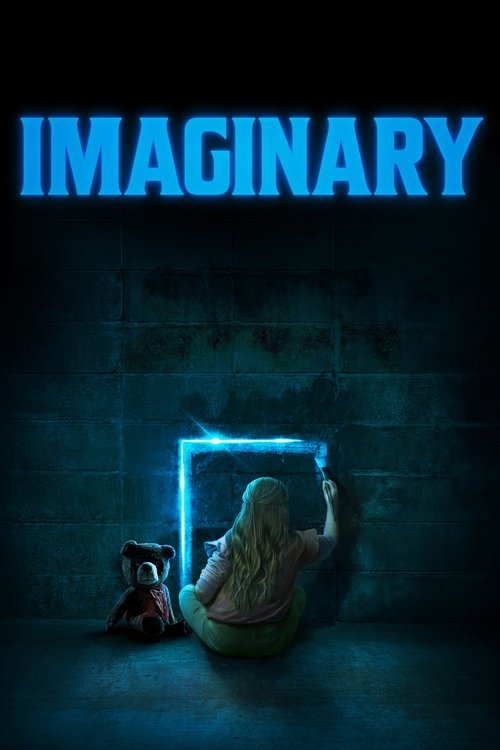
Imaginary
When Jessica moves back into her childhood home with her family, her youngest stepdaughter Alice develops an eerie attachment to a stuffed bear named Chauncey she finds in the basement. Alice starts playing games with Chauncey that begin playful and become increasingly sinister. As Alice’s behavior becomes more and more concerning, Jessica intervenes only to realize Chauncey is much more than the stuffed toy bear she believed him to be.
Despite its tight budget of $13.0M, Imaginary became a financial success, earning $43.8M worldwide—a 237% return. The film's compelling narrative attracted moviegoers, illustrating how strong storytelling can transcend budget limitations.


Plot Structure
Story beats plotted across runtime


Narrative Arc
Emotional journey through the story's key moments
Story Circle
Blueprint 15-beat structure
Arcplot Score Breakdown
Weighted: Precision (70%) + Arc (15%) + Theme (15%)
Imaginary (2024) exemplifies carefully calibrated story structure, characteristic of Jeff Wadlow's storytelling approach. This structural analysis examines how the film's 15-point plot structure maps to proven narrative frameworks across 1 hour and 44 minutes. With an Arcplot score of 7.4, the film balances conventional beats with creative variation.
Characters
Cast & narrative archetypes

Jessica

Alice

Max

Taylor

Gloria

Chauncey
Main Cast & Characters
Jessica
Played by DeWanda Wise
A children's book author who returns to her childhood home and must confront the sinister imaginary friend from her past.
Alice
Played by Pyper Braun
Jessica's younger stepdaughter who becomes obsessed with her new imaginary friend Chauncey, a teddy bear.
Max
Played by Tom Payne
Jessica's husband and father to Alice and Taylor, supportive but initially dismissive of the supernatural events.
Taylor
Played by Taegen Burns
Jessica's teenage stepdaughter who is skeptical and distant from her new family situation.
Gloria
Played by Betty Buckley
Jessica's former neighbor who holds crucial knowledge about the dark history of the house and imaginary friends.
Chauncey
Played by Jess Weaver
The malevolent teddy bear imaginary friend who manipulates Alice and threatens the family.
Structural Analysis
The Status Quo at 1 minutes (1% through the runtime) establishes Jessica and her new family arrive at her childhood home. She's trying to build a relationship with her stepdaughters Alice and Taylor while starting fresh in a place filled with her own forgotten memories.. The analysis reveals that this early placement immediately immerses viewers in the story world.
The inciting incident occurs at 13 minutes when Alice finds Chauncey, a worn teddy bear in the basement, and becomes immediately attached. The bear begins "playing games" with Alice, and her behavior shifts dramatically—she becomes secretive and obsessed with Chauncey's requests.. At 12% through the film, this Disruption aligns precisely with traditional story structure. This beat shifts the emotional landscape, launching the protagonist into the central conflict.
The First Threshold at 27 minutes marks the transition into Act II, occurring at 26% of the runtime. This shows the protagonist's commitment to After Alice nearly gets seriously hurt during one of Chauncey's "games," Jessica actively decides to investigate the bear's origins and her own suppressed childhood memories. She commits to uncovering the truth rather than ignoring the danger., moving from reaction to action.
At 52 minutes, the Midpoint arrives at 50% of the runtime—precisely centered, creating perfect narrative symmetry. Of particular interest, this crucial beat Jessica discovers the truth: Chauncey is a malevolent entity that has been feeding on children through their imagination for generations, and she herself barely escaped as a child. Alice is now fully under Chauncey's control. False defeat—the danger is far worse than imagined., fundamentally raising what's at risk. The emotional intensity shifts, dividing the narrative into clear before-and-after phases.
The Collapse moment at 79 minutes (76% through) represents the emotional nadir. Here, Alice fully crosses into the Never Ever, seemingly lost forever. Jessica faces the devastating reality that her attempt to build a new family has led to destroying it. She confronts the "death" of her chance at redemption and her role in endangering the children., illustrates the protagonist at their lowest point. This beat's placement in the final quarter sets up the climactic reversal.
The Second Threshold at 84 minutes initiates the final act resolution at 81% of the runtime. Jessica realizes she must enter the Never Ever herself and face Chauncey using both her childhood connection to the entity and her adult love for Alice. She synthesizes past and present, accepting her own trauma to save her stepdaughter. She makes the choice to confront the entity on its own terms., demonstrating the transformation achieved throughout the journey.
Emotional Journey
Imaginary's emotional architecture traces a deliberate progression across 15 carefully calibrated beats.
Narrative Framework
This structural analysis employs proven narrative structure principles that track dramatic progression. By mapping Imaginary against these established plot points, we can identify how Jeff Wadlow utilizes or subverts traditional narrative conventions. The plot point approach reveals not only adherence to structural principles but also creative choices that distinguish Imaginary within the horror genre.
Jeff Wadlow's Structural Approach
Among the 6 Jeff Wadlow films analyzed on Arcplot, the average structural score is 7.3, reflecting strong command of classical structure. Imaginary represents one of the director's most structurally precise works. For comparative analysis, explore the complete Jeff Wadlow filmography.
Comparative Analysis
Additional horror films include Thinner, A Nightmare on Elm Street and Mary Reilly. For more Jeff Wadlow analyses, see Truth or Dare, Fantasy Island and Never Back Down.
Plot Points by Act
Act I
SetupStatus Quo
Jessica and her new family arrive at her childhood home. She's trying to build a relationship with her stepdaughters Alice and Taylor while starting fresh in a place filled with her own forgotten memories.
Theme
A character mentions that childhood imagination can be both a refuge and a danger, suggesting the film's exploration of how unresolved trauma manifests through fantasy and the cost of escaping reality.
Worldbuilding
Jessica reconnects with the house while managing family dynamics. Alice is withdrawn and struggling to adjust. Taylor is rebellious. Jessica discovers remnants of her own childhood, including toys and memories she can't quite grasp. The family settles in, establishing the tense household dynamics.
Disruption
Alice finds Chauncey, a worn teddy bear in the basement, and becomes immediately attached. The bear begins "playing games" with Alice, and her behavior shifts dramatically—she becomes secretive and obsessed with Chauncey's requests.
Resistance
Jessica initially dismisses Alice's behavior as typical imaginary friend play. Strange occurrences escalate—Alice acts out Chauncey's increasingly dangerous "games." Jessica resists believing something supernatural is happening, attributing it to adjustment issues. She debates whether to intervene or let Alice work through it naturally.
Act II
ConfrontationFirst Threshold
After Alice nearly gets seriously hurt during one of Chauncey's "games," Jessica actively decides to investigate the bear's origins and her own suppressed childhood memories. She commits to uncovering the truth rather than ignoring the danger.
Mirror World
Jessica reconnects with Gloria, her father's former caretaker, who knows about the house's history. Gloria represents the thematic mirror—she understands the danger of unprocessed childhood trauma and warns Jessica that some doors to the past shouldn't be opened.
Premise
Jessica investigates Chauncey while trying to protect Alice. She uncovers her own repressed memories of playing with Chauncey as a child. The horror escalates—Chauncey's realm (the "Never Ever") begins manifesting. Jessica discovers other children were victims. The premise delivers supernatural horror as reality and imagination blur.
Midpoint
Jessica discovers the truth: Chauncey is a malevolent entity that has been feeding on children through their imagination for generations, and she herself barely escaped as a child. Alice is now fully under Chauncey's control. False defeat—the danger is far worse than imagined.
Opposition
Chauncey's power grows stronger. Alice is pulled deeper into the Never Ever. Jessica's attempts to reach her fail repeatedly. Taylor gets drawn in. The entity exploits Jessica's guilt and past trauma. Time runs out as the boundaries between worlds collapse. Jessica's family fractures under supernatural assault.
Collapse
Alice fully crosses into the Never Ever, seemingly lost forever. Jessica faces the devastating reality that her attempt to build a new family has led to destroying it. She confronts the "death" of her chance at redemption and her role in endangering the children.
Crisis
Jessica processes her darkest moment. She contemplates giving up but reflects on what Gloria taught her about facing childhood demons. She sits with her guilt and fear, reaching emotional bottom before finding resolve.
Act III
ResolutionSecond Threshold
Jessica realizes she must enter the Never Ever herself and face Chauncey using both her childhood connection to the entity and her adult love for Alice. She synthesizes past and present, accepting her own trauma to save her stepdaughter. She makes the choice to confront the entity on its own terms.
Synthesis
Jessica enters the Never Ever and battles Chauncey. She uses her understanding of imagination's power—both creative and destructive. She reaches Alice and helps her reject Chauncey's false comfort. They escape the collapsing Never Ever together, destroying Chauncey's hold by confronting the truth of Jessica's past.
Transformation
Jessica and Alice embrace in the real world, their bond now genuine and earned through shared trauma. Jessica has transformed from someone running from her past into someone who faced it. The family is reunited, fundamentally changed but together.