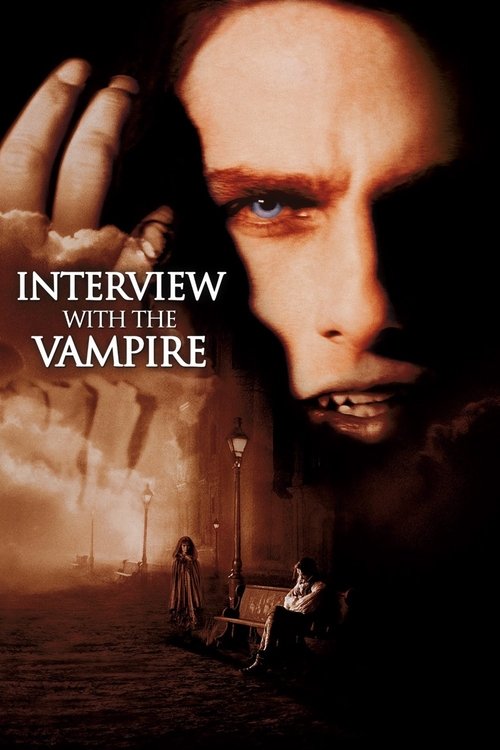
Interview with the Vampire
A vampire relates his epic life story of love, betrayal, loneliness, and dark hunger to an over-curious reporter.
Despite a respectable budget of $60.0M, Interview with the Vampire became a commercial success, earning $223.7M worldwide—a 273% return.
Nominated for 2 Oscars. 24 wins & 34 nominations


Plot Structure
Story beats plotted across runtime


Narrative Arc
Emotional journey through the story's key moments
Story Circle
Blueprint 15-beat structure
Arcplot Score Breakdown
Weighted: Precision (70%) + Arc (15%) + Theme (15%)
Interview with the Vampire (1994) showcases precise plot construction, characteristic of Neil Jordan's storytelling approach. This structural analysis examines how the film's 15-point plot structure maps to proven narrative frameworks across 2 hours and 3 minutes. With an Arcplot score of 6.6, the film balances conventional beats with creative variation.
Characters
Cast & narrative archetypes

Louis de Pointe du Lac
Lestat de Lioncourt
Claudia
Armand
Daniel Molloy
Main Cast & Characters
Louis de Pointe du Lac
Played by Brad Pitt
A tormented vampire who recounts his 200-year existence, struggling with the morality of killing and his cursed immortality.
Lestat de Lioncourt
Played by Tom Cruise
A charismatic and ruthless vampire who creates Louis and revels in the dark pleasures of immortal existence.
Claudia
Played by Kirsten Dunst
A child vampire trapped in a young girl's body forever, who grows to resent her creators for her eternal imprisonment.
Armand
Played by Antonio Banderas
The enigmatic leader of the Parisian vampire coven, ancient and philosophical, who becomes fascinated with Louis.
Daniel Molloy
Played by Christian Slater
The modern-day journalist interviewing Louis, serving as the audience surrogate in this dark tale.
Structural Analysis
The Status Quo at 1 minutes (1% through the runtime) establishes Louis begins his interview with Malloy in San Francisco, establishing the framing device. He is a vampire telling his story, detached and melancholic about his immortal existence.. Of particular interest, this early placement immediately immerses viewers in the story world.
The inciting incident occurs at 15 minutes when Lestat attacks Louis in a dark alley and offers him "the choice I never had" - to become a vampire. This supernatural encounter shatters Louis' death wish with a darker alternative.. At 12% through the film, this Disruption aligns precisely with traditional story structure. This beat shifts the emotional landscape, launching the protagonist into the central conflict.
The First Threshold at 30 minutes marks the transition into Act II, occurring at 24% of the runtime. This illustrates the protagonist's commitment to Louis makes his first kill - the enslaved overseer Daniels - fully crossing into vampirism. He has now taken a human life and cannot return to mortality, though he is horrified by what he's done., moving from reaction to action.
At 62 minutes, the Midpoint arrives at 50% of the runtime—precisely centered, creating perfect narrative symmetry. The analysis reveals that this crucial beat Claudia realizes she will never grow up, forever trapped in a child's body with an adult mind. Her rage at Lestat for this curse shifts the power dynamic, raising the stakes of their supernatural family., fundamentally raising what's at risk. The emotional intensity shifts, dividing the narrative into clear before-and-after phases.
The Collapse moment at 90 minutes (73% through) represents the emotional nadir. Here, The Theatre des Vampires burns Claudia and her companion Madeleine alive as punishment for killing Lestat. Louis loses the only creature he ever loved, experiencing devastating grief and the "whiff of death."., indicates the protagonist at their lowest point. This beat's placement in the final quarter sets up the climactic reversal.
The Second Threshold at 97 minutes initiates the final act resolution at 79% of the runtime. Armand offers Louis a new beginning together, but Louis rejects him, realizing no vampire can fill the void. He chooses isolation, accepting that immortality is indeed a curse, not a gift., demonstrating the transformation achieved throughout the journey.
Emotional Journey
Interview with the Vampire's emotional architecture traces a deliberate progression across 15 carefully calibrated beats.
Narrative Framework
This structural analysis employs a 15-point narrative structure framework that maps key story moments. By mapping Interview with the Vampire against these established plot points, we can identify how Neil Jordan utilizes or subverts traditional narrative conventions. The plot point approach reveals not only adherence to structural principles but also creative choices that distinguish Interview with the Vampire within the horror genre.
Neil Jordan's Structural Approach
Among the 10 Neil Jordan films analyzed on Arcplot, the average structural score is 7.2, reflecting strong command of classical structure. Interview with the Vampire takes a more unconventional approach compared to the director's typical style. For comparative analysis, explore the complete Neil Jordan filmography.
Comparative Analysis
Additional horror films include Thinner, A Nightmare on Elm Street and Mary Reilly. For more Neil Jordan analyses, see The End of the Affair, The Brave One and Marlowe.
Plot Points by Act
Act I
SetupStatus Quo
Louis begins his interview with Malloy in San Francisco, establishing the framing device. He is a vampire telling his story, detached and melancholic about his immortal existence.
Theme
Malloy expresses his desire to become a vampire, foreshadowing the film's exploration of whether immortality is a gift or a curse, and what it means to lose one's humanity.
Worldbuilding
Louis recounts his mortal life in 1791 New Orleans: a wealthy plantation owner consumed by grief after his wife and child's death, self-destructive and suicidal, establishing his vulnerability.
Disruption
Lestat attacks Louis in a dark alley and offers him "the choice I never had" - to become a vampire. This supernatural encounter shatters Louis' death wish with a darker alternative.
Resistance
Louis resists vampirism initially but ultimately accepts Lestat's dark gift. Lestat becomes his maker and reluctant mentor, teaching him to hunt and kill, though Louis struggles with the moral implications.
Act II
ConfrontationFirst Threshold
Louis makes his first kill - the enslaved overseer Daniels - fully crossing into vampirism. He has now taken a human life and cannot return to mortality, though he is horrified by what he's done.
Mirror World
Louis encounters the plague-stricken child Claudia feeding on her dead mother's corpse. This moment introduces the character who will become his companion and reflect his struggle between monstrosity and humanity.
Premise
The "promise of the premise" - vampire life in New Orleans with the dysfunctional family of Louis, Lestat, and child vampire Claudia. Decades pass as they hunt, kill, and navigate their twisted immortal existence together.
Midpoint
Claudia realizes she will never grow up, forever trapped in a child's body with an adult mind. Her rage at Lestat for this curse shifts the power dynamic, raising the stakes of their supernatural family.
Opposition
Claudia and Louis plot against Lestat. They attempt to kill him by poisoning him with dead blood and slashing his throat, then escape to Europe seeking other vampires and answers about their existence.
Collapse
The Theatre des Vampires burns Claudia and her companion Madeleine alive as punishment for killing Lestat. Louis loses the only creature he ever loved, experiencing devastating grief and the "whiff of death."
Crisis
Louis, consumed by grief and rage, locks the Theatre des Vampires in their theater and burns it to the ground, killing Santiago and the coven. He wanders in darkness, alone and broken.
Act III
ResolutionSecond Threshold
Armand offers Louis a new beginning together, but Louis rejects him, realizing no vampire can fill the void. He chooses isolation, accepting that immortality is indeed a curse, not a gift.
Synthesis
Louis returns to the present day, concluding his interview. He encounters Lestat again in New Orleans, now diminished and feeding on rats. The interview ends with Louis departing, leaving Malloy to his fate.
Transformation
Louis drives away into the night alone, his warning unheeded. Despite centuries of suffering, he remains unchanged - still isolated, still cursed. The transformation is the acceptance that there is no transformation.