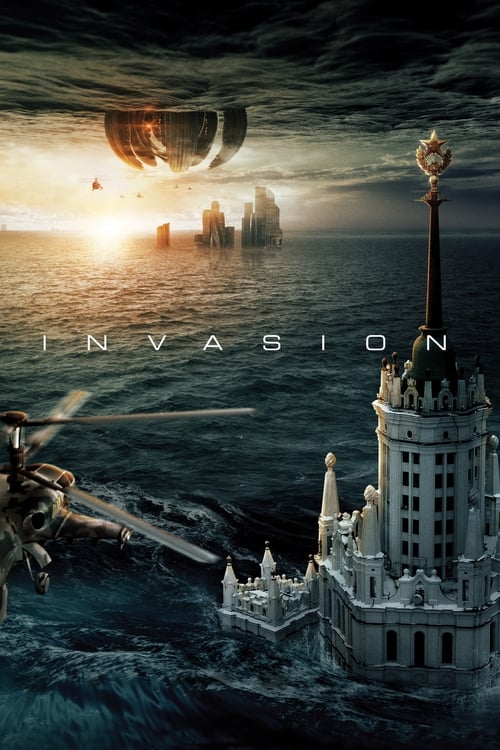
Invasion
Two years after the fall of the alien ship, the life of a young woman from Moscow has been changed forever. Her growing powers are now at the focus of both human and celestial investigation: an alien force takes an interest in her, and will stop short of nothing, including an invasion. Can love and compassion save humanity, when faced with a much greater and more demanding test this time?
Despite its small-scale budget of $8.8M, Invasion became a financial success, earning $32.1M worldwide—a 264% return. The film's bold vision found its audience, showing that strong storytelling can transcend budget limitations.


Plot Structure
Story beats plotted across runtime


Narrative Arc
Emotional journey through the story's key moments
Story Circle
Blueprint 15-beat structure
Arcplot Score Breakdown
Weighted: Precision (70%) + Arc (15%) + Theme (15%)
Invasion (2020) demonstrates carefully calibrated narrative architecture, characteristic of Fyodor Bondarchuk's storytelling approach. This structural analysis examines how the film's 15-point plot structure maps to proven narrative frameworks across 2 hours and 9 minutes. With an Arcplot score of 7.6, the film showcases strong structural fundamentals.
Structural Analysis
The Status Quo at 1 minutes (1% through the runtime) establishes Ordinary life established - protagonist in their normal world before the invasion, showing daily routine and relationships.. Of particular interest, this early placement immediately immerses viewers in the story world.
The inciting incident occurs at 15 minutes when First contact - alien ships arrive or initial invasion event occurs, disrupting normal life.. At 12% through the film, this Disruption aligns precisely with traditional story structure. This beat shifts the emotional landscape, launching the protagonist into the central conflict.
The First Threshold at 32 minutes marks the transition into Act II, occurring at 25% of the runtime. This indicates the protagonist's commitment to Protagonist makes active choice to fight back, flee, or join resistance - commits to action in new reality., moving from reaction to action.
At 65 minutes, the Midpoint arrives at 50% of the runtime—precisely centered, creating perfect narrative symmetry. Notably, this crucial beat False victory - successful attack on aliens or discovery of weakness raises stakes and hope., fundamentally raising what's at risk. The emotional intensity shifts, dividing the narrative into clear before-and-after phases.
The Collapse moment at 97 minutes (75% through) represents the emotional nadir. Here, Devastating loss - base destroyed, ally killed, or hope extinguished; protagonist's lowest point., reveals the protagonist at their lowest point. This beat's placement in the final quarter sets up the climactic reversal.
The Second Threshold at 103 minutes initiates the final act resolution at 80% of the runtime. New information or synthesis of knowledge provides path forward - discovers true alien weakness or finds renewed purpose., demonstrating the transformation achieved throughout the journey.
Emotional Journey
Invasion's emotional architecture traces a deliberate progression across 15 carefully calibrated beats.
Narrative Framework
This structural analysis employs proven narrative structure principles that track dramatic progression. By mapping Invasion against these established plot points, we can identify how Fyodor Bondarchuk utilizes or subverts traditional narrative conventions. The plot point approach reveals not only adherence to structural principles but also creative choices that distinguish Invasion within the science fiction genre.
Fyodor Bondarchuk's Structural Approach
Among the 3 Fyodor Bondarchuk films analyzed on Arcplot, the average structural score is 7.1, reflecting strong command of classical structure. Invasion represents one of the director's most structurally precise works. For comparative analysis, explore the complete Fyodor Bondarchuk filmography.
Comparative Analysis
Additional science fiction films include The Postman, Mad Max 2 and AVP: Alien vs. Predator. For more Fyodor Bondarchuk analyses, see Attraction, Stalingrad.
Plot Points by Act
Act I
SetupStatus Quo
Ordinary life established - protagonist in their normal world before the invasion, showing daily routine and relationships.
Theme
Theme stated about survival, unity, or what it means to be human - delivered by secondary character in casual conversation.
Worldbuilding
Introduction to protagonist's world, family, job, and relationships before first signs of invasion appear.
Disruption
First contact - alien ships arrive or initial invasion event occurs, disrupting normal life.
Resistance
Protagonist debates how to respond, gathers information, possibly meets allies or resists leaving safety.
Act II
ConfrontationFirst Threshold
Protagonist makes active choice to fight back, flee, or join resistance - commits to action in new reality.
Mirror World
Introduction of key relationship or ally who represents thematic values - love interest, mentor, or fellow survivor.
Premise
Exploration of invasion world - surviving, learning alien weaknesses, building resistance, experiencing promised premise.
Midpoint
False victory - successful attack on aliens or discovery of weakness raises stakes and hope.
Opposition
Alien forces retaliate, close in on survivors, situation worsens as protagonist's plans begin failing.
Collapse
Devastating loss - base destroyed, ally killed, or hope extinguished; protagonist's lowest point.
Crisis
Dark night of the soul - protagonist processes loss, questions ability to continue fighting.
Act III
ResolutionSecond Threshold
New information or synthesis of knowledge provides path forward - discovers true alien weakness or finds renewed purpose.
Synthesis
Final battle - protagonist executes plan, confronts invasion force with new understanding and transformed perspective.
Transformation
Victory achieved and protagonist transformed - shows growth from ordinary person to hero who saved humanity.