The Postman
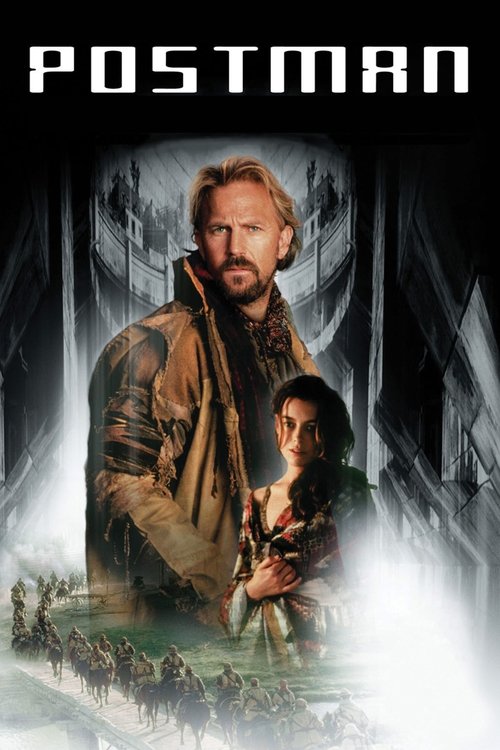
In 2013, there are no highways, no I-ways, no dreams of a better tomorrow, only scattered survivors across what was once the United States. Into this apocalyptic wasteland comes an enigmatic drifter with a mule, a knack for Shakespeare, and something yet undiscovered: the power to inspire hope.
The film financial setback against its substantial budget of $80.0M, earning $17.6M globally (-78% loss). While initial box office returns were modest, the film has gained appreciation for its distinctive approach within the science fiction genre.
7 wins & 7 nominations


Plot Structure
Story beats plotted across runtime


Narrative Arc
Emotional journey through the story's key moments
Story Circle
Blueprint 15-beat structure
Arcplot Score Breakdown
Weighted: Precision (70%) + Arc (15%) + Theme (15%)
The Postman (1997) showcases carefully calibrated plot construction, characteristic of Kevin Costner's storytelling approach. This structural analysis examines how the film's 15-point plot structure maps to proven narrative frameworks across 2 hours and 57 minutes. With an Arcplot score of 6.1, the film takes an unconventional approach to traditional narrative frameworks.
Structural Analysis
The Status Quo at 2 minutes (1% through the runtime) establishes A lone drifter travels through the desolate post-apocalyptic American West in 2013, performing Shakespeare for food in scattered settlements. He is nameless, rootless, and without purpose beyond survival.. Of particular interest, this early placement immediately immerses viewers in the story world.
The inciting incident occurs at 21 minutes when The Postman is captured by General Bethlehem's Holnist army and forced into conscription. His mule is killed, his freedom stripped, and he is branded as property of the militia.. At 12% through the film, this Disruption aligns precisely with traditional story structure. This beat shifts the emotional landscape, launching the protagonist into the central conflict.
The First Threshold at 44 minutes marks the transition into Act II, occurring at 25% of the runtime. This illustrates the protagonist's commitment to Seeking shelter, the Postman discovers a dead postal carrier in an abandoned mail truck. He takes the uniform and mailbag, then makes the fateful choice to pose as a government postman to gain entry to Pineview, claiming the United States has been restored., moving from reaction to action.
At 89 minutes, the Midpoint arrives at 50% of the runtime—precisely centered, creating perfect narrative symmetry. Significantly, this crucial beat The postal movement has become a genuine organization with Ford Lincoln Mercury as an enthusiastic recruit. The Postman realizes his lie has created something real - a network of hope connecting communities. This is a false victory as Bethlehem now views him as a threat., fundamentally raising what's at risk. The emotional intensity shifts, dividing the narrative into clear before-and-after phases.
The Collapse moment at 133 minutes (75% through) represents the emotional nadir. Here, Bethlehem's forces devastate the postal network. The Postman witnesses the death of carriers he inspired, including young Ford Lincoln Mercury being captured. Overwhelmed by guilt and believing he's caused only destruction, the Postman abandons his uniform and flees., indicates the protagonist at their lowest point. This beat's placement in the final quarter sets up the climactic reversal.
The Second Threshold at 142 minutes initiates the final act resolution at 80% of the runtime. The Postman learns that the postal carriers have continued without him - the movement is bigger than one man. Seeing that hope persists despite his absence, he chooses to return and lead the final stand against Bethlehem., demonstrating the transformation achieved throughout the journey.
Emotional Journey
The Postman's emotional architecture traces a deliberate progression across 15 carefully calibrated beats.
Narrative Framework
This structural analysis employs a 15-point narrative structure framework that maps key story moments. By mapping The Postman against these established plot points, we can identify how Kevin Costner utilizes or subverts traditional narrative conventions. The plot point approach reveals not only adherence to structural principles but also creative choices that distinguish The Postman within the science fiction genre.
Kevin Costner's Structural Approach
Among the 4 Kevin Costner films analyzed on Arcplot, the average structural score is 6.8, demonstrating varied approaches to story architecture. The Postman takes a more unconventional approach compared to the director's typical style. For comparative analysis, explore the complete Kevin Costner filmography.
Comparative Analysis
Additional science fiction films include Mad Max 2, AVP: Alien vs. Predator and Repo Men. For more Kevin Costner analyses, see Horizon: An American Saga - Chapter 1, Open Range and Dances with Wolves.
Plot Points by Act
Act I
SetupStatus Quo
A lone drifter travels through the desolate post-apocalyptic American West in 2013, performing Shakespeare for food in scattered settlements. He is nameless, rootless, and without purpose beyond survival.
Theme
An old man in Pineview tells the Postman that people need something to believe in, something bigger than themselves to give them hope. This establishes the theme: symbols and hope can rebuild civilization.
Worldbuilding
The post-apocalyptic world is established: civilization collapsed after war and plague, isolated towns survive by barter, and the fascist Holnist army led by General Bethlehem terrorizes survivors, conscripting men into military service.
Disruption
The Postman is captured by General Bethlehem's Holnist army and forced into conscription. His mule is killed, his freedom stripped, and he is branded as property of the militia.
Resistance
The Postman endures brutal training under the Holnists and witnesses their cruelty firsthand. He debates escape, weighing survival against resistance. He eventually escapes during a battle, fleeing into the wilderness.
Act II
ConfrontationFirst Threshold
Seeking shelter, the Postman discovers a dead postal carrier in an abandoned mail truck. He takes the uniform and mailbag, then makes the fateful choice to pose as a government postman to gain entry to Pineview, claiming the United States has been restored.
Mirror World
The Postman meets Abby, a strong-willed woman in Pineview who sees through his deception but recognizes the hope he brings. Their relationship introduces the theme of building connection and community versus lone survival.
Premise
The Postman travels between towns delivering old mail, and his lie takes on a life of its own. People believe in the Restored United States, young people volunteer as postal carriers, and a genuine mail network begins forming, spreading hope throughout the region.
Midpoint
The postal movement has become a genuine organization with Ford Lincoln Mercury as an enthusiastic recruit. The Postman realizes his lie has created something real - a network of hope connecting communities. This is a false victory as Bethlehem now views him as a threat.
Opposition
General Bethlehem systematically hunts the postal carriers, destroying towns that support them. The Postman struggles with guilt as his lie costs lives. Bethlehem captures and kills postal carriers, sending a brutal message that resistance will be crushed.
Collapse
Bethlehem's forces devastate the postal network. The Postman witnesses the death of carriers he inspired, including young Ford Lincoln Mercury being captured. Overwhelmed by guilt and believing he's caused only destruction, the Postman abandons his uniform and flees.
Crisis
The Postman retreats into isolation, haunted by the deaths his deception caused. He considers abandoning everything, returning to his purposeless drifting. Abby, now pregnant with his child, represents the future he's afraid to fight for.
Act III
ResolutionSecond Threshold
The Postman learns that the postal carriers have continued without him - the movement is bigger than one man. Seeing that hope persists despite his absence, he chooses to return and lead the final stand against Bethlehem.
Synthesis
The Postman rallies the communities and postal carriers for a final confrontation. He challenges Bethlehem to single combat to spare further bloodshed. In their duel, the Postman defeats Bethlehem, and the Holnist army disbands as their leader falls.
Transformation
Years later, a statue of the Postman stands in a rebuilt civilization. His daughter unveils the monument as the community celebrates. The nameless drifter became a symbol that helped restore America - the lie became truth through collective belief and action.