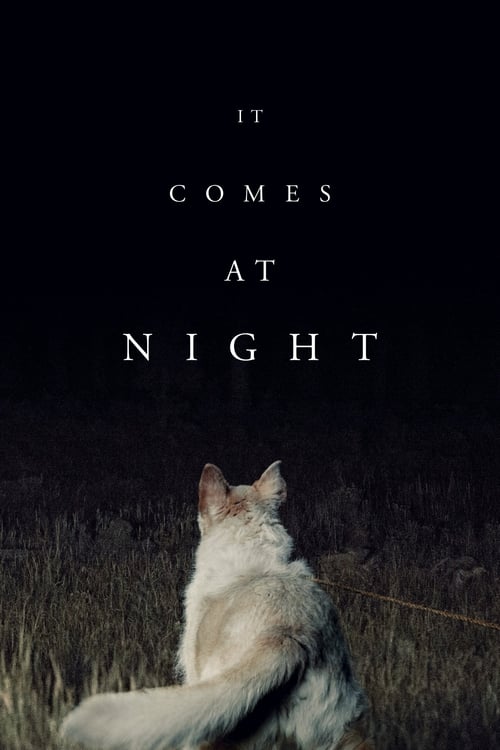
It Comes at Night
Secure within a desolate home as an unnatural threat terrorizes the world, a man has established a tenuous domestic order with his wife and son, but this will soon be put to test when a desperate young family arrives seeking refuge.
Despite its modest budget of $5.0M, It Comes at Night became a solid performer, earning $19.3M worldwide—a 286% return. The film's bold vision found its audience, demonstrating that strong storytelling can transcend budget limitations.
1 win & 13 nominations


Plot Structure
Story beats plotted across runtime


Narrative Arc
Emotional journey through the story's key moments
Story Circle
Blueprint 15-beat structure
Arcplot Score Breakdown
Weighted: Precision (70%) + Arc (15%) + Theme (15%)
It Comes at Night (2017) showcases strategically placed narrative architecture, characteristic of Trey Edward Shults's storytelling approach. This structural analysis examines how the film's 15-point plot structure maps to proven narrative frameworks across 1 hour and 31 minutes. With an Arcplot score of 7.1, the film balances conventional beats with creative variation.
Characters
Cast & narrative archetypes

Paul
Sarah
Travis
Will
Kim
Main Cast & Characters
Paul
Played by Joel Edgerton
A strict patriarch protecting his family in a boarded-up house during a post-apocalyptic plague, enforcing rigid rules for survival.
Sarah
Played by Carmen Ejogo
Paul's wife and Travis's mother, trying to maintain humanity and normalcy while supporting her husband's strict survival protocols.
Travis
Played by Kelvin Harrison Jr.
Paul and Sarah's teenage son, haunted by nightmares and struggling with isolation, fear, and emerging sexuality in the confined household.
Will
Played by Christopher Abbott
A desperate father who breaks into Paul's home seeking water and shelter for his family, bringing uncertainty and potential threat.
Kim
Played by Riley Keough
Will's wife and Andrew's mother, navigating the tension between two families forced to cohabitate under paranoid conditions.
Structural Analysis
The Status Quo at 1 minutes (1% through the runtime) establishes Paul and his family mercy-kill Sarah's infected father, Bud, then burn his body. Establishes the harsh survival protocol in a post-plague world where family must execute infected loved ones.. Notably, this early placement immediately immerses viewers in the story world.
The inciting incident occurs at 11 minutes when Paul hears a break-in at night. He captures Will, a stranger trying to enter the house looking for water. The sealed world is breached by an outsider.. At 12% through the film, this Disruption aligns precisely with traditional story structure. This beat shifts the emotional landscape, launching the protagonist into the central conflict.
The First Threshold at 22 minutes marks the transition into Act II, occurring at 24% of the runtime. This demonstrates the protagonist's commitment to Paul decides to bring Will's family (Kim and Andrew) to live with them. Active choice to merge households and share resources, violating his own rule about trusting only family., moving from reaction to action.
At 46 minutes, the Midpoint arrives at 50% of the runtime—precisely centered, creating perfect narrative symmetry. Structural examination shows that this crucial beat Travis wakes to find the red door open and the dog Stanley missing. Someone breached security protocols. False defeat: The fragile trust is compromised, paranoia resurfaces., fundamentally raising what's at risk. The emotional intensity shifts, dividing the narrative into clear before-and-after phases.
The Collapse moment at 67 minutes (73% through) represents the emotional nadir. Here, Paul finds Andrew in Travis's room, sick. Convinced Will's family is infected and lying, Paul holds them at gunpoint. All trust dies. The whiff of death: Andrew is clearly infected, their hope for community is finished., illustrates the protagonist at their lowest point. This beat's placement in the final quarter sets up the climactic reversal.
The Second Threshold at 73 minutes initiates the final act resolution at 80% of the runtime. Travis realizes he may have sleepwalked and opened the door himself, making him patient zero. The synthesis is devastating: His own fear and paranoia destroyed everything, not the external threat., demonstrating the transformation achieved throughout the journey.
Emotional Journey
It Comes at Night's emotional architecture traces a deliberate progression across 15 carefully calibrated beats.
Narrative Framework
This structural analysis employs structural analysis methodology used to understand storytelling architecture. By mapping It Comes at Night against these established plot points, we can identify how Trey Edward Shults utilizes or subverts traditional narrative conventions. The plot point approach reveals not only adherence to structural principles but also creative choices that distinguish It Comes at Night within the drama genre.
Comparative Analysis
Additional drama films include After Thomas, South Pacific and Dirty Dancing: Havana Nights.
Plot Points by Act
Act I
SetupStatus Quo
Paul and his family mercy-kill Sarah's infected father, Bud, then burn his body. Establishes the harsh survival protocol in a post-plague world where family must execute infected loved ones.
Theme
Paul tells Travis: "You can't trust anyone but family." The film's central question: Can survival and trust coexist, or does fear destroy both?
Worldbuilding
Daily routine in the isolated house: strict security protocols, the single red door, gas masks, rationed resources. Travis has nightmares blending reality and paranoia. The family's rigid rules keep them alive but isolated.
Disruption
Paul hears a break-in at night. He captures Will, a stranger trying to enter the house looking for water. The sealed world is breached by an outsider.
Resistance
Paul interrogates Will while keeping him tied up. Will claims he has a wife and son, offers to share supplies. Paul debates whether to trust him, weighing risk against resources. Sarah advocates for helping them.
Act II
ConfrontationFirst Threshold
Paul decides to bring Will's family (Kim and Andrew) to live with them. Active choice to merge households and share resources, violating his own rule about trusting only family.
Mirror World
The two families share their first meal together. Travis observes Kim and develops fascination with her. Will and Kim represent the possibility of trust and community versus Paul's paranoid isolation.
Premise
The families integrate: working together, sharing chores, establishing routines. Brief moments of normalcy and connection. Travis bonds with Andrew. The promise: Maybe they can build something together in this broken world.
Midpoint
Travis wakes to find the red door open and the dog Stanley missing. Someone breached security protocols. False defeat: The fragile trust is compromised, paranoia resurfaces.
Opposition
Tension escalates. They find Stanley infected, must kill him. Accusations fly about who opened the door. Travis has nightmares merging Will's family with infection. Paul grows suspicious. Andrew gets sick. Paranoia metastasizes.
Collapse
Paul finds Andrew in Travis's room, sick. Convinced Will's family is infected and lying, Paul holds them at gunpoint. All trust dies. The whiff of death: Andrew is clearly infected, their hope for community is finished.
Crisis
Confrontation escalates into violence. Will fights back to protect his family. In the chaos, Paul and Sarah kill Will, Kim, and infected Andrew. Travis witnesses the slaughter. Darkness and horror settle over the house.
Act III
ResolutionSecond Threshold
Travis realizes he may have sleepwalked and opened the door himself, making him patient zero. The synthesis is devastating: His own fear and paranoia destroyed everything, not the external threat.
Synthesis
Travis becomes symptomatic. Paul and Sarah must face that their son is infected. They isolate him. Travis dies alone. Paul and Sarah burn his body. Their worst fear realized: They couldn't even save their own family.
Transformation
Paul and Sarah sit at the table, hollow and destroyed. The mirror of the earlier shared meal, but now they're alone, having lost everything including their son. They survived but destroyed their humanity through fear.