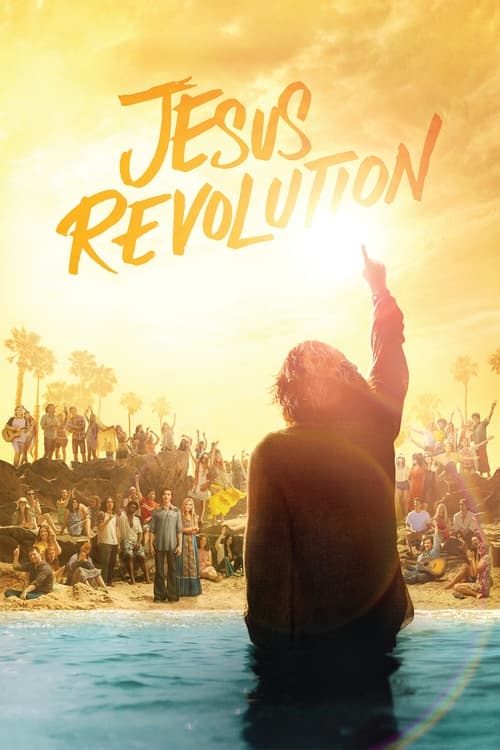
Jesus Revolution
In the 1970s, aimless teenager Greg Laurie searches for all the right things in all the wrong places until he meets Lonnie Frisbee, a charismatic hippie/street preacher. Together with local pastor Chuck Smith, they open the doors of a languishing church to an unexpected revival.
Despite a mid-range budget of $15.0M, Jesus Revolution became a commercial success, earning $52.3M worldwide—a 249% return.
1 win & 2 nominations


Plot Structure
Story beats plotted across runtime


Narrative Arc
Emotional journey through the story's key moments
Story Circle
Blueprint 15-beat structure
Arcplot Score Breakdown
Weighted: Precision (70%) + Arc (15%) + Theme (15%)
Jesus Revolution (2023) showcases deliberately positioned dramatic framework, characteristic of Brent McCorkle's storytelling approach. This structural analysis examines how the film's 15-point plot structure maps to proven narrative frameworks across 2 hours. With an Arcplot score of 6.6, the film balances conventional beats with creative variation.
Characters
Cast & narrative archetypes

Greg Laurie
Chuck Smith
Lonnie Frisbee
Cathe
Kay Smith
Janette
Main Cast & Characters
Greg Laurie
Played by Joel Courtney
Young hippie searching for meaning who becomes a key figure in the Jesus movement. Transforms from aimless seeker to passionate evangelist.
Chuck Smith
Played by Kelsey Grammer
Traditional pastor who opens his church to hippies despite congregation resistance. Bridge between establishment Christianity and counterculture youth.
Lonnie Frisbee
Played by Jonathan Roumie
Charismatic street preacher and evangelist who sparks the Jesus movement. Passionate, unconventional, and spiritually gifted but struggles with boundaries.
Cathe
Played by Anna Grace Barlow
Greg's love interest and eventual wife. Grounded, sincere young woman navigating faith and relationships during the movement.
Kay Smith
Played by Ally Ioannides
Chuck's supportive wife who encourages him to embrace the hippies. Compassionate bridge-builder with quiet strength.
Janette
Played by Kimberly Williams-Paisley
Greg's troubled mother struggling with multiple marriages and alcohol. Represents brokenness that drives Greg's search for meaning.
Structural Analysis
The Status Quo at 1 minutes (1% through the runtime) establishes Greg Laurie narrates his teenage life in 1970s Southern California, showing his loneliness and disconnection in a broken home while his mother parties. He feels lost and searching for meaning in a fractured world.. The analysis reveals that this early placement immediately immerses viewers in the story world.
The inciting incident occurs at 15 minutes when Lonnie Frisbee arrives at Calvary Chapel after his commune dissolved. His unconventional appearance and radical faith challenge Chuck's traditional ministry approach, forcing Chuck to reconsider who deserves God's love and how church should operate.. At 13% through the film, this Disruption is delayed, allowing extended setup of the story world. This beat shifts the emotional landscape, launching the protagonist into the central conflict.
The First Threshold at 30 minutes marks the transition into Act II, occurring at 25% of the runtime. This shows the protagonist's commitment to Chuck makes the active choice to open Calvary Chapel's doors to the hippies, inviting Lonnie to preach and baptizing young people in the ocean. This irreversible decision launches the Jesus Movement and transforms his ministry completely., moving from reaction to action.
At 60 minutes, the Midpoint arrives at 50% of the runtime—precisely centered, creating perfect narrative symmetry. Notably, this crucial beat Time magazine features the Jesus Movement on its cover, declaring it a national phenomenon. This false victory moment represents the peak of external success, but also raises the stakes as fame brings new pressures, ego conflicts, and challenges to the movement's authenticity., fundamentally raising what's at risk. The emotional intensity shifts, dividing the narrative into clear before-and-after phases.
The Collapse moment at 91 minutes (76% through) represents the emotional nadir. Here, Chuck and Lonnie's relationship collapses in a devastating confrontation about pride and control. Lonnie leaves Calvary Chapel, and the unified vision of the Jesus Movement dies. The "whiff of death" as the movement's original spirit and partnership disintegrates., illustrates the protagonist at their lowest point. This beat's placement in the final quarter sets up the climactic reversal.
The Second Threshold at 97 minutes initiates the final act resolution at 81% of the runtime. Greg realizes that the Jesus Movement was never about one person or personality—it's about the message and transformed lives. He accepts his calling to preach, synthesizing Lonnie's passion with Chuck's teaching, understanding that the movement must evolve beyond its founders., demonstrating the transformation achieved throughout the journey.
Emotional Journey
Jesus Revolution's emotional architecture traces a deliberate progression across 15 carefully calibrated beats.
Narrative Framework
This structural analysis employs systematic plot point analysis that identifies crucial turning points. By mapping Jesus Revolution against these established plot points, we can identify how Brent McCorkle utilizes or subverts traditional narrative conventions. The plot point approach reveals not only adherence to structural principles but also creative choices that distinguish Jesus Revolution within the drama genre.
Comparative Analysis
Additional drama films include After Thomas, South Pacific and Dirty Dancing: Havana Nights.
Plot Points by Act
Act I
SetupStatus Quo
Greg Laurie narrates his teenage life in 1970s Southern California, showing his loneliness and disconnection in a broken home while his mother parties. He feels lost and searching for meaning in a fractured world.
Theme
Pastor Chuck Smith's daughter Janette tells him, "What if God is doing something new?" when discussing the hippie movement. This establishes the central theme: being open to transformation and God working in unexpected ways.
Worldbuilding
Introduction to three parallel worlds: Greg's aimless teenage life in Orange County, Pastor Chuck's struggling traditional church with dwindling attendance, and Lonnie Frisbee's hippie commune searching for spiritual truth. Each character represents a different facet of early 1970s spiritual hunger.
Disruption
Lonnie Frisbee arrives at Calvary Chapel after his commune dissolved. His unconventional appearance and radical faith challenge Chuck's traditional ministry approach, forcing Chuck to reconsider who deserves God's love and how church should operate.
Resistance
Chuck debates whether to embrace Lonnie's radical approach and welcome hippies into his church. His traditional congregation resists. Chuck struggles with his doubts, fears of losing control, and concerns about his reputation while Janette encourages openness.
Act II
ConfrontationFirst Threshold
Chuck makes the active choice to open Calvary Chapel's doors to the hippies, inviting Lonnie to preach and baptizing young people in the ocean. This irreversible decision launches the Jesus Movement and transforms his ministry completely.
Mirror World
Greg encounters Cathe at a gathering and is drawn to her genuine faith and peace. This relationship subplot will teach Greg about authentic love, faith, and community, mirroring the film's theme of transformation through genuine connection.
Premise
The Jesus Movement explodes. Calvary Chapel overflows with young converts, beach baptisms draw thousands, and Greg transforms from cynical teen to passionate believer. The "fun and games" of revival: packed services, communal living, street witnessing, and youth discovering faith and purpose.
Midpoint
Time magazine features the Jesus Movement on its cover, declaring it a national phenomenon. This false victory moment represents the peak of external success, but also raises the stakes as fame brings new pressures, ego conflicts, and challenges to the movement's authenticity.
Opposition
Tensions escalate as Lonnie's ego grows with fame, creating conflict with Chuck over leadership and methods. Greg struggles with his calling to preach versus his insecurities. The movement faces opposition from establishment churches and internal divisions threaten to tear the revival apart.
Collapse
Chuck and Lonnie's relationship collapses in a devastating confrontation about pride and control. Lonnie leaves Calvary Chapel, and the unified vision of the Jesus Movement dies. The "whiff of death" as the movement's original spirit and partnership disintegrates.
Crisis
Chuck grieves the loss of Lonnie and questions whether pride destroyed something beautiful. Greg faces his fears about stepping into leadership. Both men sit in darkness, processing failure and wondering if the movement can continue without its charismatic catalyst.
Act III
ResolutionSecond Threshold
Greg realizes that the Jesus Movement was never about one person or personality—it's about the message and transformed lives. He accepts his calling to preach, synthesizing Lonnie's passion with Chuck's teaching, understanding that the movement must evolve beyond its founders.
Synthesis
Greg steps into his role as a pastor and evangelist, launching Harvest Crusades. Chuck continues teaching at Calvary Chapel with renewed humility. The movement spreads beyond any single church or leader, with thousands of churches planted and millions of lives changed across America.
Transformation
Closing image shows the adult Greg Laurie preaching to tens of thousands at Harvest Crusade. The lonely, searching teenager from the opening has become a confident pastor carrying forward the Jesus Movement's legacy, transformed by the very revolution he once observed from the outside.