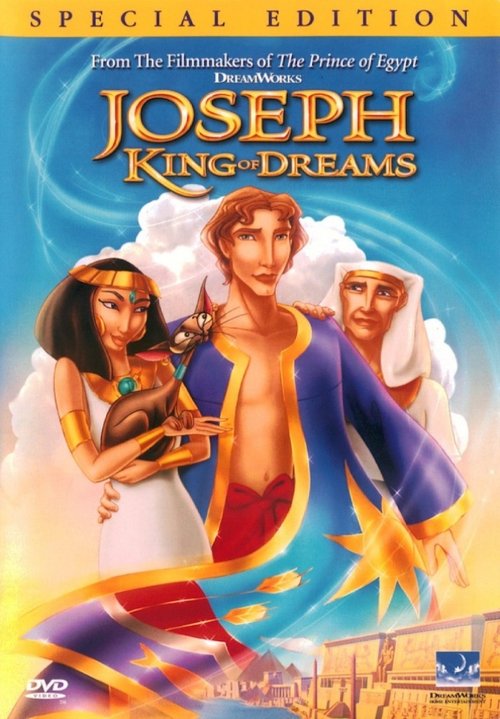
Joseph: King of Dreams
In this animated retelling of the story from the Bible's Book of Genesis, Joseph's gift of dream interpretation and his brilliantly colored coat inspires jealousy in his brothers.


Plot Structure
Story beats plotted across runtime


Narrative Arc
Emotional journey through the story's key moments
Story Circle
Blueprint 15-beat structure
Arcplot Score Breakdown
Weighted: Precision (70%) + Arc (15%) + Theme (15%)
Joseph: King of Dreams (2002) showcases meticulously timed plot construction, characteristic of Rob LaDuca's storytelling approach. This structural analysis examines how the film's 15-point plot structure maps to proven narrative frameworks across 1 hour and 14 minutes. With an Arcplot score of 6.5, the film balances conventional beats with creative variation.
Structural Analysis
The Status Quo at 1 minutes (1% through the runtime) establishes Young Joseph tends sheep with his brothers in Canaan, beloved by his father Jacob but resented by his siblings for his arrogance and special treatment (the coat of many colors).. Structural examination shows that this early placement immediately immerses viewers in the story world.
The inciting incident occurs at 8 minutes when Joseph's brothers attack him and sell him into slavery to passing Midianite traders. His coat is dipped in blood to fake his death. Joseph's privileged life is violently destroyed.. At 11% through the film, this Disruption aligns precisely with traditional story structure. This beat shifts the emotional landscape, launching the protagonist into the central conflict.
The First Threshold at 17 minutes marks the transition into Act II, occurring at 23% of the runtime. This reveals the protagonist's commitment to Joseph chooses to serve faithfully in Potiphar's house rather than wallow in bitterness. He actively embraces his new role, rising through the ranks to become chief steward, demonstrating responsibility and integrity., moving from reaction to action.
At 32 minutes, the Midpoint arrives at 44% of the runtime—arriving early, accelerating into Act IIb complications. Structural examination shows that this crucial beat False defeat: Potiphar's wife falsely accuses Joseph of assault after he rejects her advances. Joseph is thrown into prison, losing everything he rebuilt. The stakes raise dramatically—will his gifts be wasted in a dungeon?., fundamentally raising what's at risk. The emotional intensity shifts, dividing the narrative into clear before-and-after phases.
The Collapse moment at 52 minutes (70% through) represents the emotional nadir. Here, Joseph reaches his lowest point after years forgotten in prison. He nearly abandons hope entirely, believing his gifts are cursed and his dreams were lies. This is his spiritual death—the death of his faith in divine purpose., shows the protagonist at their lowest point. This beat's placement in the final quarter sets up the climactic reversal.
The Second Threshold at 56 minutes initiates the final act resolution at 75% of the runtime. Pharaoh summons Joseph to interpret his dreams of seven fat and lean cows. Joseph receives divine insight, interpreting the dreams as seven years of plenty followed by famine. He synthesizes his gifts with newfound humility, giving glory to God rather than himself., demonstrating the transformation achieved throughout the journey.
Emotional Journey
Joseph: King of Dreams's emotional architecture traces a deliberate progression across 15 carefully calibrated beats.
Narrative Framework
This structural analysis employs proven narrative structure principles that track dramatic progression. By mapping Joseph: King of Dreams against these established plot points, we can identify how Rob LaDuca utilizes or subverts traditional narrative conventions. The plot point approach reveals not only adherence to structural principles but also creative choices that distinguish Joseph: King of Dreams within the family genre.
Comparative Analysis
Additional family films include The Black Stallion, The Bad Guys and Ella Enchanted.
Plot Points by Act
Act I
SetupStatus Quo
Young Joseph tends sheep with his brothers in Canaan, beloved by his father Jacob but resented by his siblings for his arrogance and special treatment (the coat of many colors).
Theme
Jacob tells Joseph: "Your dreams are a gift from God, but they can also be a burden." This establishes the central thematic question: Will Joseph use his gifts for self-glorification or divine purpose?
Worldbuilding
Establishment of Joseph's family dynamics, his prophetic dreams, his brothers' jealousy, and the tense relationship with Judah. Joseph boasts about dreams showing his family bowing to him.
Disruption
Joseph's brothers attack him and sell him into slavery to passing Midianite traders. His coat is dipped in blood to fake his death. Joseph's privileged life is violently destroyed.
Resistance
Joseph's journey to Egypt as a slave, wrestling with despair and anger. He is purchased by Potiphar and must adapt to servitude, learning humility while maintaining hope in his dreams.
Act II
ConfrontationFirst Threshold
Joseph chooses to serve faithfully in Potiphar's house rather than wallow in bitterness. He actively embraces his new role, rising through the ranks to become chief steward, demonstrating responsibility and integrity.
Mirror World
Asenath, the palace servant girl, befriends Joseph. She represents innocence, faith, and acceptance—teaching Joseph that worth comes from character, not status. Their relationship carries the theme of humility and genuine connection.
Premise
Joseph thrives in Potiphar's household, experiencing success and favor. The "promise of the premise"—Joseph's gift for dream interpretation—is explored as he proves himself capable and wise in Egypt.
Midpoint
False defeat: Potiphar's wife falsely accuses Joseph of assault after he rejects her advances. Joseph is thrown into prison, losing everything he rebuilt. The stakes raise dramatically—will his gifts be wasted in a dungeon?
Opposition
Joseph languishes in prison for years, interpreting dreams for fellow prisoners (butler and baker). His interpretations prove true, but the butler forgets him. Joseph battles despair and questions whether his dreams meant anything.
Collapse
Joseph reaches his lowest point after years forgotten in prison. He nearly abandons hope entirely, believing his gifts are cursed and his dreams were lies. This is his spiritual death—the death of his faith in divine purpose.
Crisis
Joseph processes his suffering in the darkness, moving from despair toward surrender. He stops fighting for recognition and begins accepting that his path may serve a purpose beyond his understanding.
Act III
ResolutionSecond Threshold
Pharaoh summons Joseph to interpret his dreams of seven fat and lean cows. Joseph receives divine insight, interpreting the dreams as seven years of plenty followed by famine. He synthesizes his gifts with newfound humility, giving glory to God rather than himself.
Synthesis
Joseph becomes Pharaoh's vizier, manages Egypt's resources, marries Asenath, and prepares for famine. When his brothers arrive seeking grain, Joseph tests them, ultimately revealing himself and forgiving them, breaking the cycle of hatred. The family reunites.
Transformation
Joseph embraces his father Jacob in Egypt, his family bowing before him as his childhood dreams foretold—but now Joseph understands the dream's true meaning: not personal glory, but salvation for his people. The arrogant boy has become a humble, forgiving leader.