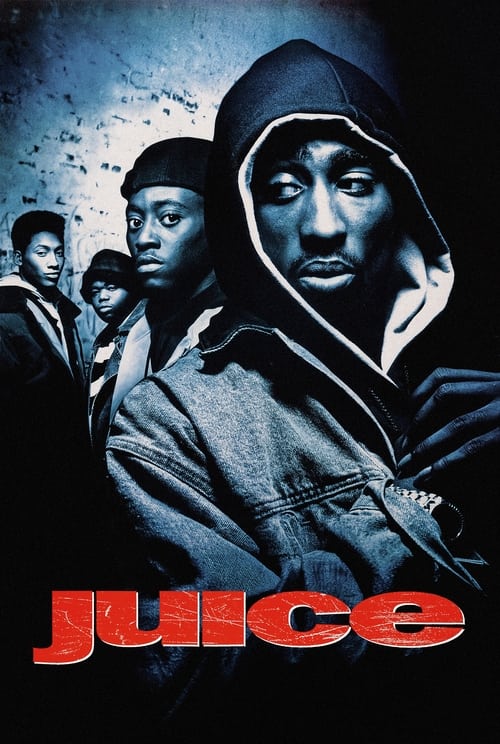
Juice
Four Harlem friends -- Bishop, Q, Steel and Raheem -- dabble in petty crime, but they decide to go big by knocking off a convenience store. Bishop, the magnetic leader of the group, has the gun. But Q has different aspirations. He wants to be a DJ and happens to have a gig the night of the robbery. Unfortunately for him, Bishop isn't willing to take no for answer in a game where everything's for keeps.
Despite its tight budget of $5.0M, Juice became a financial success, earning $20.1M worldwide—a 303% return. The film's unconventional structure resonated with audiences, demonstrating that strong storytelling can transcend budget limitations.


Plot Structure
Story beats plotted across runtime


Narrative Arc
Emotional journey through the story's key moments
Story Circle
Blueprint 15-beat structure
Arcplot Score Breakdown
Weighted: Precision (70%) + Arc (15%) + Theme (15%)
Juice (1992) demonstrates strategically placed plot construction, characteristic of Ernest R. Dickerson's storytelling approach. This structural analysis examines how the film's 15-point plot structure maps to proven narrative frameworks across 1 hour and 36 minutes. With an Arcplot score of 7.2, the film balances conventional beats with creative variation.
Structural Analysis
The Status Quo at 1 minutes (1% through the runtime) establishes The four friends - Q, Bishop, Steel, and Raheem - hang out in their Harlem neighborhood, cutting school and living their daily routine. Q is established as the moral center with DJ aspirations.. Significantly, this early placement immediately immerses viewers in the story world.
The inciting incident occurs at 13 minutes when Bishop proposes they rob the corner store owned by Quiles. The suggestion disrupts the group dynamic and plants the seed that will change everything.. At 13% through the film, this Disruption is delayed, allowing extended setup of the story world. This beat shifts the emotional landscape, launching the protagonist into the central conflict.
The First Threshold at 25 minutes marks the transition into Act II, occurring at 26% of the runtime. This indicates the protagonist's commitment to The four friends agree to go through with the robbery. They actively choose to cross the line from talk to action, entering the criminal world., moving from reaction to action.
At 47 minutes, the Midpoint arrives at 49% of the runtime—precisely centered, creating perfect narrative symmetry. Notably, this crucial beat During the robbery, Bishop shoots and kills the store owner Quiles. What was supposed to be a simple robbery becomes murder. The stakes escalate dramatically and there's no going back., fundamentally raising what's at risk. The emotional intensity shifts, dividing the narrative into clear before-and-after phases.
The Collapse moment at 71 minutes (74% through) represents the emotional nadir. Here, Bishop murders Raheem on the rooftop to prevent him from going to the police. The whiff of death is literal - a friend is killed by a friend. Q witnesses the aftermath and realizes Bishop must be stopped., shows the protagonist at their lowest point. This beat's placement in the final quarter sets up the climactic reversal.
The Second Threshold at 76 minutes initiates the final act resolution at 79% of the runtime. Q decides to confront Bishop directly. He realizes that real "juice" isn't about violence and fear, but about standing up for what's right. He chooses moral courage over self-preservation., demonstrating the transformation achieved throughout the journey.
Emotional Journey
Juice's emotional architecture traces a deliberate progression across 15 carefully calibrated beats.
Narrative Framework
This structural analysis employs structural analysis methodology used to understand storytelling architecture. By mapping Juice against these established plot points, we can identify how Ernest R. Dickerson utilizes or subverts traditional narrative conventions. The plot point approach reveals not only adherence to structural principles but also creative choices that distinguish Juice within the crime genre.
Ernest R. Dickerson's Structural Approach
Among the 6 Ernest R. Dickerson films analyzed on Arcplot, the average structural score is 7.3, reflecting strong command of classical structure. Juice takes a more unconventional approach compared to the director's typical style. For comparative analysis, explore the complete Ernest R. Dickerson filmography.
Comparative Analysis
Additional crime films include The Bad Guys, Rustom and The Whole Ten Yards. For more Ernest R. Dickerson analyses, see Tales from the Crypt: Demon Knight, Surviving the Game and Never Die Alone.
Plot Points by Act
Act I
SetupStatus Quo
The four friends - Q, Bishop, Steel, and Raheem - hang out in their Harlem neighborhood, cutting school and living their daily routine. Q is established as the moral center with DJ aspirations.
Theme
Bishop discusses the concept of having "juice" - respect and power on the streets. The question is posed: how do you get respect and what are you willing to do for it?
Worldbuilding
Establishment of the four friends' world: their neighborhood dynamics, Q's DJ dreams, Raheem's girlfriend Ruffhouse, Steel's family responsibilities, and Bishop's growing frustration with powerlessness. Introduction of local gangster Radames as someone who has "juice."
Disruption
Bishop proposes they rob the corner store owned by Quiles. The suggestion disrupts the group dynamic and plants the seed that will change everything.
Resistance
The crew debates the robbery plan. Q is hesitant, focused on his DJ competition. Raheem has responsibilities to his girlfriend. Steel worries about his family. Bishop becomes increasingly insistent, revealing his desperation for respect and power.
Act II
ConfrontationFirst Threshold
The four friends agree to go through with the robbery. They actively choose to cross the line from talk to action, entering the criminal world.
Mirror World
Q's relationship with his music mentor and the DJ competition represents the legitimate path to respect and success - the thematic counterpoint to Bishop's violent pursuit of "juice."
Premise
The crew prepares for and executes the robbery. Initial rush of power and success. They get guns, scope the store, and plan their move. The heist itself unfolds with tension building.
Midpoint
During the robbery, Bishop shoots and kills the store owner Quiles. What was supposed to be a simple robbery becomes murder. The stakes escalate dramatically and there's no going back.
Opposition
The group fractures under the weight of the murder. Bishop becomes increasingly paranoid and violent, drunk on his newfound "juice." Raheem wants to confess. Q tries to hold things together. Steel is terrified. Police investigation intensifies. Bishop's darkness grows.
Collapse
Bishop murders Raheem on the rooftop to prevent him from going to the police. The whiff of death is literal - a friend is killed by a friend. Q witnesses the aftermath and realizes Bishop must be stopped.
Crisis
Q processes the horror of Raheem's death and Bishop's complete transformation into a monster. He grapples with fear, guilt, and the realization that he must take action. Steel is also traumatized and in hiding.
Act III
ResolutionSecond Threshold
Q decides to confront Bishop directly. He realizes that real "juice" isn't about violence and fear, but about standing up for what's right. He chooses moral courage over self-preservation.
Synthesis
The final confrontation between Q and Bishop. Chase through the neighborhood culminating on the rooftop. Bishop, consumed by paranoia and violence, ultimately falls to his death. Police arrive. Q survives but must face the consequences.
Transformation
Q is led away by police, having survived but forever changed. He chose the moral path but lost his friends and innocence. The closing images show the emptiness of the violence - Bishop's pursuit of "juice" led only to death and destruction.