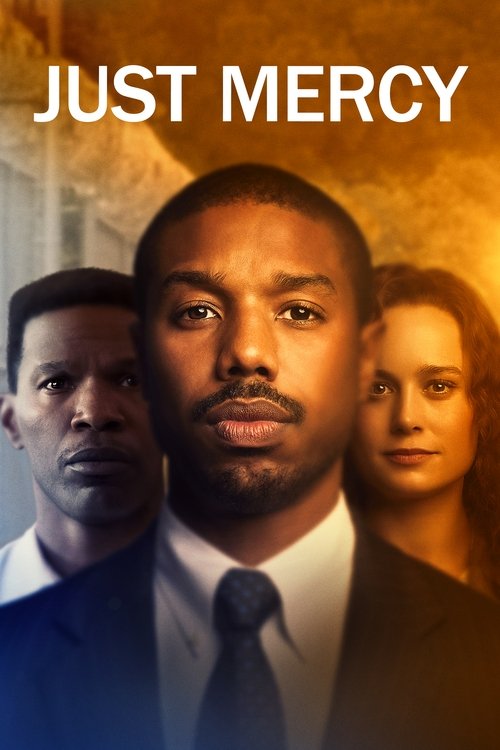
Just Mercy
The powerful true story of Harvard-educated lawyer Bryan Stevenson, who goes to Alabama to defend the disenfranchised and wrongly condemned — including Walter McMillian, a man sentenced to death despite evidence proving his innocence. Bryan fights tirelessly for Walter with the system stacked against them.
Despite a mid-range budget of $25.0M, Just Mercy became a financial success, earning $50.4M worldwide—a 102% return.
9 wins & 19 nominations


Plot Structure
Story beats plotted across runtime


Narrative Arc
Emotional journey through the story's key moments
Story Circle
Blueprint 15-beat structure
Arcplot Score Breakdown
Weighted: Precision (70%) + Arc (15%) + Theme (15%)
Just Mercy (2019) exemplifies carefully calibrated dramatic framework, characteristic of Destin Daniel Cretton's storytelling approach. This structural analysis examines how the film's 15-point plot structure maps to proven narrative frameworks across 2 hours and 17 minutes. With an Arcplot score of 6.5, the film balances conventional beats with creative variation.
Characters
Cast & narrative archetypes

Bryan Stevenson
Walter McMillian
Eva Ansley
Herbert Richardson
Ralph Myers
Tommy Chapman
Minnie McMillian
Main Cast & Characters
Bryan Stevenson
Played by Michael B. Jordan
Harvard-educated civil rights attorney who founded the Equal Justice Initiative to defend wrongly condemned death row inmates in Alabama.
Walter McMillian
Played by Jamie Foxx
A Black man wrongly convicted and sentenced to death for the murder of a white woman, maintaining his innocence despite systemic injustice.
Eva Ansley
Played by Brie Larson
Co-founder of the Equal Justice Initiative who helps establish the Alabama office and supports Bryan's mission.
Herbert Richardson
Played by Rob Morgan
A Vietnam War veteran on death row suffering from PTSD, facing execution for a tragic accidental bombing.
Ralph Myers
Played by Tim Blake Nelson
A career criminal coerced by law enforcement into providing false testimony against Walter McMillian.
Tommy Chapman
Played by Rafe Spall
The district attorney who prosecuted Walter McMillian and initially resists reopening the case despite evidence.
Minnie McMillian
Played by Karan Kendrick
Walter's devoted wife who stands by him throughout his wrongful imprisonment and fights for his freedom.
Structural Analysis
The Status Quo at 2 minutes (1% through the runtime) establishes Bryan Stevenson as a young Harvard law student, idealistic and determined, interviewing a death row inmate. Establishes his commitment to justice and his privileged position before confronting systemic injustice.. Of particular interest, this early placement immediately immerses viewers in the story world.
The inciting incident occurs at 17 minutes when Bryan learns the full extent of Walter McMillian's case: convicted of murdering Ronda Morrison on obviously fabricated testimony, placed on death row before trial, with exculpatory evidence ignored. The injustice is so egregious it demands action.. At 13% through the film, this Disruption is delayed, allowing extended setup of the story world. This beat shifts the emotional landscape, launching the protagonist into the central conflict.
The First Threshold at 34 minutes marks the transition into Act II, occurring at 25% of the runtime. This demonstrates the protagonist's commitment to Bryan commits fully to taking Walter's case to appeal, despite death threats and institutional opposition. He chooses to fight the system head-on, moving from investigation to active legal battle. This is his irreversible entry into the fight., moving from reaction to action.
At 69 minutes, the Midpoint arrives at 50% of the runtime—precisely centered, creating perfect narrative symmetry. Of particular interest, this crucial beat False defeat: The appeal is denied despite overwhelming evidence of Walter's innocence. The judge refuses to overturn the conviction. Bryan realizes the legal system itself is designed to protect its own errors, not deliver justice. The stakes become existential—they're fighting the system itself., fundamentally raising what's at risk. The emotional intensity shifts, dividing the narrative into clear before-and-after phases.
The Collapse moment at 103 minutes (75% through) represents the emotional nadir. Here, Herbert Richardson's execution devastates Bryan. He witnesses the state-sanctioned killing of a man he couldn't save. The "whiff of death" is literal. Bryan breaks down, questioning whether his work matters if the system can still kill innocent people. His hope dies., indicates the protagonist at their lowest point. This beat's placement in the final quarter sets up the climactic reversal.
The Second Threshold at 110 minutes initiates the final act resolution at 80% of the runtime. Ralph Myers recants his testimony, finally telling the truth that he was coerced. This breakthrough, combined with Bryan's renewed determination from witnessing Herbert's humanity until the end, gives him the ammunition and moral clarity for the final push. Truth and dignity converge., demonstrating the transformation achieved throughout the journey.
Emotional Journey
Just Mercy's emotional architecture traces a deliberate progression across 15 carefully calibrated beats.
Narrative Framework
This structural analysis employs structural analysis methodology used to understand storytelling architecture. By mapping Just Mercy against these established plot points, we can identify how Destin Daniel Cretton utilizes or subverts traditional narrative conventions. The plot point approach reveals not only adherence to structural principles but also creative choices that distinguish Just Mercy within the drama genre.
Destin Daniel Cretton's Structural Approach
Among the 3 Destin Daniel Cretton films analyzed on Arcplot, the average structural score is 6.8, demonstrating varied approaches to story architecture. Just Mercy takes a more unconventional approach compared to the director's typical style. For comparative analysis, explore the complete Destin Daniel Cretton filmography.
Comparative Analysis
Additional drama films include After Thomas, South Pacific and Dirty Dancing: Havana Nights. For more Destin Daniel Cretton analyses, see Shang-Chi and the Legend of the Ten Rings, The Glass Castle.
Plot Points by Act
Act I
SetupStatus Quo
Bryan Stevenson as a young Harvard law student, idealistic and determined, interviewing a death row inmate. Establishes his commitment to justice and his privileged position before confronting systemic injustice.
Theme
Eva Ansley tells Bryan, "Each of us is more than the worst thing we've ever done." This captures the film's central theme about human dignity, redemption, and the justice system's obligation to see people fully.
Worldbuilding
Bryan graduates Harvard Law, turns down lucrative offers to move to Alabama. Eva Ansley joins him. Establishes the Equal Justice Initiative, the Deep South's racial tensions, and the broken criminal justice system. Bryan meets multiple death row inmates including Walter McMillian.
Disruption
Bryan learns the full extent of Walter McMillian's case: convicted of murdering Ronda Morrison on obviously fabricated testimony, placed on death row before trial, with exculpatory evidence ignored. The injustice is so egregious it demands action.
Resistance
Bryan investigates Walter's case, meeting resistance from local authorities. He interviews Walter, witnesses, and discovers Ralph Myers was coerced into false testimony. Eva warns him about the dangers. Bryan debates whether he can actually win against such a corrupt system.
Act II
ConfrontationFirst Threshold
Bryan commits fully to taking Walter's case to appeal, despite death threats and institutional opposition. He chooses to fight the system head-on, moving from investigation to active legal battle. This is his irreversible entry into the fight.
Mirror World
Bryan's deepening relationship with Walter and his family, particularly Walter's wife and community. Walter becomes more than a case—he represents the humanity the system denies. Their bond embodies the theme of seeing people beyond their worst moments.
Premise
The legal battle intensifies. Bryan builds the case, gathering evidence, deposing Ralph Myers, exposing prosecutorial misconduct. He faces racism, threats, and being strip-searched by guards. The "promise of the premise"—a lawyer fighting a corrupt system to free an innocent man.
Midpoint
False defeat: The appeal is denied despite overwhelming evidence of Walter's innocence. The judge refuses to overturn the conviction. Bryan realizes the legal system itself is designed to protect its own errors, not deliver justice. The stakes become existential—they're fighting the system itself.
Opposition
Pressure mounts on all fronts. Another inmate, Herbert Richardson, is executed despite Bryan's efforts. Walter deteriorates on death row. Bryan faces more threats. The community grows fearful. Eva questions if they can continue. The corrupt DA and sheriff actively work against them. Everything gets harder.
Collapse
Herbert Richardson's execution devastates Bryan. He witnesses the state-sanctioned killing of a man he couldn't save. The "whiff of death" is literal. Bryan breaks down, questioning whether his work matters if the system can still kill innocent people. His hope dies.
Crisis
Bryan's dark night of the soul. He sits in his car, emotionally shattered. Processes the loss and the magnitude of systemic evil. Questions whether he can continue this work. The emotional toll of fighting a system designed to crush hope.
Act III
ResolutionSecond Threshold
Ralph Myers recants his testimony, finally telling the truth that he was coerced. This breakthrough, combined with Bryan's renewed determination from witnessing Herbert's humanity until the end, gives him the ammunition and moral clarity for the final push. Truth and dignity converge.
Synthesis
The final hearing. Bryan delivers an impassioned argument about mercy, justice, and human dignity. He synthesizes legal evidence with moral truth, combining his Harvard training with the wisdom learned from Walter and the condemned. The courtroom confrontation brings all forces together. Walter is exonerated and freed.
Transformation
Walter reunites with his family, free at last. Bryan continues his work with renewed purpose, having learned that even in a broken system, fighting for human dignity matters. The closing image shows Bryan's transformation from idealistic student to seasoned warrior for justice who understands both the cost and necessity of the fight.