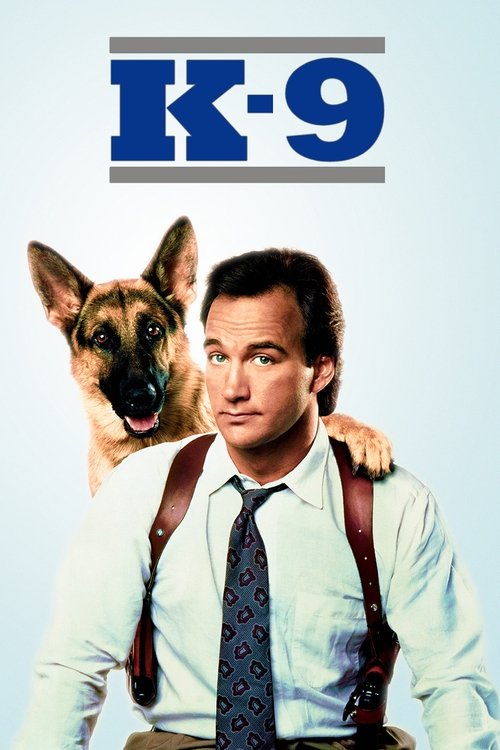
K-9
The extravagant cop Michael Dooley needs some help to fight a drug dealer who has tried to kill him. A "friend" gives him a dog named Jerry Lee (Officer Lewis), who has been trained to smell drugs. With his help, Dooley sets out to put his enemy behind the bars, but Jerry Lee has a personality of his own and works only when he wants to. On the other hand, the dog is quite good at destroying Dooley's car, house and sex-life...
Despite a mid-range budget of $17.0M, K-9 became a solid performer, earning $78.2M worldwide—a 360% return.


Plot Structure
Story beats plotted across runtime


Narrative Arc
Emotional journey through the story's key moments
Story Circle
Blueprint 15-beat structure
Arcplot Score Breakdown
Weighted: Precision (70%) + Arc (15%) + Theme (15%)
K-9 (1989) reveals precise story structure, characteristic of Rod Daniel's storytelling approach. This structural analysis examines how the film's 15-point plot structure maps to proven narrative frameworks across 1 hour and 41 minutes. With an Arcplot score of 7.8, the film showcases strong structural fundamentals.
Characters
Cast & narrative archetypes

Michael Dooley
Jerry Lee
Tracy
Ken Lyman
Captain Byers
Main Cast & Characters
Michael Dooley
Played by James Belushi
A reckless San Diego detective who reluctantly partners with a police dog to take down a drug dealer.
Jerry Lee
Played by Jerry Lee (Dog)
A German Shepherd police dog with a strong personality who becomes Dooley's partner and gradually earns his respect.
Tracy
Played by Mel Harris
Dooley's girlfriend who works with animals and helps him understand and connect with Jerry Lee.
Ken Lyman
Played by Kevin Tighe
A sophisticated drug dealer and the main antagonist who Dooley is determined to bring to justice.
Captain Byers
Played by Ed O'Neill
Dooley's frustrated police captain who assigns him to work with the K-9 unit.
Structural Analysis
The Status Quo at 1 minutes (1% through the runtime) establishes Detective Michael Dooley conducts a solo stakeout on drug dealer Ken Lyman, showing he's a lone wolf cop who works alone and doesn't play well with others.. Notably, this early placement immediately immerses viewers in the story world.
The inciting incident occurs at 11 minutes when Lyman's men firebomb Dooley's car in retaliation, destroying his prized possession and making the case personal. The rules of engagement have escalated.. At 11% through the film, this Disruption aligns precisely with traditional story structure. This beat shifts the emotional landscape, launching the protagonist into the central conflict.
The First Threshold at 24 minutes marks the transition into Act II, occurring at 24% of the runtime. This illustrates the protagonist's commitment to Dooley makes the active choice to take Jerry Lee as his partner, committing to the partnership despite his reservations. He signs the papers and takes the dog home., moving from reaction to action.
At 50 minutes, the Midpoint arrives at 49% of the runtime—precisely centered, creating perfect narrative symmetry. Significantly, this crucial beat Jerry Lee tracks down a major lead at a warehouse, helping Dooley discover key evidence against Lyman. False victory: Dooley thinks they're finally working together and close to catching Lyman, but this success will make Lyman more dangerous., fundamentally raising what's at risk. The emotional intensity shifts, dividing the narrative into clear before-and-after phases.
The Collapse moment at 74 minutes (74% through) represents the emotional nadir. Here, Jerry Lee is shot and nearly killed during a confrontation with Lyman's men. Dooley rushes him to the vet where the dog's life hangs in the balance. Whiff of death: Dooley faces losing his partner just as he's learned to value him., illustrates the protagonist at their lowest point. This beat's placement in the final quarter sets up the climactic reversal.
The Second Threshold at 81 minutes initiates the final act resolution at 80% of the runtime. Jerry Lee survives surgery. Dooley gets the information needed to finally trap Lyman. Now a true team, Dooley and Jerry Lee are ready for the final confrontation as equals and partners., demonstrating the transformation achieved throughout the journey.
Emotional Journey
K-9's emotional architecture traces a deliberate progression across 15 carefully calibrated beats.
Narrative Framework
This structural analysis employs structural analysis methodology used to understand storytelling architecture. By mapping K-9 against these established plot points, we can identify how Rod Daniel utilizes or subverts traditional narrative conventions. The plot point approach reveals not only adherence to structural principles but also creative choices that distinguish K-9 within the action genre.
Rod Daniel's Structural Approach
Among the 5 Rod Daniel films analyzed on Arcplot, the average structural score is 7.2, reflecting strong command of classical structure. K-9 represents one of the director's most structurally precise works. For comparative analysis, explore the complete Rod Daniel filmography.
Comparative Analysis
Additional action films include The Bad Guys, Puss in Boots and Venom: The Last Dance. For more Rod Daniel analyses, see Teen Wolf, Beethoven's 2nd and Home Alone 4.
Plot Points by Act
Act I
SetupStatus Quo
Detective Michael Dooley conducts a solo stakeout on drug dealer Ken Lyman, showing he's a lone wolf cop who works alone and doesn't play well with others.
Theme
Dooley's captain tells him he needs to learn to work with a partner and trust others, establishing the theme of partnership and cooperation.
Worldbuilding
Dooley's reckless solo operation gets botched. We meet his girlfriend Tracy who wants commitment. His obsession with catching Lyman has destroyed evidence and his credibility. The department and his personal life are both demanding he change his ways.
Disruption
Lyman's men firebomb Dooley's car in retaliation, destroying his prized possession and making the case personal. The rules of engagement have escalated.
Resistance
Dooley resists the idea of a partner but his captain insists. He visits the K-9 unit and reluctantly considers getting a police dog. He meets Jerry Lee, an unruly German Shepherd, and debates whether he can work with such an undisciplined animal.
Act II
ConfrontationFirst Threshold
Dooley makes the active choice to take Jerry Lee as his partner, committing to the partnership despite his reservations. He signs the papers and takes the dog home.
Mirror World
Jerry Lee immediately creates chaos in Dooley's apartment and disrupts his relationship with Tracy, showing Dooley what it means to have a partner he can't control. The dog represents everything Dooley needs to learn about cooperation.
Premise
The "buddy cop with a dog" premise plays out: Jerry Lee destroys Dooley's life and apartment, ruins romantic moments, causes public embarrassment, but also shows flashes of brilliant police work. Dooley struggles to train and control his partner while pursuing leads on Lyman.
Midpoint
Jerry Lee tracks down a major lead at a warehouse, helping Dooley discover key evidence against Lyman. False victory: Dooley thinks they're finally working together and close to catching Lyman, but this success will make Lyman more dangerous.
Opposition
Lyman realizes Dooley is getting close and becomes more aggressive. Tracy grows frustrated with the chaos Jerry Lee brings. Dooley's partnership with Jerry Lee is tested as the dog's unpredictability continues to cause problems. The stakes escalate as Lyman's organization closes in.
Collapse
Jerry Lee is shot and nearly killed during a confrontation with Lyman's men. Dooley rushes him to the vet where the dog's life hangs in the balance. Whiff of death: Dooley faces losing his partner just as he's learned to value him.
Crisis
Dooley waits at the vet, processing the realization that he's come to love and depend on Jerry Lee. He understands that partnership and trust are not weaknesses but strengths. Tracy stands by him, showing she understands his commitment.
Act III
ResolutionSecond Threshold
Jerry Lee survives surgery. Dooley gets the information needed to finally trap Lyman. Now a true team, Dooley and Jerry Lee are ready for the final confrontation as equals and partners.
Synthesis
Dooley and Jerry Lee execute a plan to catch Lyman in the act of a drug deal. Working together seamlessly, they outmaneuver Lyman and his crew. Final showdown at a warehouse where Dooley trusts Jerry Lee completely, and together they take down the bad guys.
Transformation
Dooley, Jerry Lee, and Tracy together as a family unit. The lone wolf cop is now part of a pack, having learned that partnership and trust make him stronger. Jerry Lee sits contentedly between them, the bridge that brought them together.