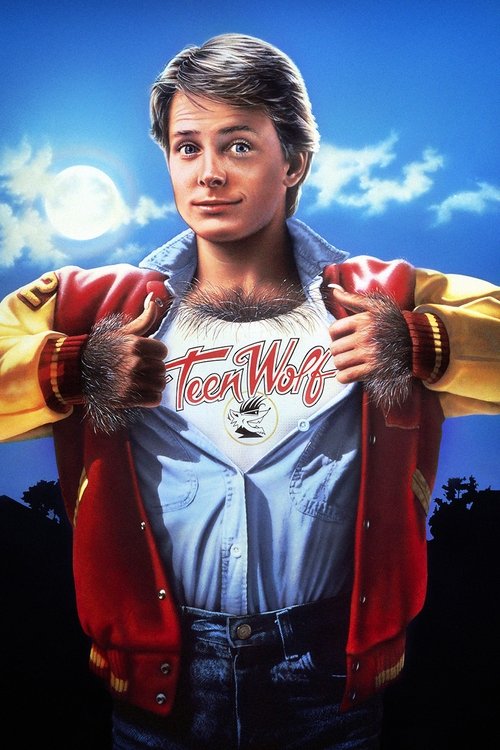
Teen Wolf
When a shy teenager's new-found powers help him score at basketball - and with the popular girls - he has some pretty hairy decisions to make.
Despite its limited budget of $1.2M, Teen Wolf became a massive hit, earning $80.0M worldwide—a remarkable 6567% return. The film's innovative storytelling connected with viewers, proving that strong storytelling can transcend budget limitations.


Plot Structure
Story beats plotted across runtime


Narrative Arc
Emotional journey through the story's key moments
Story Circle
Blueprint 15-beat structure
Arcplot Score Breakdown
Weighted: Precision (70%) + Arc (15%) + Theme (15%)
Teen Wolf (1985) showcases strategically placed narrative architecture, characteristic of Rod Daniel's storytelling approach. This structural analysis examines how the film's 15-point plot structure maps to proven narrative frameworks across 1 hour and 32 minutes. With an Arcplot score of 6.7, the film balances conventional beats with creative variation.
Characters
Cast & narrative archetypes

Scott Howard
Boof
Stiles
Pamela Wells
Harold Howard
Mick McAllister
Main Cast & Characters
Scott Howard
Played by Michael J. Fox
An awkward high school student who discovers he's a werewolf and uses his newfound abilities to become popular and excel at basketball.
Boof
Played by Susan Ursitti
Scott's loyal best friend who has been in love with him for years but goes unnoticed while he pursues the popular girl.
Stiles
Played by Jerry Levine
Scott's wisecracking, entrepreneurial best friend who enthusiastically helps him capitalize on his werewolf fame.
Pamela Wells
Played by Lorie Griffin
The popular, superficial girl Scott has a crush on who only becomes interested when he transforms into the Teen Wolf.
Harold Howard
Played by James Hampton
Scott's understanding father who is also a werewolf and tries to guide his son through the family condition.
Mick McAllister
Played by Mark Arnold
The arrogant rival basketball player and Pamela's boyfriend who becomes threatened by Scott's popularity.
Structural Analysis
The Status Quo at 1 minutes (1% through the runtime) establishes Scott Howard is an average high school student struggling on the basketball court and feeling invisible. He's awkward, unsuccessful with girls, and his team is losing badly.. The analysis reveals that this early placement immediately immerses viewers in the story world.
The inciting incident occurs at 12 minutes when Scott begins experiencing strange physical changes: heightened senses, hair growth, aggression. He discovers he's transforming into a werewolf, disrupting his entire understanding of himself.. At 13% through the film, this Disruption is delayed, allowing extended setup of the story world. This beat shifts the emotional landscape, launching the protagonist into the central conflict.
The First Threshold at 23 minutes marks the transition into Act II, occurring at 25% of the runtime. This reveals the protagonist's commitment to Scott chooses to embrace his wolf identity publicly during a basketball game, transforming in front of the entire school. This active choice launches him into a new world of popularity and confidence., moving from reaction to action.
At 46 minutes, the Midpoint arrives at 50% of the runtime—precisely centered, creating perfect narrative symmetry. Notably, this crucial beat False victory turns dark: Scott realizes his wolf persona is taking over his life. Pamela only likes the Wolf, not Scott. His relationships with real friends suffer. The stakes raise—he's losing himself., fundamentally raising what's at risk. The emotional intensity shifts, dividing the narrative into clear before-and-after phases.
The Collapse moment at 69 minutes (75% through) represents the emotional nadir. Here, Scott hits rock bottom when he realizes he's completely lost himself to the Wolf persona. His relationship with Boof is damaged, his team relies on a gimmick rather than skill, and he faces the death of his authentic self., indicates the protagonist at their lowest point. This beat's placement in the final quarter sets up the climactic reversal.
The Second Threshold at 74 minutes initiates the final act resolution at 80% of the runtime. Scott decides to play the championship game as himself, not the Wolf. This synthesis moment combines his natural abilities with newfound confidence—he doesn't need the Wolf to be worthy. Authentic choice launches Act 3., demonstrating the transformation achieved throughout the journey.
Emotional Journey
Teen Wolf's emotional architecture traces a deliberate progression across 15 carefully calibrated beats.
Narrative Framework
This structural analysis employs systematic plot point analysis that identifies crucial turning points. By mapping Teen Wolf against these established plot points, we can identify how Rod Daniel utilizes or subverts traditional narrative conventions. The plot point approach reveals not only adherence to structural principles but also creative choices that distinguish Teen Wolf within the comedy genre.
Rod Daniel's Structural Approach
Among the 5 Rod Daniel films analyzed on Arcplot, the average structural score is 7.2, reflecting strong command of classical structure. Teen Wolf takes a more unconventional approach compared to the director's typical style. For comparative analysis, explore the complete Rod Daniel filmography.
Comparative Analysis
Additional comedy films include The Bad Guys, Ella Enchanted and The Evening Star. For more Rod Daniel analyses, see K-9, Beethoven's 2nd and Home Alone 4.
Plot Points by Act
Act I
SetupStatus Quo
Scott Howard is an average high school student struggling on the basketball court and feeling invisible. He's awkward, unsuccessful with girls, and his team is losing badly.
Theme
Scott's father tells him, "You're going to be fine," hinting at the lycanthropy secret. The theme: true identity and acceptance versus popularity and pretending to be someone you're not.
Worldbuilding
Establishing Scott's world: unpopular basketball player, best friend Stiles (comic relief), crush on Pamela (who ignores him), loving but secretive father, struggling team, and small-town high school life.
Disruption
Scott begins experiencing strange physical changes: heightened senses, hair growth, aggression. He discovers he's transforming into a werewolf, disrupting his entire understanding of himself.
Resistance
Scott struggles with his transformation, trying to hide it and understand what's happening. His father reveals the family secret: they're werewolves. Scott debates whether to embrace or suppress this new identity.
Act II
ConfrontationFirst Threshold
Scott chooses to embrace his wolf identity publicly during a basketball game, transforming in front of the entire school. This active choice launches him into a new world of popularity and confidence.
Mirror World
Boof, Scott's longtime friend who genuinely cares about him, represents authentic connection versus superficial popularity. She subtly reveals her feelings, offering the thematic counterpoint to his wolf-fueled fame.
Premise
The fun and games of being the Wolf: Scott becomes a basketball star, wins over Pamela, becomes the most popular kid in school. He surfs on vans, parties, and enjoys celebrity status. The promise of the premise delivers.
Midpoint
False victory turns dark: Scott realizes his wolf persona is taking over his life. Pamela only likes the Wolf, not Scott. His relationships with real friends suffer. The stakes raise—he's losing himself.
Opposition
Scott's reliance on the Wolf backfires: he's pressured to perform, his grades slip, his father warns him, rival teams target him, and his authenticity erodes. Pamela proves shallow. Boof distances herself. Everything gets harder.
Collapse
Scott hits rock bottom when he realizes he's completely lost himself to the Wolf persona. His relationship with Boof is damaged, his team relies on a gimmick rather than skill, and he faces the death of his authentic self.
Crisis
Scott processes his lowest point, reflecting on who he really is versus who he's been pretending to be. The dark night before clarity: he must choose between easy popularity and authentic identity.
Act III
ResolutionSecond Threshold
Scott decides to play the championship game as himself, not the Wolf. This synthesis moment combines his natural abilities with newfound confidence—he doesn't need the Wolf to be worthy. Authentic choice launches Act 3.
Synthesis
The finale: Scott plays the championship game as himself, proving he has value beyond the Wolf. The team works together, he makes the winning shot, and he chooses Boof over Pamela—authenticity over superficiality.
Transformation
Scott, now confident in his true self, celebrates with Boof. The closing image mirrors the opening but shows transformation: he's no longer invisible or insecure—he's accepted for who he really is, not what he can become.