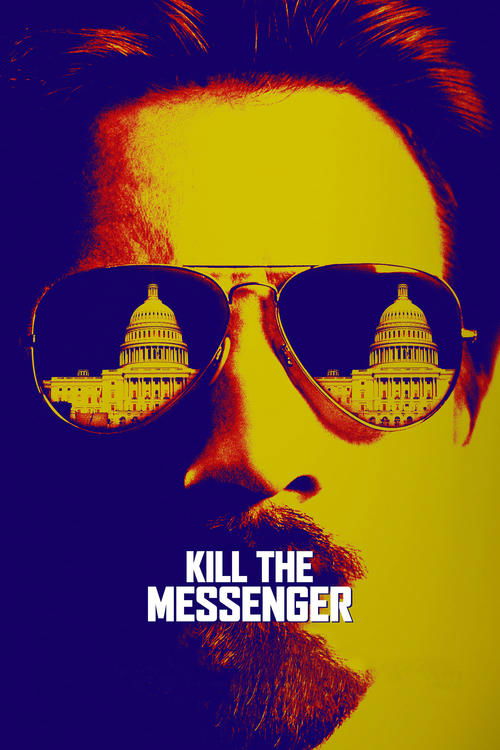
Kill the Messenger
A reporter becomes the target of a vicious smear campaign that drives him to the point of suicide after he exposes the CIA's role in arming Contra rebels in Nicaragua and importing cocaine into California. Based on the true story of journalist Gary Webb.
Working with a tight budget of $5.0M, the film achieved a respectable showing with $5.2M in global revenue (+4% profit margin).
3 wins & 6 nominations


Plot Structure
Story beats plotted across runtime


Narrative Arc
Emotional journey through the story's key moments
Story Circle
Blueprint 15-beat structure
Arcplot Score Breakdown
Weighted: Precision (70%) + Arc (15%) + Theme (15%)
Kill the Messenger (2014) demonstrates meticulously timed narrative architecture, characteristic of Michael Cuesta's storytelling approach. This structural analysis examines how the film's 15-point plot structure maps to proven narrative frameworks across 1 hour and 52 minutes. With an Arcplot score of 7.1, the film balances conventional beats with creative variation.
Characters
Cast & narrative archetypes

Gary Webb
Sue Webb
Anna Simons
Jerry Ceppos
Fred Weil
Rich Kline
Norwin Meneses
Main Cast & Characters
Gary Webb
Played by Jeremy Renner
Investigative journalist who uncovers CIA involvement in cocaine trafficking and faces institutional backlash for exposing the truth.
Sue Webb
Played by Rosemarie DeWitt
Gary's wife who struggles with the consequences of her husband's investigation and its impact on their family.
Anna Simons
Played by Paz Vega
Gary's colleague and romantic interest who supports his investigation despite the risks.
Jerry Ceppos
Played by Oliver Platt
Gary's editor at the San Jose Mercury News who initially supports the story but later buckles under pressure.
Fred Weil
Played by Michael K. Williams
Defense attorney who provides Gary with crucial information about CIA-drug trafficking connections.
Rich Kline
Played by Barry Pepper
Seasoned journalist mentor figure who warns Gary about the dangers of taking on powerful institutions.
Norwin Meneses
Played by Andy Garcia
Nicaraguan drug trafficker whose testimony connects the CIA to cocaine importation.
Structural Analysis
The Status Quo at 2 minutes (2% through the runtime) establishes Gary Webb at his desk at the San Jose Mercury News, a respected investigative journalist working on local stories, established family man with wife Sue and children.. The analysis reveals that this early placement immediately immerses viewers in the story world.
The inciting incident occurs at 12 minutes when Gary receives a mysterious tip from girlfriend of drug dealer Coral Baca about CIA involvement in drug trafficking. She claims her boyfriend's assets were seized using information from a federal agent connected to drug smuggling.. At 11% through the film, this Disruption aligns precisely with traditional story structure. This beat shifts the emotional landscape, launching the protagonist into the central conflict.
The First Threshold at 27 minutes marks the transition into Act II, occurring at 24% of the runtime. This reveals the protagonist's commitment to Gary commits fully to the investigation and convinces editor Jerry Ceppos to run with the story. He makes the active choice to pursue the CIA connection despite the risks, crossing into dangerous territory., moving from reaction to action.
At 56 minutes, the Midpoint arrives at 50% of the runtime—precisely centered, creating perfect narrative symmetry. Of particular interest, this crucial beat False victory turns to false defeat: Major newspapers (NY Times, Washington Post, LA Times) begin attacking Gary's reporting. The CIA pushes back. What seemed like triumph reveals its dangerous consequences - the establishment closes ranks against him., fundamentally raising what's at risk. The emotional intensity shifts, dividing the narrative into clear before-and-after phases.
The Collapse moment at 83 minutes (74% through) represents the emotional nadir. Here, The Mercury News publishes a partial retraction and distances itself from Gary's story. His editor Jerry betrays him. Gary is reassigned to a remote bureau - his career and reputation effectively destroyed. Metaphorical death of his professional identity., reveals the protagonist at their lowest point. This beat's placement in the final quarter sets up the climactic reversal.
The Second Threshold at 89 minutes initiates the final act resolution at 80% of the runtime. Gary realizes that despite losing everything, the core facts of his reporting were true. Congressional and CIA Inspector General reports later vindicate key elements of his story. He understands the cost but accepts he made the right choice., demonstrating the transformation achieved throughout the journey.
Emotional Journey
Kill the Messenger's emotional architecture traces a deliberate progression across 15 carefully calibrated beats.
Narrative Framework
This structural analysis employs proven narrative structure principles that track dramatic progression. By mapping Kill the Messenger against these established plot points, we can identify how Michael Cuesta utilizes or subverts traditional narrative conventions. The plot point approach reveals not only adherence to structural principles but also creative choices that distinguish Kill the Messenger within the crime genre.
Michael Cuesta's Structural Approach
Among the 2 Michael Cuesta films analyzed on Arcplot, the average structural score is 7.0, reflecting strong command of classical structure. Kill the Messenger represents one of the director's most structurally precise works. For comparative analysis, explore the complete Michael Cuesta filmography.
Comparative Analysis
Additional crime films include The Bad Guys, Rustom and The Whole Ten Yards. For more Michael Cuesta analyses, see American Assassin.
Plot Points by Act
Act I
SetupStatus Quo
Gary Webb at his desk at the San Jose Mercury News, a respected investigative journalist working on local stories, established family man with wife Sue and children.
Theme
Gary's editor or colleague comments on his relentless pursuit of stories: "You can't just let things go, can you?" - foreshadowing his inability to back down from the truth.
Worldbuilding
Introduction to Gary's world: his newsroom at the Mercury News, his family life with Sue and kids, his reputation as a thorough investigative reporter, and his working relationship with editor Jerry Ceppos.
Disruption
Gary receives a mysterious tip from girlfriend of drug dealer Coral Baca about CIA involvement in drug trafficking. She claims her boyfriend's assets were seized using information from a federal agent connected to drug smuggling.
Resistance
Gary investigates the lead, interviewing Coral Baca and drug dealer "Freeway" Rick Ross. He travels to Nicaragua, uncovering connections between CIA-backed Contras and cocaine trafficking. His editor debates whether to pursue this dangerous story.
Act II
ConfrontationFirst Threshold
Gary commits fully to the investigation and convinces editor Jerry Ceppos to run with the story. He makes the active choice to pursue the CIA connection despite the risks, crossing into dangerous territory.
Mirror World
Gary's relationship with his wife Sue deepens as she supports his investigation. She represents the personal cost of truth-telling and the thematic question: is the story worth what it might cost the family?
Premise
The "Dark Alliance" series is published and becomes a sensation. Gary is celebrated, appears on media, the story goes viral. He experiences the thrill of major investigative journalism success - this is the promise of the premise delivered.
Midpoint
False victory turns to false defeat: Major newspapers (NY Times, Washington Post, LA Times) begin attacking Gary's reporting. The CIA pushes back. What seemed like triumph reveals its dangerous consequences - the establishment closes ranks against him.
Opposition
Pressure intensifies from all sides. His own newspaper begins to doubt him. Editor Jerry Ceppos wavers under pressure from other papers and advertisers. Gary's marriage strains. The Mercury News conducts internal review. Gary fights to defend his reporting but loses ground.
Collapse
The Mercury News publishes a partial retraction and distances itself from Gary's story. His editor Jerry betrays him. Gary is reassigned to a remote bureau - his career and reputation effectively destroyed. Metaphorical death of his professional identity.
Crisis
Gary spirals in isolation at the small bureau. His marriage falls apart. Sue leaves with the kids. He processes the complete loss of everything he valued - career, reputation, family. Dark night of the soul as he confronts being abandoned for telling the truth.
Act III
ResolutionSecond Threshold
Gary realizes that despite losing everything, the core facts of his reporting were true. Congressional and CIA Inspector General reports later vindicate key elements of his story. He understands the cost but accepts he made the right choice.
Synthesis
Gary attempts to rebuild his life and career but finds himself blacklisted from journalism. Title cards reveal the eventual vindication of his reporting. The finale shows the aftermath of standing against power - professional exile despite being right.
Transformation
Final image: Gary alone, destroyed professionally and personally. Title cards reveal his eventual suicide in 2004. Tragic transformation from respected journalist to broken whistleblower - the ultimate cost of truth in a corrupt system.