
King of the Gypsies
Eric Roberts makes an impressive screen debut as Dave, grandson of the aging King Zharko, who is chosen by him to lead the gypsy clan at his death. Dave's only inclination is to join the American mainstream, but he knows that the mantle of gypsy power cannot be taken lightly or denied.
Working with a modest budget of $5.0M, the film achieved a respectable showing with $7.3M in global revenue (+47% profit margin).


Plot Structure
Story beats plotted across runtime


Narrative Arc
Emotional journey through the story's key moments
Story Circle
Blueprint 15-beat structure
Arcplot Score Breakdown
Weighted: Precision (70%) + Arc (15%) + Theme (15%)
King of the Gypsies (1978) exemplifies meticulously timed narrative architecture, characteristic of Frank Pierson's storytelling approach. This structural analysis examines how the film's 15-point plot structure maps to proven narrative frameworks across 1 hour and 52 minutes. With an Arcplot score of 6.8, the film balances conventional beats with creative variation.
Characters
Cast & narrative archetypes
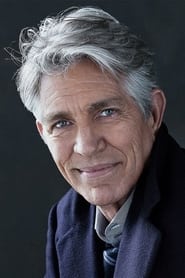
Dave
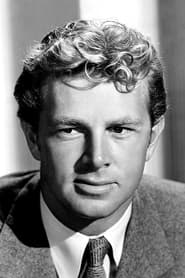
King Zharko Stepanowicz
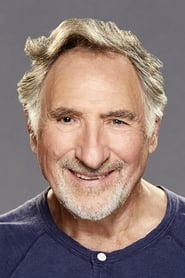
Groffo Stepanowicz

Rose

Persa

Sharon

Tita
Main Cast & Characters
Dave
Played by Eric Roberts
A young Romani man chosen to succeed his grandfather as king, torn between Romani traditions and modern American life
King Zharko Stepanowicz
Played by Sterling Hayden
The aging Romani king who tries to pass leadership to his grandson Dave rather than his son Groffo
Groffo Stepanowicz
Played by Judd Hirsch
Dave's volatile and violent father who feels cheated of his birthright to become king
Rose
Played by Susan Sarandon
Dave's devoted and strong-willed mother who tries to protect her family from Groffo's violence
Persa
Played by Brooke Shields
Dave's sister who struggles with the oppressive Romani gender expectations and traditions
Sharon
Played by Annette O'Toole
A non-Romani woman who becomes romantically involved with Dave, representing his connection to mainstream society
Tita
Played by Annie Potts
Dave's sister who suffers under traditional Romani gender roles and family expectations
Structural Analysis
The Status Quo at 1 minutes (1% through the runtime) establishes Young Dave watches his grandfather Zharko Stepanowicz, the powerful King of the Gypsies, hold court over his clan in New York, establishing the traditional Romani world Dave was born into.. Significantly, this early placement immediately immerses viewers in the story world.
The inciting incident occurs at 14 minutes when Zharko publicly names young Dave as his successor instead of his own son Groffo, creating a bitter family schism and making Dave a target of his father's rage.. At 12% through the film, this Disruption aligns precisely with traditional story structure. This beat shifts the emotional landscape, launching the protagonist into the central conflict.
The First Threshold at 28 minutes marks the transition into Act II, occurring at 25% of the runtime. This reveals the protagonist's commitment to After Zharko's death, Dave is forced to return for the funeral and must confront whether he will accept his destiny as king or abandon his people to Groffo's corrupt rule., moving from reaction to action.
At 56 minutes, the Midpoint arrives at 50% of the runtime—precisely centered, creating perfect narrative symmetry. Structural examination shows that this crucial beat Groffo escalates his rebellion, turning clan members against Dave and revealing the depth of corruption in the old ways, forcing Dave to realize he can't simply reform the system from within., fundamentally raising what's at risk. The emotional intensity shifts, dividing the narrative into clear before-and-after phases.
The Collapse moment at 84 minutes (75% through) represents the emotional nadir. Here, Groffo's violence reaches its peak when he attacks Rose and destroys what Dave was trying to build, seemingly proving that the crown brings only suffering and death., illustrates the protagonist at their lowest point. This beat's placement in the final quarter sets up the climactic reversal.
The Second Threshold at 90 minutes initiates the final act resolution at 80% of the runtime. Dave realizes that being king doesn't mean preserving every tradition or abandoning them all—it means having the strength to choose which parts of his heritage serve his people and which must die., demonstrating the transformation achieved throughout the journey.
Emotional Journey
King of the Gypsies's emotional architecture traces a deliberate progression across 15 carefully calibrated beats.
Narrative Framework
This structural analysis employs systematic plot point analysis that identifies crucial turning points. By mapping King of the Gypsies against these established plot points, we can identify how Frank Pierson utilizes or subverts traditional narrative conventions. The plot point approach reveals not only adherence to structural principles but also creative choices that distinguish King of the Gypsies within the crime genre.
Frank Pierson's Structural Approach
Among the 2 Frank Pierson films analyzed on Arcplot, the average structural score is 6.9, demonstrating varied approaches to story architecture. King of the Gypsies takes a more unconventional approach compared to the director's typical style. For comparative analysis, explore the complete Frank Pierson filmography.
Comparative Analysis
Additional crime films include The Bad Guys, Rustom and The Whole Ten Yards. For more Frank Pierson analyses, see A Star Is Born.
Plot Points by Act
Act I
SetupStatus Quo
Young Dave watches his grandfather Zharko Stepanowicz, the powerful King of the Gypsies, hold court over his clan in New York, establishing the traditional Romani world Dave was born into.
Theme
Zharko tells Dave: "You can't run from what you are," foreshadowing the central conflict between heritage and personal freedom, tradition and modernity.
Worldbuilding
Establishment of the Stepanowicz gypsy clan structure, Zharko's absolute authority, Dave's father Groffo's resentment and violence, and the clash between old Romani traditions and 1970s America.
Disruption
Zharko publicly names young Dave as his successor instead of his own son Groffo, creating a bitter family schism and making Dave a target of his father's rage.
Resistance
Dave grows up torn between his grandfather's expectations and his desire for a normal American life. He resists the crown, running away repeatedly while Groffo's bitterness festers.
Act II
ConfrontationFirst Threshold
After Zharko's death, Dave is forced to return for the funeral and must confront whether he will accept his destiny as king or abandon his people to Groffo's corrupt rule.
Mirror World
Dave reconnects with Rose, a young gypsy woman who represents a bridge between tradition and change, offering him a vision of how he might honor his heritage without being consumed by it.
Premise
Dave attempts to navigate being king on his own terms, introducing reforms and challenging brutal traditions while dealing with Groffo's schemes to undermine and destroy him.
Midpoint
Groffo escalates his rebellion, turning clan members against Dave and revealing the depth of corruption in the old ways, forcing Dave to realize he can't simply reform the system from within.
Opposition
The clan fractures into warring factions. Groffo becomes increasingly violent and destructive. Dave loses supporters and must watch as the community tears itself apart.
Collapse
Groffo's violence reaches its peak when he attacks Rose and destroys what Dave was trying to build, seemingly proving that the crown brings only suffering and death.
Crisis
Dave faces his dark night, questioning whether Zharko was right to choose him, whether the gypsy way can survive in modern America, and if leadership means sacrificing everything he wants for himself.
Act III
ResolutionSecond Threshold
Dave realizes that being king doesn't mean preserving every tradition or abandoning them all—it means having the strength to choose which parts of his heritage serve his people and which must die.
Synthesis
Dave confronts Groffo and asserts his authority as king, not through violence but by embodying a new kind of leadership that honors the past while refusing to be enslaved by it.
Transformation
Dave stands as the true King of the Gypsies, having forged his own path—neither fully traditional nor completely assimilated, but authentically himself, proving Zharko's faith was justified.