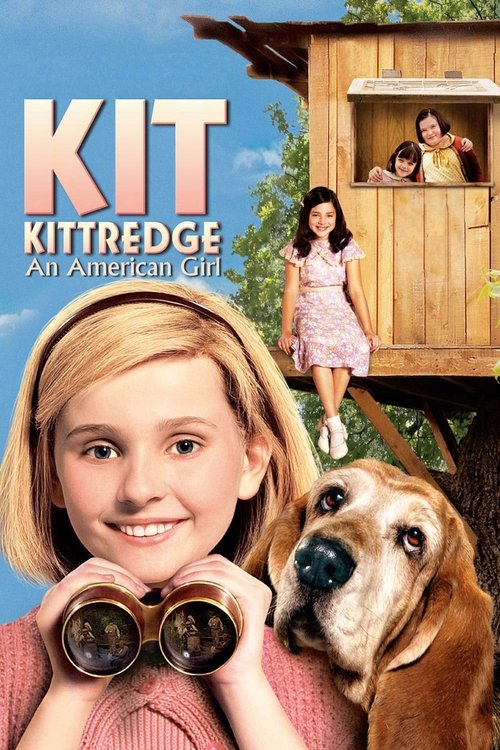
Kit Kittredge: An American Girl
The Great Depression hits home for nine year old Kit Kittredge when her dad loses his business and leaves to find work. Oscar nominee Abigail Breslin stars as Kit, leading a splendid cast in the first ever "American Girl" theatrical movie. In order to keep their home, Kit and her mother must take in boarders - paying house - guests who turn out to be full of fascinating stories. When mother's lockbox containing all their money is stolen, Kit's new hobo friend Will is the prime suspect. Kit refuses to believe that Will would steal, and her efforts to sniff out the real story get her and friends into big trouble. The police say the robbery was an inside job, committed by someone they know. So if it wasn't Will, then who did it.
Working with a small-scale budget of $10.0M, the film achieved a modest success with $17.7M in global revenue (+77% profit margin).
2 wins & 5 nominations


Plot Structure
Story beats plotted across runtime


Narrative Arc
Emotional journey through the story's key moments
Story Circle
Blueprint 15-beat structure
Arcplot Score Breakdown
Weighted: Precision (70%) + Arc (15%) + Theme (15%)
Kit Kittredge: An American Girl (2008) showcases strategically placed dramatic framework, characteristic of Patricia Rozema's storytelling approach. This structural analysis examines how the film's 15-point plot structure maps to proven narrative frameworks across 1 hour and 41 minutes. With an Arcplot score of 7.8, the film showcases strong structural fundamentals.
Characters
Cast & narrative archetypes

Kit Kittredge
Margaret Kittredge
Jack Kittredge
Will Shepherd
Ruthie Smithens
Stirling Howard
Mobile Davis
Charlie Kittredge
Main Cast & Characters
Kit Kittredge
Played by Abigail Breslin
A spirited 10-year-old aspiring journalist who investigates a hobo conspiracy during the Great Depression to save her family's home.
Margaret Kittredge
Played by Julia Ormond
Kit's pragmatic mother who opens a boarding house to keep the family afloat after her husband leaves to find work.
Jack Kittredge
Played by Chris O'Donnell
Kit's father who leaves Cincinnati to find work in Chicago, struggling with the shame of unemployment during the Depression.
Will Shepherd
Played by Max Thieriot
A young hobo who befriends Kit and becomes wrongly accused of robbery, representing the misunderstood transient population.
Ruthie Smithens
Played by Madison Davenport
Kit's best friend and loyal companion who helps with the investigation despite her wealthy background.
Stirling Howard
Played by Stanley Tucci
A charming but suspicious boarder at the Kittredge house who becomes a key figure in the mystery.
Mobile Davis
Played by Willow Smith
A tough street-smart orphan girl who initially clashes with Kit but becomes an important ally.
Charlie Kittredge
Played by Zane Huett
Kit's older brother who struggles with family financial troubles and masculine expectations during the Depression.
Structural Analysis
The Status Quo at 1 minutes (1% through the runtime) establishes Kit types on her typewriter in her treehouse, dreaming of becoming a reporter. She lives in comfortable 1930s Cincinnati with loving parents, aspiring to see her writing published in the newspaper.. Significantly, this early placement immediately immerses viewers in the story world.
The inciting incident occurs at 11 minutes when Kit's father loses his job. The Depression hits the Kittredge family directly, shattering their financial security and comfortable lifestyle.. At 11% through the film, this Disruption aligns precisely with traditional story structure. This beat shifts the emotional landscape, launching the protagonist into the central conflict.
The First Threshold at 25 minutes marks the transition into Act II, occurring at 25% of the runtime. This reveals the protagonist's commitment to Kit's father leaves Cincinnati to find work in Chicago. The family officially becomes a boarding house, and Kit must actively embrace this new world of economic hardship and help her mother run the household., moving from reaction to action.
At 50 minutes, the Midpoint arrives at 49% of the runtime—precisely centered, creating perfect narrative symmetry. Significantly, this crucial beat False defeat: Will and Countee are arrested for robbery based on circumstantial evidence. Kit's new friends are taken away, and public opinion turns against hobos. The stakes raise dramatically., fundamentally raising what's at risk. The emotional intensity shifts, dividing the narrative into clear before-and-after phases.
The Collapse moment at 73 minutes (72% through) represents the emotional nadir. Here, The bank threatens foreclosure on the Kittredge home. Kit faces losing everything—her house, her chance to save Will and Countee, and her family's stability. Her mother breaks down under the pressure., demonstrates the protagonist at their lowest point. This beat's placement in the final quarter sets up the climactic reversal.
The Second Threshold at 79 minutes initiates the final act resolution at 78% of the runtime. Kit realizes the real thieves are other boarders. She combines her investigative skills (journalism training) with what she learned from Will and Countee (community and courage) to take action and set a trap., demonstrating the transformation achieved throughout the journey.
Emotional Journey
Kit Kittredge: An American Girl's emotional architecture traces a deliberate progression across 15 carefully calibrated beats.
Narrative Framework
This structural analysis employs proven narrative structure principles that track dramatic progression. By mapping Kit Kittredge: An American Girl against these established plot points, we can identify how Patricia Rozema utilizes or subverts traditional narrative conventions. The plot point approach reveals not only adherence to structural principles but also creative choices that distinguish Kit Kittredge: An American Girl within the family genre.
Patricia Rozema's Structural Approach
Among the 2 Patricia Rozema films analyzed on Arcplot, the average structural score is 7.2, reflecting strong command of classical structure. Kit Kittredge: An American Girl represents one of the director's most structurally precise works. For comparative analysis, explore the complete Patricia Rozema filmography.
Comparative Analysis
Additional family films include The Black Stallion, The Bad Guys and Ella Enchanted. For more Patricia Rozema analyses, see Mansfield Park.
Plot Points by Act
Act I
SetupStatus Quo
Kit types on her typewriter in her treehouse, dreaming of becoming a reporter. She lives in comfortable 1930s Cincinnati with loving parents, aspiring to see her writing published in the newspaper.
Theme
Kit's mother says, "When times are tough, that's when people need to pull together most." The theme of community solidarity during hardship is introduced.
Worldbuilding
Establishing Depression-era Cincinnati: Kit's comfortable middle-class home, her journalist aspirations, her friendship with Stirling, her family dynamics, and the first signs of economic trouble affecting neighbors.
Disruption
Kit's father loses his job. The Depression hits the Kittredge family directly, shattering their financial security and comfortable lifestyle.
Resistance
The family debates how to survive: Kit resists changes, her mother proposes taking in boarders, and her father struggles with shame. Kit tries to help by selling eggs and writing stories, reluctant to accept their new reality.
Act II
ConfrontationFirst Threshold
Kit's father leaves Cincinnati to find work in Chicago. The family officially becomes a boarding house, and Kit must actively embrace this new world of economic hardship and help her mother run the household.
Mirror World
Will and Countee, two homeless young men, arrive as boarders. They represent different responses to hardship—humor, resilience, and mutual support—teaching Kit about dignity despite circumstances.
Premise
Kit investigates mysteries around the boarding house while learning to navigate Depression-era life. She pursues her reporting dreams, bonds with the boarders, and discovers that hobos are being blamed for local robberies.
Midpoint
False defeat: Will and Countee are arrested for robbery based on circumstantial evidence. Kit's new friends are taken away, and public opinion turns against hobos. The stakes raise dramatically.
Opposition
Kit investigates to prove Will and Countee's innocence but faces opposition from adults who dismiss her, community prejudice against hobos, and mounting pressure as more evidence seems to condemn her friends.
Collapse
The bank threatens foreclosure on the Kittredge home. Kit faces losing everything—her house, her chance to save Will and Countee, and her family's stability. Her mother breaks down under the pressure.
Crisis
Kit processes this dark moment, questioning whether her efforts matter. She contemplates giving up on both journalism and investigation, feeling powerless against adult systems and economic forces.
Act III
ResolutionSecond Threshold
Kit realizes the real thieves are other boarders. She combines her investigative skills (journalism training) with what she learned from Will and Countee (community and courage) to take action and set a trap.
Synthesis
Kit exposes the real criminals, saves Will and Countee from jail, recovers stolen money that helps save the house, and writes the true story. Her article gets published, vindicating her and the hobos.
Transformation
Kit types in her treehouse again, but transformed: now a published journalist, surrounded by her family (father returned) and boarders as extended family. She's learned that community and courage matter more than comfort.