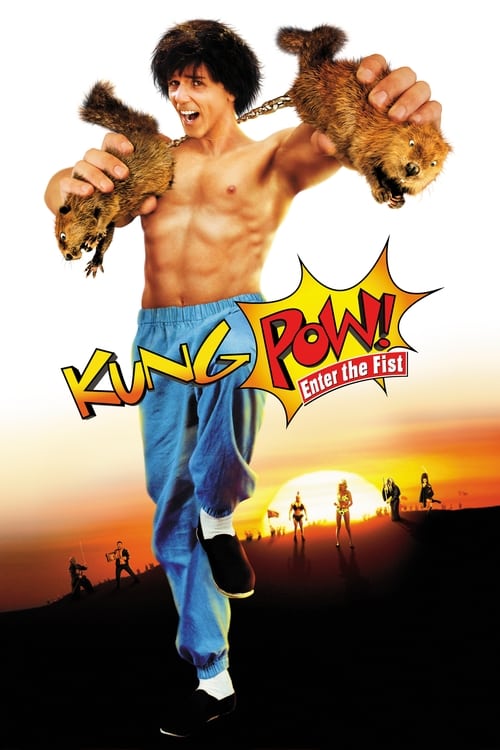
Kung Pow: Enter the Fist
A movie within a movie, created to spoof the martial arts genre. Writer/director Steve Oedekerk uses contemporary characters and splices them into a 1970s kung-fu film, weaving the new and old together. As the main character, The Chosen One, Oedekerk sets off to avenge the deaths of his parents at the hands of kung-fu legend Master Pain. Along the way he encounters some strange characters.
Working with a limited budget of $10.0M, the film achieved a respectable showing with $17.0M in global revenue (+70% profit margin).
1 win & 1 nomination


Plot Structure
Story beats plotted across runtime


Narrative Arc
Emotional journey through the story's key moments
Story Circle
Blueprint 15-beat structure
Arcplot Score Breakdown
Weighted: Precision (70%) + Arc (15%) + Theme (15%)
Kung Pow: Enter the Fist (2002) reveals meticulously timed narrative architecture, characteristic of Steve Oedekerk's storytelling approach. This structural analysis examines how the film's 15-point plot structure maps to proven narrative frameworks across 1 hour and 21 minutes. With an Arcplot score of 7.0, the film balances conventional beats with creative variation.
Characters
Cast & narrative archetypes

The Chosen One
Master Pain/Betty
Wimp Lo
Master Tang
Ling
Master Doe
Main Cast & Characters
The Chosen One
Played by Steve Oedekerk
A martial arts master seeking revenge for his family's murder by Master Pain/Betty. Trained since infancy with superhuman abilities.
Master Pain/Betty
Played by Steve Oedekerk
The primary antagonist who killed The Chosen One's family. A bizarre villain who changes his name to Betty after being mocked.
Wimp Lo
Played by Leo Lee
A comedic martial artist deliberately trained wrong as a joke. Believes his inferior technique makes him invincible.
Master Tang
Played by Hui Lou Chen
The Chosen One's mentor and teacher. A wise but eccentric kung fu master who guides the hero on his journey.
Ling
Played by Jennifer Tung
A female warrior and love interest who aids The Chosen One in his quest for vengeance.
Master Doe
Played by Tad Horino
A fellow martial artist and ally of The Chosen One in the fight against Master Pain/Betty.
Structural Analysis
The Status Quo at 1 minutes (1% through the runtime) establishes Baby "Chosen One" witnesses his family massacred by Master Pain, establishing the revenge quest that will define his life.. Significantly, this early placement immediately immerses viewers in the story world.
The inciting incident occurs at 9 minutes when Master Pain (now Betty) attacks the village and kills Master Tang, forcing the Chosen One to confront his destiny to seek revenge.. At 12% through the film, this Disruption aligns precisely with traditional story structure. This beat shifts the emotional landscape, launching the protagonist into the central conflict.
The First Threshold at 20 minutes marks the transition into Act II, occurring at 24% of the runtime. This shows the protagonist's commitment to The Chosen One actively decides to leave the village and seek out Betty to fulfill his destiny as the prophesied warrior., moving from reaction to action.
At 41 minutes, the Midpoint arrives at 50% of the runtime—precisely centered, creating perfect narrative symmetry. Significantly, this crucial beat The Chosen One discovers his super "Tongue of Fury" power and defeats Moo Nieu, a false victory that makes him believe he's ready to face Betty., fundamentally raising what's at risk. The emotional intensity shifts, dividing the narrative into clear before-and-after phases.
The Collapse moment at 59 minutes (73% through) represents the emotional nadir. Here, The Chosen One faces seeming defeat at Betty's hands, his friends are endangered, and his revenge quest appears to have failed - the "whiff of death" moment., indicates the protagonist at their lowest point. This beat's placement in the final quarter sets up the climactic reversal.
The Second Threshold at 64 minutes initiates the final act resolution at 79% of the runtime. The Chosen One synthesizes his training with his emotional connections, realizing he fights not just for revenge but to protect those he cares about., demonstrating the transformation achieved throughout the journey.
Emotional Journey
Kung Pow: Enter the Fist's emotional architecture traces a deliberate progression across 15 carefully calibrated beats.
Narrative Framework
This structural analysis employs proven narrative structure principles that track dramatic progression. By mapping Kung Pow: Enter the Fist against these established plot points, we can identify how Steve Oedekerk utilizes or subverts traditional narrative conventions. The plot point approach reveals not only adherence to structural principles but also creative choices that distinguish Kung Pow: Enter the Fist within the comedy genre.
Steve Oedekerk's Structural Approach
Among the 4 Steve Oedekerk films analyzed on Arcplot, the average structural score is 7.1, reflecting strong command of classical structure. Kung Pow: Enter the Fist takes a more unconventional approach compared to the director's typical style. For comparative analysis, explore the complete Steve Oedekerk filmography.
Comparative Analysis
Additional comedy films include The Bad Guys, Ella Enchanted and The Evening Star. For more Steve Oedekerk analyses, see Ace Ventura: When Nature Calls, Nothing to Lose and Barnyard.
Plot Points by Act
Act I
SetupStatus Quo
Baby "Chosen One" witnesses his family massacred by Master Pain, establishing the revenge quest that will define his life.
Theme
Master Tang tells the Chosen One: "We are all just children of destiny" - establishing the film's satirical take on martial arts destiny narratives.
Worldbuilding
The Chosen One trains with Master Pain's former students, learns about the prophecy, and develops his absurd fighting abilities in the ridiculous world of martial arts parody.
Disruption
Master Pain (now Betty) attacks the village and kills Master Tang, forcing the Chosen One to confront his destiny to seek revenge.
Resistance
The Chosen One debates whether he's ready for revenge, trains with absurd techniques, and gathers allies including Ling and the quirky villagers.
Act II
ConfrontationFirst Threshold
The Chosen One actively decides to leave the village and seek out Betty to fulfill his destiny as the prophesied warrior.
Mirror World
Ling becomes the romantic subplot, representing a gentler path and human connection that contrasts with the Chosen One's obsessive revenge quest.
Premise
The Chosen One experiences the absurd "fun and games" the audience expects: ridiculous fights, the one-breasted warrior, Mu Shu Fasa, pyramid training, and escalating parody of martial arts tropes.
Midpoint
The Chosen One discovers his super "Tongue of Fury" power and defeats Moo Nieu, a false victory that makes him believe he's ready to face Betty.
Opposition
Betty's forces intensify attacks, the Chosen One's allies are captured or threatened, and his cockiness from the midpoint leads to escalating challenges.
Collapse
The Chosen One faces seeming defeat at Betty's hands, his friends are endangered, and his revenge quest appears to have failed - the "whiff of death" moment.
Crisis
The Chosen One experiences his dark night, questioning his abilities and destiny before finding renewed resolve through his connection to his fallen master and allies.
Act III
ResolutionSecond Threshold
The Chosen One synthesizes his training with his emotional connections, realizing he fights not just for revenge but to protect those he cares about.
Synthesis
Final confrontation with Betty utilizing all accumulated skills, saving allies, and defeating the villain in an absurdly over-the-top climactic battle.
Transformation
The Chosen One stands victorious with Ling and friends, transformed from revenge-obsessed orphan to heroic protector, ending with the promise "Kung Pow 2: Tongue of Fury" in parody of sequel setups.