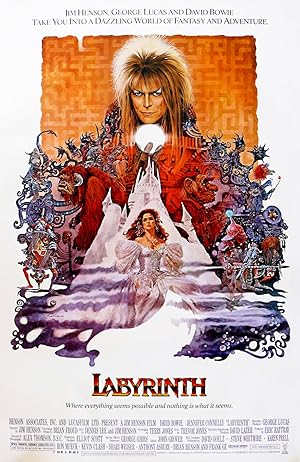
Labyrinth
Teenager Sarah is forced by her father and her stepmother to babysit her baby brother Toby while they are outside home. Toby does not stop crying and Sarah wishes that her stepbrother be taken by the Goblin King Jareth. Out of the blue, Toby stops crying and when Sarah looks for him in the cradle, she learns that her wish was granted and the Goblin King Jareth has taken him to his castle in the Goblin City in the middle of a labyrinth. Sarah repents and asks Jareth to give Toby back; but the Goblin King tells her that she has to rescue her brother before midnight. Soon Sarah teams up with some allies. Will they rescue Toby in time?
The film disappointed at the box office against its moderate budget of $25.0M, earning $12.7M globally (-49% loss). While initial box office returns were modest, the film has gained appreciation for its unconventional structure within the adventure genre.
Nominated for 1 BAFTA Award4 nominations


Plot Structure
Story beats plotted across runtime


Narrative Arc
Emotional journey through the story's key moments
Story Circle
Blueprint 15-beat structure
Arcplot Score Breakdown
Weighted: Precision (70%) + Arc (15%) + Theme (15%)
Labyrinth (1986) exemplifies deliberately positioned narrative design, characteristic of Jim Henson's storytelling approach. This structural analysis examines how the film's 15-point plot structure maps to proven narrative frameworks across 1 hour and 41 minutes. With an Arcplot score of 6.4, the film takes an unconventional approach to traditional narrative frameworks.
Characters
Cast & narrative archetypes
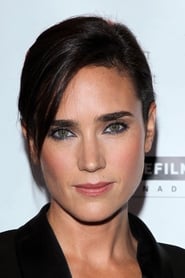
Sarah Williams

Jareth

Hoggle
Ludo
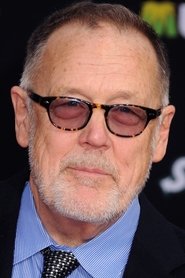
Sir Didymus
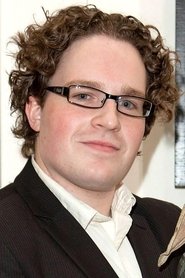
Toby Williams
Main Cast & Characters
Sarah Williams
Played by Jennifer Connelly
A teenage girl who must navigate a magical labyrinth to rescue her baby brother from the Goblin King
Jareth
Played by David Bowie
The seductive and manipulative Goblin King who rules the labyrinth and kidnaps Sarah's brother
Hoggle
Played by Shari Weiser
A cowardly dwarf who initially serves Jareth but becomes Sarah's reluctant guide and friend
Ludo
Played by Rob Mills
A large, gentle beast with the ability to summon rocks, who becomes one of Sarah's loyal companions
Sir Didymus
Played by Dave Goelz
A brave, chivalrous fox-terrier knight who guards the bridge and joins Sarah's quest
Toby Williams
Played by Toby Froud
Sarah's infant half-brother who is wished away to Jareth and becomes the object of her quest
Structural Analysis
The Status Quo at 1 minutes (1% through the runtime) establishes Sarah, dressed in costume, rehearses lines from her favorite book in the park with her dog Merlin, lost in fantasy while neglecting real-world responsibilities.. Structural examination shows that this early placement immediately immerses viewers in the story world.
The inciting incident occurs at 13 minutes when In a moment of frustrated anger, Sarah wishes the goblins would take Toby away. Jareth the Goblin King appears and reveals he has taken the baby - her careless words have real consequences.. At 13% through the film, this Disruption is delayed, allowing extended setup of the story world. This beat shifts the emotional landscape, launching the protagonist into the central conflict.
The First Threshold at 25 minutes marks the transition into Act II, occurring at 25% of the runtime. This reveals the protagonist's commitment to Sarah commits to entering the labyrinth proper, choosing left at Hoggle's false advice. She makes the active choice to pursue Toby despite the impossible odds, leaving the ordinary world behind entirely., moving from reaction to action.
At 51 minutes, the Midpoint arrives at 50% of the runtime—precisely centered, creating perfect narrative symmetry. Significantly, this crucial beat Sarah and her companions successfully cross the Bog of Eternal Stench via Ludo's rock-calling powers. False victory - she believes she's making real progress with loyal friends, but Jareth watches and escalates his manipulation of Hoggle., fundamentally raising what's at risk. The emotional intensity shifts, dividing the narrative into clear before-and-after phases.
The Collapse moment at 75 minutes (74% through) represents the emotional nadir. Here, Sarah breaks free from the ballroom illusion only to fall into the junkyard. The Junk Lady tries to bury her in possessions from her room, nearly convincing her that these objects ARE her identity. Sarah almost forgets Toby entirely - a death of purpose., reveals the protagonist at their lowest point. This beat's placement in the final quarter sets up the climactic reversal.
The Second Threshold at 81 minutes initiates the final act resolution at 80% of the runtime. Sarah declares "I have to face him alone" and enters the castle while her friends battle the goblin army. She synthesizes her journey's lessons - accepting help while taking personal responsibility - and chooses to confront Jareth directly., demonstrating the transformation achieved throughout the journey.
Emotional Journey
Labyrinth's emotional architecture traces a deliberate progression across 15 carefully calibrated beats.
Narrative Framework
This structural analysis employs proven narrative structure principles that track dramatic progression. By mapping Labyrinth against these established plot points, we can identify how Jim Henson utilizes or subverts traditional narrative conventions. The plot point approach reveals not only adherence to structural principles but also creative choices that distinguish Labyrinth within the adventure genre.
Jim Henson's Structural Approach
Among the 2 Jim Henson films analyzed on Arcplot, the average structural score is 7.1, reflecting strong command of classical structure. Labyrinth takes a more unconventional approach compared to the director's typical style. For comparative analysis, explore the complete Jim Henson filmography.
Comparative Analysis
Additional adventure films include The Black Stallion, The Bad Guys and Puss in Boots. For more Jim Henson analyses, see The Great Muppet Caper.
Plot Points by Act
Act I
SetupStatus Quo
Sarah, dressed in costume, rehearses lines from her favorite book in the park with her dog Merlin, lost in fantasy while neglecting real-world responsibilities.
Theme
Sarah's stepmother criticizes her for living in fantasy: "You're sixteen years old - you should have dates, not be playing dress-up." The theme of growing up and accepting responsibility is stated.
Worldbuilding
Sarah's world is established: her absent mother replaced by a stepmother, her resentment of baby brother Toby, her room filled with escapist fantasy objects including the book "The Labyrinth," and her self-centered teenage frustration.
Disruption
In a moment of frustrated anger, Sarah wishes the goblins would take Toby away. Jareth the Goblin King appears and reveals he has taken the baby - her careless words have real consequences.
Resistance
Jareth offers Sarah her dreams in exchange for forgetting Toby. She refuses and demands him back. Jareth reveals the labyrinth and gives her 13 hours to solve it or Toby becomes a goblin forever. Sarah enters the labyrinth and meets Hoggle, who reluctantly shows her the entrance.
Act II
ConfrontationFirst Threshold
Sarah commits to entering the labyrinth proper, choosing left at Hoggle's false advice. She makes the active choice to pursue Toby despite the impossible odds, leaving the ordinary world behind entirely.
Mirror World
Sarah befriends the worm who teaches her that things aren't always what they seem - "If she'd kept going that way, she'd have gone straight to the castle." The labyrinth's true nature as a test of perception begins.
Premise
Sarah navigates the labyrinth's challenges: solving the two-door riddle with lying guards, escaping the oubliette with Hoggle's help, encountering the Helping Hands, and forming her unlikely fellowship with Hoggle, Ludo the gentle beast, and Sir Didymus the brave fox knight.
Midpoint
Sarah and her companions successfully cross the Bog of Eternal Stench via Ludo's rock-calling powers. False victory - she believes she's making real progress with loyal friends, but Jareth watches and escalates his manipulation of Hoggle.
Opposition
Jareth intensifies his schemes: he threatens Hoggle, sends the Goblin army and the Cleaners, and manipulates Sarah with the enchanted peach that traps her in a fantasy ballroom dream. Sarah's progress slows as the clock races toward zero.
Collapse
Sarah breaks free from the ballroom illusion only to fall into the junkyard. The Junk Lady tries to bury her in possessions from her room, nearly convincing her that these objects ARE her identity. Sarah almost forgets Toby entirely - a death of purpose.
Crisis
Sarah realizes "It's all junk!" and breaks free from the false room. She confronts the emptiness of her self-centered fantasy life. Reunited with her friends at the gates of the Goblin City, she must now face what she truly fears.
Act III
ResolutionSecond Threshold
Sarah declares "I have to face him alone" and enters the castle while her friends battle the goblin army. She synthesizes her journey's lessons - accepting help while taking personal responsibility - and chooses to confront Jareth directly.
Synthesis
Sarah navigates the Escher-room illusion pursuing Toby. Jareth offers her everything - her dreams, to fear her, love her, be her slave - if she'll just let him rule her. Sarah struggles to remember the words that will defeat him as time runs out.
Transformation
Sarah speaks the words: "You have no power over me." She reclaims Toby and returns home, now able to appreciate her real life while keeping her imagination. Her friends appear in her mirror - fantasy and maturity can coexist.