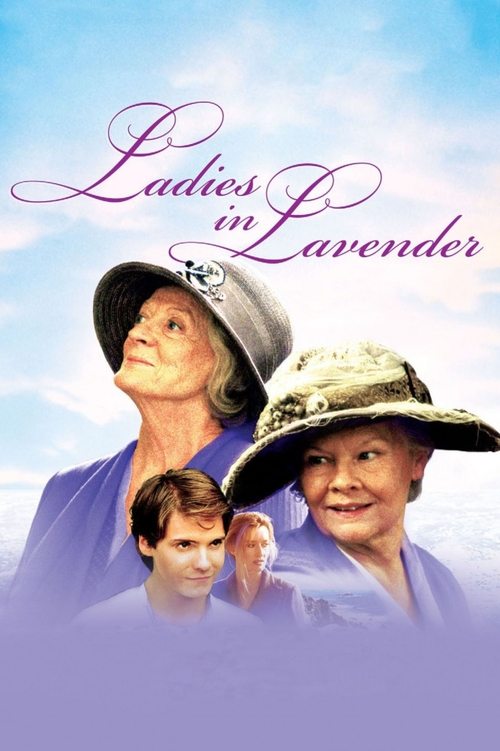
Ladies in Lavender
Andrea, a gifted young Polish violinist from Krakow, is bound for America when he is swept overboard by a storm. When the Widdington sisters discover the handsome stranger on the beach below their house, they nurse him back to health. However, the presence of the musically talented young man disrupts the peaceful lives of Ursula and Janet and the community in which they live.
The film earned $20.4M at the global box office.


Plot Structure
Story beats plotted across runtime


Narrative Arc
Emotional journey through the story's key moments
Story Circle
Blueprint 15-beat structure
Arcplot Score Breakdown
Weighted: Precision (70%) + Arc (15%) + Theme (15%)
Ladies in Lavender (2004) demonstrates precise dramatic framework, characteristic of Charles Dance's storytelling approach. This structural analysis examines how the film's 15-point plot structure maps to proven narrative frameworks across 1 hour and 44 minutes. With an Arcplot score of 7.5, the film showcases strong structural fundamentals.
Characters
Cast & narrative archetypes

Ursula Widdington
Janet Widdington
Andrea Marowski
Olga Danilof
Dr. Francis Mead
Main Cast & Characters
Ursula Widdington
Played by Judi Dench
Elder sister living a quiet life in 1930s Cornwall, whose world is disrupted by a mysterious young man washed ashore.
Janet Widdington
Played by Maggie Smith
Younger sister who develops romantic feelings for the young stranger they rescue from the sea.
Andrea Marowski
Played by Daniel Brühl
A young Polish violinist who washes ashore in Cornwall and recovers under the sisters' care, awakening long-dormant emotions.
Olga Danilof
Played by Natascha McElhone
A glamorous Russian violinist who recognizes Andrea's talent and offers him a path to a greater musical career.
Dr. Francis Mead
Played by David Warner
The local country doctor who tends to Andrea and has long harbored affection for Ursula.
Structural Analysis
The Status Quo at 1 minutes (1% through the runtime) establishes The Widdington sisters, Ursula and Janet, live their quiet, orderly lives in their Cornwall cottage overlooking the sea. Their peaceful routine is established through morning rituals and gentle bickering.. Significantly, this early placement immediately immerses viewers in the story world.
The inciting incident occurs at 12 minutes when The sisters discover an unconscious young man washed up on the beach near their home. This mysterious stranger disrupts their quiet world and awakens dormant emotions.. At 12% through the film, this Disruption aligns precisely with traditional story structure. This beat shifts the emotional landscape, launching the protagonist into the central conflict.
The First Threshold at 25 minutes marks the transition into Act II, occurring at 24% of the runtime. This demonstrates the protagonist's commitment to The sisters make the active choice to keep Andrea in their home as he recuperates, committing to care for him despite the impropriety and disruption to their lives. This decision opens them to transformation., moving from reaction to action.
At 52 minutes, the Midpoint arrives at 50% of the runtime—precisely centered, creating perfect narrative symmetry. Of particular interest, this crucial beat False defeat: Boris Danilof, a renowned violinist and Olga's brother, hears Andrea play and recognizes his extraordinary talent. This raises the stakes - Andrea now has a path to the wider world, threatening the sisters' sheltered happiness. Ursula realizes she could lose him., fundamentally raising what's at risk. The emotional intensity shifts, dividing the narrative into clear before-and-after phases.
The Collapse moment at 79 minutes (76% through) represents the emotional nadir. Here, After the triumphant concert, Andrea leaves with Boris and Olga without properly saying goodbye to Ursula. Her hopes and romantic fantasies die. The "whiff of death" is the death of her illusions and the painful recognition of her age and irrelevance., illustrates the protagonist at their lowest point. This beat's placement in the final quarter sets up the climactic reversal.
The Second Threshold at 84 minutes initiates the final act resolution at 81% of the runtime. Andrea returns briefly to thank the sisters and say a proper goodbye. This gesture of gratitude and recognition allows Ursula to synthesize the experience - it was real, she mattered to him, and the beauty of it remains even though he must go., demonstrating the transformation achieved throughout the journey.
Emotional Journey
Ladies in Lavender's emotional architecture traces a deliberate progression across 15 carefully calibrated beats.
Narrative Framework
This structural analysis employs proven narrative structure principles that track dramatic progression. By mapping Ladies in Lavender against these established plot points, we can identify how Charles Dance utilizes or subverts traditional narrative conventions. The plot point approach reveals not only adherence to structural principles but also creative choices that distinguish Ladies in Lavender within the drama genre.
Comparative Analysis
Additional drama films include After Thomas, South Pacific and Dirty Dancing: Havana Nights.
Plot Points by Act
Act I
SetupStatus Quo
The Widdington sisters, Ursula and Janet, live their quiet, orderly lives in their Cornwall cottage overlooking the sea. Their peaceful routine is established through morning rituals and gentle bickering.
Theme
A comment about how life has passed them by and opportunities for passion and excitement are long gone - "We've had our time." The theme explores unfulfilled longing and late-life awakening.
Worldbuilding
Establishing the sisters' relationship, their small coastal community in 1936 Cornwall, their routines, and the melancholic beauty of their isolated existence. We see their gentle competitiveness and Janet's more practical nature versus Ursula's romantic sensibility.
Disruption
The sisters discover an unconscious young man washed up on the beach near their home. This mysterious stranger disrupts their quiet world and awakens dormant emotions.
Resistance
The sisters debate what to do, bring the young man (Andrea) into their home, nurse him back to health. Dr. Mead attends to him. They discover he speaks Polish and German, not English. The sisters navigate their conflicting feelings about this intrusion.
Act II
ConfrontationFirst Threshold
The sisters make the active choice to keep Andrea in their home as he recuperates, committing to care for him despite the impropriety and disruption to their lives. This decision opens them to transformation.
Mirror World
Andrea begins to recover and reveals his musical talent on Ursula's violin. The relationship between Ursula and Andrea deepens, representing the thematic core - the possibility of passion and beauty even in the twilight of life.
Premise
The "fun and games" of the elderly sisters experiencing reawakened feelings through Andrea's presence. Ursula becomes increasingly infatuated. Andrea's music enchants the village. Young Olga Danilof, a Russian-German speaker, becomes their translator and grows close to Andrea.
Midpoint
False defeat: Boris Danilof, a renowned violinist and Olga's brother, hears Andrea play and recognizes his extraordinary talent. This raises the stakes - Andrea now has a path to the wider world, threatening the sisters' sheltered happiness. Ursula realizes she could lose him.
Opposition
Pressure intensifies as Andrea prepares for a concert with Boris Danilof. Ursula's possessiveness grows. Janet tries to protect her sister from heartbreak. The bond between Andrea and Olga strengthens, making Ursula's fantasy increasingly untenable. The sisters' relationship strains.
Collapse
After the triumphant concert, Andrea leaves with Boris and Olga without properly saying goodbye to Ursula. Her hopes and romantic fantasies die. The "whiff of death" is the death of her illusions and the painful recognition of her age and irrelevance.
Crisis
Ursula grieves the loss, processes her foolish hopes. Janet comforts her sister but also confronts the pain of watching Ursula suffer. Both sisters face the reality of their limited future and the fleeting nature of the beauty that briefly entered their lives.
Act III
ResolutionSecond Threshold
Andrea returns briefly to thank the sisters and say a proper goodbye. This gesture of gratitude and recognition allows Ursula to synthesize the experience - it was real, she mattered to him, and the beauty of it remains even though he must go.
Synthesis
The sisters process Andrea's departure and return to their lives, forever changed. They attend to their relationship with each other, the true constant in their lives. They find peace in what the experience gave them rather than what it took away.
Transformation
The sisters walk along the same beach where they found Andrea, their routine restored but transformed. They are still together, still in their cottage, but no longer haunted by unlived lives. They experienced passion and beauty, and carry it with them. The final image mirrors the opening but shows inner transformation.