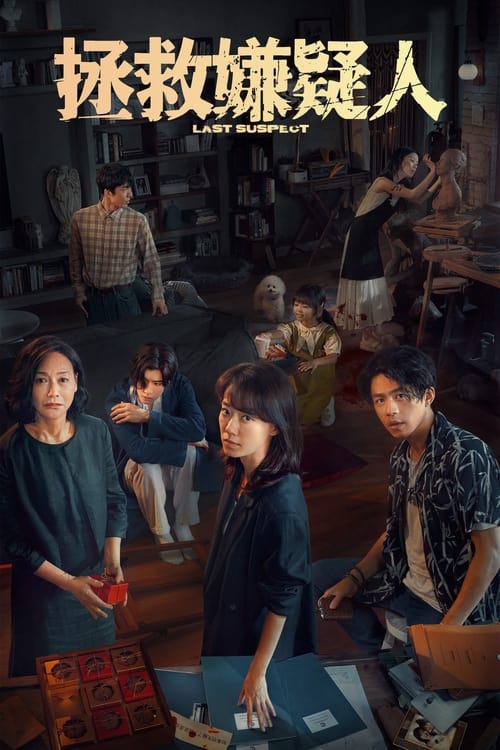
Last Suspect
Lawyer Chen Zhi Qi, who excels in her work, unintentionally finds herself involved in an awful conspiracy theory that involves her client who is on death row.
The film earned $79.8M at the global box office.

Plot Structure
Story beats plotted across runtime


Narrative Arc
Emotional journey through the story's key moments
Story Circle
Blueprint 15-beat structure
Arcplot Score Breakdown
Weighted: Precision (70%) + Arc (15%) + Theme (15%)
Last Suspect (2023) exhibits carefully calibrated story structure, characteristic of Zhang Mo's storytelling approach. This structural analysis examines how the film's 15-point plot structure maps to proven narrative frameworks across 1 hour and 59 minutes. With an Arcplot score of 7.4, the film balances conventional beats with creative variation.
Structural Analysis
The Status Quo at 1 minutes (1% through the runtime) establishes The protagonist lives a quiet, controlled life, isolated from past trauma. Their routine existence shields them from confronting deeper truths.. Of particular interest, this early placement immediately immerses viewers in the story world.
The inciting incident occurs at 14 minutes when A murder occurs and evidence points directly to the protagonist, or someone from their past resurfaces with damning accusations. Their carefully built life begins to crumble.. At 12% through the film, this Disruption aligns precisely with traditional story structure. This beat shifts the emotional landscape, launching the protagonist into the central conflict.
The First Threshold at 29 minutes marks the transition into Act II, occurring at 25% of the runtime. This reveals the protagonist's commitment to The protagonist makes the active choice to investigate and clear their name, diving into dangerous territory. They commit to uncovering the truth, whatever the cost., moving from reaction to action.
At 59 minutes, the Midpoint arrives at 49% of the runtime—precisely centered, creating perfect narrative symmetry. Of particular interest, this crucial beat A major revelation: the protagonist discovers crucial evidence that seems to exonerate them or identifies the real killer. False victory—they believe they're close to freedom., fundamentally raising what's at risk. The emotional intensity shifts, dividing the narrative into clear before-and-after phases.
The Collapse moment at 88 minutes (74% through) represents the emotional nadir. Here, The protagonist is arrested or their closest ally is killed/betrayed. The weight of their past catches up completely. All hope of proving innocence seems lost—a symbolic death of their old self., reveals the protagonist at their lowest point. This beat's placement in the final quarter sets up the climactic reversal.
The Second Threshold at 95 minutes initiates the final act resolution at 80% of the runtime. A crucial piece of evidence or testimony emerges—often from the Mirror World character. The protagonist synthesizes their past experience with new insight, seeing how to expose the real killer., demonstrating the transformation achieved throughout the journey.
Emotional Journey
Last Suspect's emotional architecture traces a deliberate progression across 15 carefully calibrated beats.
Narrative Framework
This structural analysis employs proven narrative structure principles that track dramatic progression. By mapping Last Suspect against these established plot points, we can identify how Zhang Mo utilizes or subverts traditional narrative conventions. The plot point approach reveals not only adherence to structural principles but also creative choices that distinguish Last Suspect within the crime genre.
Zhang Mo's Structural Approach
Among the 2 Zhang Mo films analyzed on Arcplot, the average structural score is 7.4, reflecting strong command of classical structure. Last Suspect exemplifies the director's characteristic narrative technique. For comparative analysis, explore the complete Zhang Mo filmography.
Comparative Analysis
Additional crime films include The Bad Guys, Batman Forever and 12 Rounds. For more Zhang Mo analyses, see Snipers.
Plot Points by Act
Act I
SetupStatus Quo
The protagonist lives a quiet, controlled life, isolated from past trauma. Their routine existence shields them from confronting deeper truths.
Theme
A colleague or friend warns: "Sometimes the truth you're running from is the only thing that can set you free." The protagonist dismisses this.
Worldbuilding
Establishment of the protagonist's world: their relationships, work life, and the carefully constructed walls they've built. Hints of a troubled past emerge through brief interactions.
Disruption
A murder occurs and evidence points directly to the protagonist, or someone from their past resurfaces with damning accusations. Their carefully built life begins to crumble.
Resistance
The protagonist resists getting involved, attempts to maintain innocence through denial. Police pressure mounts. A lawyer, detective, or unexpected ally offers guidance about facing the past.
Act II
ConfrontationFirst Threshold
The protagonist makes the active choice to investigate and clear their name, diving into dangerous territory. They commit to uncovering the truth, whatever the cost.
Mirror World
Introduction of a key relationship—perhaps a fellow suspect, an old friend, or investigative partner—who represents the thematic opposite: someone who has faced their past.
Premise
The investigation unfolds: chasing leads, uncovering clues, dangerous encounters. The protagonist navigates the world of suspects and secrets, getting closer to the truth while evading danger.
Midpoint
A major revelation: the protagonist discovers crucial evidence that seems to exonerate them or identifies the real killer. False victory—they believe they're close to freedom.
Opposition
The real antagonist strikes back. Evidence disappears, witnesses recant, allies are threatened. The protagonist's past mistakes are weaponized against them. Trust erodes everywhere.
Collapse
The protagonist is arrested or their closest ally is killed/betrayed. The weight of their past catches up completely. All hope of proving innocence seems lost—a symbolic death of their old self.
Crisis
In custody or in hiding, the protagonist faces their darkest moment. They confront the truth about who they were and what they've been running from. Internal reckoning with guilt and identity.
Act III
ResolutionSecond Threshold
A crucial piece of evidence or testimony emerges—often from the Mirror World character. The protagonist synthesizes their past experience with new insight, seeing how to expose the real killer.
Synthesis
The protagonist executes their plan: confronting the true antagonist, presenting evidence, and forcing the truth into the light. A tense final confrontation where past and present collide.
Transformation
Exonerated and free, the protagonist is shown in a mirror of the opening image—but transformed. They've faced their past and integrated it, no longer running, finally at peace.