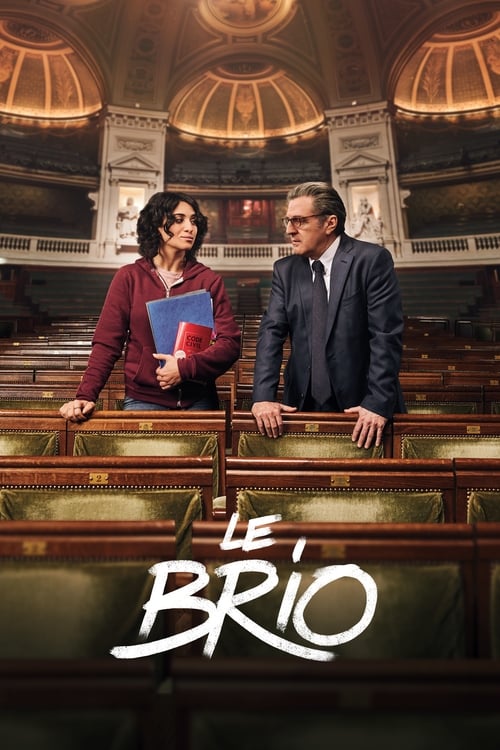
Le Brio
After an incident, a brilliant professor known for his outbursts is forced to mentor the student he wronged for a speech contest.
The film earned $11.0M at the global box office.
2 wins & 4 nominations
Plot Structure
Story beats plotted across runtime


Narrative Arc
Emotional journey through the story's key moments
Story Circle
Blueprint 15-beat structure
Arcplot Score Breakdown
Weighted: Precision (70%) + Arc (15%) + Theme (15%)
Le Brio (2017) exemplifies deliberately positioned narrative architecture, characteristic of Yvan Attal's storytelling approach. This structural analysis examines how the film's 15-point plot structure maps to proven narrative frameworks across 1 hour and 35 minutes. With an Arcplot score of 6.0, the film takes an unconventional approach to traditional narrative frameworks.
Characters
Cast & narrative archetypes

Neïla Salah
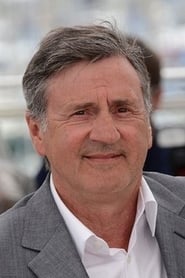
Pierre Mazard

Benjamin
Main Cast & Characters
Neïla Salah
Played by Camélia Jordana
A sharp-tongued law student from the suburbs who must compete in a prestigious debate contest under the mentorship of a demanding professor.
Pierre Mazard
Played by Daniel Auteuil
An arrogant, brilliant law professor known for controversial views who must coach Neïla after making a racist remark.
Benjamin
Played by Jean-Baptiste Lafarge
Neïla's supportive boyfriend who struggles with her intense dedication to the debate competition.
Structural Analysis
The Status Quo at 1 minutes (1% through the runtime) establishes Neïla arrives at the prestigious law school, an outsider from the suburbs in an elite academic world. She is bright but doesn't yet believe in her own voice.. Notably, this early placement immediately immerses viewers in the story world.
The inciting incident occurs at 12 minutes when Professor Mazard makes a racist remark toward Neïla during class, creating a public incident that threatens his career and humiliates her.. At 13% through the film, this Disruption is delayed, allowing extended setup of the story world. This beat shifts the emotional landscape, launching the protagonist into the central conflict.
The First Threshold at 23 minutes marks the transition into Act II, occurring at 24% of the runtime. This indicates the protagonist's commitment to Neïla agrees to let Mazard coach her for the eloquence competition. She actively chooses to enter this demanding mentorship despite their rocky start., moving from reaction to action.
At 48 minutes, the Midpoint arrives at 51% of the runtime—precisely centered, creating perfect narrative symmetry. The analysis reveals that this crucial beat Neïla delivers a powerful practice speech that shows her transformation. She wins a preliminary round or achieves recognition, proving she belongs in this competition. False victory - she seems ready, but deeper challenges await., fundamentally raising what's at risk. The emotional intensity shifts, dividing the narrative into clear before-and-after phases.
The Collapse moment at 71 minutes (75% through) represents the emotional nadir. Here, A major breakdown occurs - either Neïla fails badly, Mazard betrays her trust, or their relationship ruptures. She loses faith in herself and considers quitting. The dream seems dead., shows the protagonist at their lowest point. This beat's placement in the final quarter sets up the climactic reversal.
The Second Threshold at 76 minutes initiates the final act resolution at 80% of the runtime. Neïla has a breakthrough realization about eloquence being authentic self-expression, not just technical skill. She reconciles with Mazard or finds new resolve. She chooses to compete on her own terms., demonstrating the transformation achieved throughout the journey.
Emotional Journey
Le Brio's emotional architecture traces a deliberate progression across 15 carefully calibrated beats.
Narrative Framework
This structural analysis employs systematic plot point analysis that identifies crucial turning points. By mapping Le Brio against these established plot points, we can identify how Yvan Attal utilizes or subverts traditional narrative conventions. The plot point approach reveals not only adherence to structural principles but also creative choices that distinguish Le Brio within the drama genre.
Yvan Attal's Structural Approach
Among the 3 Yvan Attal films analyzed on Arcplot, the average structural score is 7.0, demonstrating varied approaches to story architecture. Le Brio takes a more unconventional approach compared to the director's typical style. For comparative analysis, explore the complete Yvan Attal filmography.
Comparative Analysis
Additional drama films include After Thomas, South Pacific and Dirty Dancing: Havana Nights. For more Yvan Attal analyses, see Happily Ever After, New York, I Love You.
Plot Points by Act
Act I
SetupStatus Quo
Neïla arrives at the prestigious law school, an outsider from the suburbs in an elite academic world. She is bright but doesn't yet believe in her own voice.
Theme
A character discusses the power of eloquence and rhetoric - that words can change minds, overcome barriers, and give voice to those who have been silenced.
Worldbuilding
Introduction to the prestigious law school environment, the competitive academic culture, and Neïla's outsider status. We see Professor Mazard's arrogance and the class dynamics at play.
Disruption
Professor Mazard makes a racist remark toward Neïla during class, creating a public incident that threatens his career and humiliates her.
Resistance
Mazard faces consequences for his behavior. The university administration pressures him to make amends. Neïla is reluctant but intrigued by the possibility of competing in the eloquence competition.
Act II
ConfrontationFirst Threshold
Neïla agrees to let Mazard coach her for the eloquence competition. She actively chooses to enter this demanding mentorship despite their rocky start.
Mirror World
The first real training session begins. The mentor-student dynamic is established - Mazard is demanding and difficult, but Neïla sees glimpses of what she might learn about eloquence and finding her voice.
Premise
The training montage and relationship development. Neïla learns classical rhetoric, gains confidence, and begins to find her voice. Mazard gradually respects her intelligence. They clash but also connect over the beauty of language and argument.
Midpoint
Neïla delivers a powerful practice speech that shows her transformation. She wins a preliminary round or achieves recognition, proving she belongs in this competition. False victory - she seems ready, but deeper challenges await.
Opposition
The stakes intensify. Neïla faces fiercer competition, self-doubt creeps in, and tensions with Mazard escalate. Personal conflicts threaten to derail her progress. The weight of representing her background becomes overwhelming.
Collapse
A major breakdown occurs - either Neïla fails badly, Mazard betrays her trust, or their relationship ruptures. She loses faith in herself and considers quitting. The dream seems dead.
Crisis
Neïla processes the failure and confronts her deepest fears. She must decide whether to give up or find a new understanding of why she's doing this - not to prove others wrong, but to claim her own voice.
Act III
ResolutionSecond Threshold
Neïla has a breakthrough realization about eloquence being authentic self-expression, not just technical skill. She reconciles with Mazard or finds new resolve. She chooses to compete on her own terms.
Synthesis
The final competition. Neïla delivers her speech with newfound authenticity, combining Mazard's classical training with her own lived experience and voice. The resolution of both the external competition and internal journey.
Transformation
Neïla stands transformed - win or lose the competition, she has found her voice and claimed her place. The final image mirrors the opening but shows a young woman who now knows her worth and power.