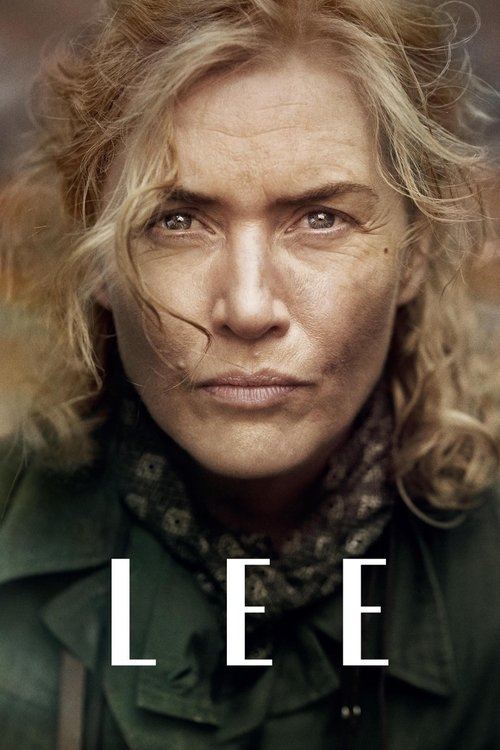
Lee
The true story of photographer Elizabeth "Lee" Miller, a fashion model who became an acclaimed war correspondent for Vogue magazine during World War II.
The film earned $23.5M at the global box office.
Nominated for 1 BAFTA Award3 wins & 17 nominations


Plot Structure
Story beats plotted across runtime


Narrative Arc
Emotional journey through the story's key moments
Story Circle
Blueprint 15-beat structure
Arcplot Score Breakdown
Weighted: Precision (70%) + Arc (15%) + Theme (15%)
Lee (2024) exemplifies strategically placed narrative architecture, characteristic of Ellen Kuras's storytelling approach. This structural analysis examines how the film's 15-point plot structure maps to proven narrative frameworks across 1 hour and 57 minutes. With an Arcplot score of 7.3, the film balances conventional beats with creative variation.
Characters
Cast & narrative archetypes

Lee Miller
Roland Penrose
David E. Scherman
Audrey Withers
Solange D'Ayen
Suzanne
Main Cast & Characters
Lee Miller
Played by Kate Winslet
American photographer and war correspondent who transforms from fashion model to documenting WWII atrocities
Roland Penrose
Played by Alexander Skarsgård
British surrealist artist and Lee's romantic partner who supports her artistic journey
David E. Scherman
Played by Andy Samberg
LIFE magazine photographer and Lee's close friend and colleague during the war
Audrey Withers
Played by Andrea Riseborough
British Vogue editor who champions Lee's war photography career
Solange D'Ayen
Played by Marion Cotillard
French Vogue editor representing Lee's connection to the fashion world
Suzanne
Played by Noémie Merlant
Lee's companion and supporter during her time in Europe
Structural Analysis
The Status Quo at 2 minutes (1% through the runtime) establishes Lee Miller is interviewed by a young journalist in her later years, establishing her as a renowned but haunted photographer reluctant to discuss her wartime experiences.. Notably, this early placement immediately immerses viewers in the story world.
The inciting incident occurs at 14 minutes when War breaks out in Europe. Lee realizes her comfortable artistic life is about to be shattered, and she feels compelled to document the conflict rather than flee from it.. At 12% through the film, this Disruption aligns precisely with traditional story structure. This beat shifts the emotional landscape, launching the protagonist into the central conflict.
The First Threshold at 29 minutes marks the transition into Act II, occurring at 25% of the runtime. This demonstrates the protagonist's commitment to Lee makes the active decision to leave Roland and her safe life behind, accepting accreditation as a war correspondent for Vogue and entering the war zone, despite the dangers and uncertainty., moving from reaction to action.
At 59 minutes, the Midpoint arrives at 50% of the runtime—precisely centered, creating perfect narrative symmetry. Notably, this crucial beat Lee and David photograph the Liberation of Paris - a moment of triumph and celebration. Lee feels she has achieved her mission and proven her worth, but this false victory masks the darker horrors still to come., fundamentally raising what's at risk. The emotional intensity shifts, dividing the narrative into clear before-and-after phases.
The Collapse moment at 88 minutes (75% through) represents the emotional nadir. Here, Lee photographs the liberation of Dachau concentration camp, confronting the absolute nadir of human evil. The emaciated bodies, the survivors, the scale of genocide - this shatters something fundamental in her. Her innocence and hope die here., indicates the protagonist at their lowest point. This beat's placement in the final quarter sets up the climactic reversal.
The Second Threshold at 94 minutes initiates the final act resolution at 81% of the runtime. Lee realizes that bearing witness - showing the world what happened through her photographs - is the only way to honor the victims and prevent denial. She chooses to continue documenting despite her trauma, understanding her work's historical importance., demonstrating the transformation achieved throughout the journey.
Emotional Journey
Lee's emotional architecture traces a deliberate progression across 15 carefully calibrated beats.
Narrative Framework
This structural analysis employs a 15-point narrative structure framework that maps key story moments. By mapping Lee against these established plot points, we can identify how Ellen Kuras utilizes or subverts traditional narrative conventions. The plot point approach reveals not only adherence to structural principles but also creative choices that distinguish Lee within the history genre.
Comparative Analysis
Additional history films include The Attacks Of 26/11, Joyeux Noel and Rob Roy.
Plot Points by Act
Act I
SetupStatus Quo
Lee Miller is interviewed by a young journalist in her later years, establishing her as a renowned but haunted photographer reluctant to discuss her wartime experiences.
Theme
Roland tells Lee, "You don't photograph what you see, you photograph what you feel," establishing the film's exploration of bearing witness to truth and trauma.
Worldbuilding
1938 France: Lee is living as a muse and artist in the bohemian community with Roland Penrose. She struggles with being objectified as a former model rather than recognized as a serious photographer and artist in her own right.
Disruption
War breaks out in Europe. Lee realizes her comfortable artistic life is about to be shattered, and she feels compelled to document the conflict rather than flee from it.
Resistance
Lee struggles to convince Vogue editor Audrey Withers to send her as a war correspondent. She faces resistance due to her gender and perceived lack of credibility. Roland and others debate whether she should risk her life.
Act II
ConfrontationFirst Threshold
Lee makes the active decision to leave Roland and her safe life behind, accepting accreditation as a war correspondent for Vogue and entering the war zone, despite the dangers and uncertainty.
Mirror World
Lee meets Life photographer David Scherman, who becomes her collaborator and closest confidant. Their partnership represents a relationship built on mutual respect and shared purpose rather than objectification.
Premise
Lee documents the war across Europe - the blitz in London, field hospitals, combat zones. She proves herself as a photographer, gaining respect and access. This is the "promise of the premise" - Lee as wartime photojournalist capturing powerful, unflinching images.
Midpoint
Lee and David photograph the Liberation of Paris - a moment of triumph and celebration. Lee feels she has achieved her mission and proven her worth, but this false victory masks the darker horrors still to come.
Opposition
As Allied forces push deeper into Germany, Lee witnesses increasingly horrific atrocities. The trauma accumulates - bombed cities, wounded soldiers, civilian suffering. Her drinking increases and her emotional armor begins to crack under the weight of what she's documenting.
Collapse
Lee photographs the liberation of Dachau concentration camp, confronting the absolute nadir of human evil. The emaciated bodies, the survivors, the scale of genocide - this shatters something fundamental in her. Her innocence and hope die here.
Crisis
Lee is broken by what she's witnessed. She bathes in Hitler's personal bathtub (the famous photograph) in a symbolic attempt at cleansing, but cannot wash away the trauma. She questions whether documenting evil is enough, whether she can ever be whole again.
Act III
ResolutionSecond Threshold
Lee realizes that bearing witness - showing the world what happened through her photographs - is the only way to honor the victims and prevent denial. She chooses to continue documenting despite her trauma, understanding her work's historical importance.
Synthesis
Lee completes her documentation of the war's end and returns to England. The film returns to the framing device with the journalist, where Lee finally opens up about her experiences, allowing her story and photographs to be shared with the world.
Transformation
The final image mirrors the opening but transformed: Lee, though still carrying trauma, has found meaning in her witness. Her photographs are revealed to have become essential historical documents, ensuring the world would never forget what she saw and felt.