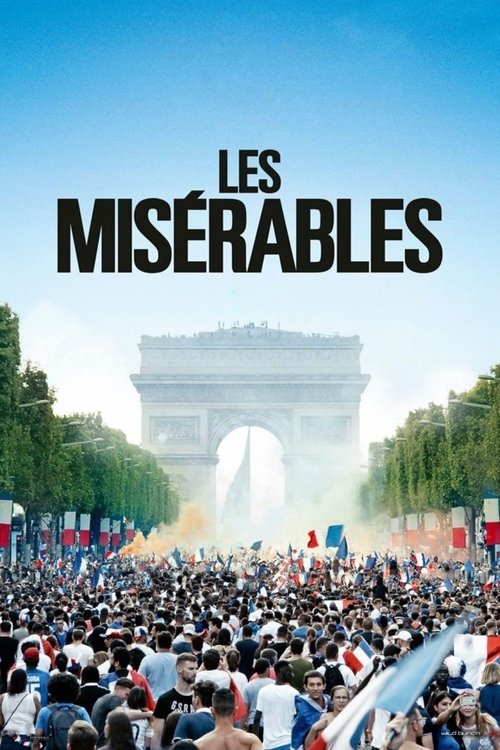
Les Misérables
Stéphane has recently joined the Anti-Crime Squad in Montfermeil, in the suburbs of Paris, France, where Victor Hugo set his famed novel “Les Miserables”. Alongside his new colleagues Chris and Gwada – both experienced members of the team – he quickly discovers tensions running high between local gangs. When the trio finds themselves overrun during the course of an arrest, a drone captures the encounter, threatening to expose the reality of everyday life.
Despite its modest budget of $2.5M, Les Misérables became a box office phenomenon, earning $54.6M worldwide—a remarkable 2084% return. The film's innovative storytelling connected with viewers, proving that strong storytelling can transcend budget limitations.
Nominated for 1 Oscar. 24 wins & 61 nominations


Plot Structure
Story beats plotted across runtime


Narrative Arc
Emotional journey through the story's key moments
Story Circle
Blueprint 15-beat structure
Arcplot Score Breakdown
Weighted: Precision (70%) + Arc (15%) + Theme (15%)
Les Misérables (2019) exhibits strategically placed narrative architecture, characteristic of Ladj Ly's storytelling approach. This structural analysis examines how the film's 15-point plot structure maps to proven narrative frameworks across 1 hour and 44 minutes. With an Arcplot score of 7.4, the film balances conventional beats with creative variation.
Characters
Cast & narrative archetypes

Stéphane
Chris
Gwada
Issa
Buzz
Le Maire
Main Cast & Characters
Stéphane
Played by Damien Bonnard
A devoted police officer in the Anti-Crime Brigade trying to maintain order in Montfermeil while navigating moral complexity.
Chris
Played by Alexis Manenti
An aggressive and cynical veteran cop who uses brutal tactics and represents the corrupted authority in the neighborhood.
Gwada
Played by Djebril Zonga
The third member of the police unit, serving as a bridge between Stéphane's idealism and Chris's brutality.
Issa
Played by Issa Perica
A young boy from the neighborhood who steals a lion cub and becomes the catalyst for escalating tensions.
Buzz
Played by Al-Hassan Ly
A teenage drone operator who records the police's actions and holds crucial evidence of their misconduct.
Le Maire
Played by Steve Tientcheu
The mayor who attempts to mediate conflicts and maintain peace between various factions in Montfermeil.
Structural Analysis
The Status Quo at 2 minutes (2% through the runtime) establishes Stéphane arrives in Montfermeil for his first day as part of the anti-crime squad, observing the diverse, tension-filled neighborhood from the police car.. The analysis reveals that this early placement immediately immerses viewers in the story world.
The inciting incident occurs at 12 minutes when A lion cub is stolen from a circus by a young boy, Issa. The theft triggers a crisis as the circus owner demands its return and threatens the fragile peace in the neighborhood.. At 12% through the film, this Disruption aligns precisely with traditional story structure. This beat shifts the emotional landscape, launching the protagonist into the central conflict.
The First Threshold at 25 minutes marks the transition into Act II, occurring at 25% of the runtime. This reveals the protagonist's commitment to The squad locates Issa and gives chase. In the pursuit, Gwada fires a Flash-Ball that strikes Issa in the face, seriously injuring the boy. They realize a drone captured the entire incident., moving from reaction to action.
At 51 minutes, the Midpoint arrives at 49% of the runtime—precisely centered, creating perfect narrative symmetry. The analysis reveals that this crucial beat The officers track down and violently interrogate Buzz in an abandoned building. They retrieve the drone and memory card, believing they've contained the situation. False victory: they think they're safe., fundamentally raising what's at risk. The emotional intensity shifts, dividing the narrative into clear before-and-after phases.
The Collapse moment at 76 minutes (74% through) represents the emotional nadir. Here, The neighborhood youth riot, trapping the three officers in their car and attacking them with Molotov cocktails and fireworks. The officers' authority completely collapses as they become hunted prey., shows the protagonist at their lowest point. This beat's placement in the final quarter sets up the climactic reversal.
The Second Threshold at 83 minutes initiates the final act resolution at 79% of the runtime. The Mayor and community leaders intervene to stop the riot. An uneasy truce is reached. Stéphane sees that the system itself—both police and community power structures—perpetuates the cycle., demonstrating the transformation achieved throughout the journey.
Emotional Journey
Les Misérables's emotional architecture traces a deliberate progression across 15 carefully calibrated beats.
Narrative Framework
This structural analysis employs structural analysis methodology used to understand storytelling architecture. By mapping Les Misérables against these established plot points, we can identify how Ladj Ly utilizes or subverts traditional narrative conventions. The plot point approach reveals not only adherence to structural principles but also creative choices that distinguish Les Misérables within the crime genre.
Comparative Analysis
Additional crime films include The Bad Guys, Rustom and The Whole Ten Yards.
Plot Points by Act
Act I
SetupStatus Quo
Stéphane arrives in Montfermeil for his first day as part of the anti-crime squad, observing the diverse, tension-filled neighborhood from the police car.
Theme
Chris warns Stéphane about the neighborhood: "Out here, things are different. You need to understand the balance." The theme of institutional power versus community justice is established.
Worldbuilding
Introduction to the complex social ecosystem of Montfermeil: rival gangs, religious leaders, the Mayor, street vendors. The squad's methods of maintaining "order" through intimidation and deals are revealed.
Disruption
A lion cub is stolen from a circus by a young boy, Issa. The theft triggers a crisis as the circus owner demands its return and threatens the fragile peace in the neighborhood.
Resistance
The squad searches for the stolen cub, navigating between different factions. Stéphane debates whether to follow Chris and Gwada's aggressive tactics or maintain proper procedure. Tensions escalate with each faction.
Act II
ConfrontationFirst Threshold
The squad locates Issa and gives chase. In the pursuit, Gwada fires a Flash-Ball that strikes Issa in the face, seriously injuring the boy. They realize a drone captured the entire incident.
Mirror World
Buzz, the young man with the drone, becomes the key figure. He represents the community's watchful eye and holds evidence that could destroy the officers. The power dynamic shifts.
Premise
The squad desperately attempts to retrieve the drone footage, making deals, threats, and pursuing Buzz through the neighborhood. The premise explores police corruption and accountability as they dig deeper into moral compromise.
Midpoint
The officers track down and violently interrogate Buzz in an abandoned building. They retrieve the drone and memory card, believing they've contained the situation. False victory: they think they're safe.
Opposition
The neighborhood's anger builds as word spreads about Issa's injury and the officers' brutality against Buzz. The gangs unite against the police. Stéphane's conscience weighs on him as he realizes the cycle of violence they've perpetuated.
Collapse
The neighborhood youth riot, trapping the three officers in their car and attacking them with Molotov cocktails and fireworks. The officers' authority completely collapses as they become hunted prey.
Crisis
The officers barricade themselves, facing the full rage of the community. Stéphane confronts the consequences of the squad's actions and his complicity. The moral darkness of the situation overwhelms them.
Act III
ResolutionSecond Threshold
The Mayor and community leaders intervene to stop the riot. An uneasy truce is reached. Stéphane sees that the system itself—both police and community power structures—perpetuates the cycle.
Synthesis
The aftermath: the officers are released but the footage still exists. Buzz confronts Stéphane with a copy of the video. The Mayor arranges for silence, but the underlying tensions remain unresolved. The cycle will continue.
Transformation
Issa, healed but marked by trauma, throws a Molotov cocktail at the camera in slow motion. The closing image mirrors the opening but shows nothing has changed—only the certainty that violence will beget more violence.