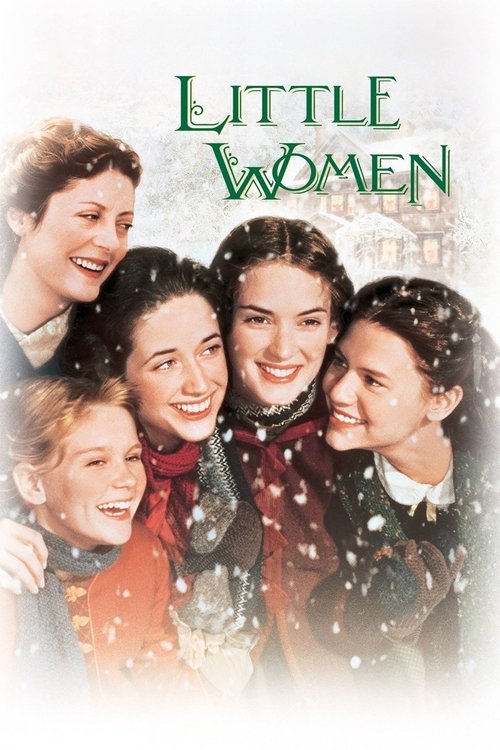
Little Women
With their father away as a chaplain in the Civil War, Jo, Meg, Beth and Amy grow up with their mother in somewhat reduced circumstances. They are a close family who inevitably have their squabbles and tragedies. But the bond holds even when, later, male friends start to become a part of the household.
Despite a mid-range budget of $18.0M, Little Women became a box office success, earning $50.1M worldwide—a 178% return.
Nominated for 3 Oscars. 6 wins & 19 nominations








Plot Structure
Story beats plotted across runtime


Narrative Arc
Emotional journey through the story's key moments
Story Circle
Blueprint 15-beat structure
Arcplot Score Breakdown
Weighted: Precision (70%) + Arc (15%) + Theme (15%)
Little Women (1994) showcases meticulously timed narrative design, characteristic of Gillian Armstrong's storytelling approach. This structural analysis examines how the film's 15-point plot structure maps to proven narrative frameworks across 1 hour and 59 minutes. With an Arcplot score of 7.6, the film showcases strong structural fundamentals.
Characters
Cast & narrative archetypes

Jo March
Amy March
Meg March
Beth March
Laurie
Marmee March
Friedrich Bhaer
Main Cast & Characters
Jo March
Played by Winona Ryder
The rebellious, ambitious second daughter who dreams of becoming a writer and resists traditional feminine roles.
Amy March
Played by Kirsten Dunst
The youngest March sister, artistic and concerned with social standing, who matures from spoiled child to refined woman.
Meg March
Played by Trini Alvarado
The eldest March sister, beautiful and traditional, who desires marriage and domesticity.
Beth March
Played by Claire Danes
The gentle, selfless third sister who loves music and serves as the moral heart of the family.
Laurie
Played by Christian Bale
The wealthy boy next door who becomes the March sisters' close friend and Jo's romantic interest.
Marmee March
Played by Susan Sarandon
The wise, compassionate mother of the March sisters who guides them with moral principles and unconditional love.
Friedrich Bhaer
Played by Gabriel Byrne
A German professor who becomes Jo's intellectual companion and eventual romantic partner.
Structural Analysis
The Status Quo at 1 minutes (1% through the runtime) establishes Opening image: The four March sisters gather warmly around Marmee in their modest home, putting on a play. Despite their poverty with Father away at war, they are together, creative, and full of life.. Significantly, this early placement immediately immerses viewers in the story world.
The inciting incident occurs at 14 minutes when Telegram arrives: Father is gravely ill in Washington. The stability of their home is shattered. Marmee must leave immediately, creating urgency and fear that fractures their safe world.. At 12% through the film, this Disruption aligns precisely with traditional story structure. This beat shifts the emotional landscape, launching the protagonist into the central conflict.
The First Threshold at 30 minutes marks the transition into Act II, occurring at 25% of the runtime. This shows the protagonist's commitment to Jo makes the active choice to pursue her writing seriously and moves to New York City to become independent. She leaves her family and childhood home, entering the adult world alone to chase her dream of being a published author., moving from reaction to action.
At 60 minutes, the Midpoint arrives at 50% of the runtime—precisely centered, creating perfect narrative symmetry. Of particular interest, this crucial beat False defeat: Beth contracts scarlet fever from the Hummel children and nearly dies. The stakes are raised - the innocent, beloved Beth is in mortal danger. This shifts the story from youthful adventures to life-and-death consequences. Jo realizes what truly matters., fundamentally raising what's at risk. The emotional intensity shifts, dividing the narrative into clear before-and-after phases.
The Collapse moment at 87 minutes (73% through) represents the emotional nadir. Here, Beth dies peacefully at home. The sister who embodied pure goodness and unconditional love is gone. Jo is devastated, having lost her closest confidante and the moral center of the family. This is the "whiff of death" - literal death of innocence and childhood., reveals the protagonist at their lowest point. This beat's placement in the final quarter sets up the climactic reversal.
The Second Threshold at 94 minutes initiates the final act resolution at 79% of the runtime. Jo realizes she must write her truth - the story of her family, her sisters, their struggles. She synthesizes Beth's love with her own ambition, understanding she can be both independent AND connected. She writes "Little Women" with authentic emotional honesty instead of melodramatic sensation., demonstrating the transformation achieved throughout the journey.
Emotional Journey
Little Women's emotional architecture traces a deliberate progression across 15 carefully calibrated beats.
Narrative Framework
This structural analysis employs a 15-point narrative structure framework that maps key story moments. By mapping Little Women against these established plot points, we can identify how Gillian Armstrong utilizes or subverts traditional narrative conventions. The plot point approach reveals not only adherence to structural principles but also creative choices that distinguish Little Women within the drama genre.
Gillian Armstrong's Structural Approach
Among the 2 Gillian Armstrong films analyzed on Arcplot, the average structural score is 7.4, reflecting strong command of classical structure. Little Women represents one of the director's most structurally precise works. For comparative analysis, explore the complete Gillian Armstrong filmography.
Comparative Analysis
Additional drama films include After Thomas, South Pacific and Dirty Dancing: Havana Nights. For more Gillian Armstrong analyses, see Death Defying Acts.
Plot Points by Act
Act I
SetupStatus Quo
Opening image: The four March sisters gather warmly around Marmee in their modest home, putting on a play. Despite their poverty with Father away at war, they are together, creative, and full of life.
Theme
Marmee tells the girls: "I only care what you think of yourselves. If you feel your value lies in being merely decorative, I fear that someday you might find yourself believing that's all that you really are." This states the film's theme about women defining their own worth.
Worldbuilding
We meet the four sisters and their distinct personalities: Jo (tomboyish writer), Meg (beauty seeking love), Beth (gentle musician), Amy (artistic and vain). We see their loving relationship with Marmee, their poverty, Laurie next door, and Aunt March. Jo sells her hair to fund Marmee's trip.
Disruption
Telegram arrives: Father is gravely ill in Washington. The stability of their home is shattered. Marmee must leave immediately, creating urgency and fear that fractures their safe world.
Resistance
The sisters must manage without Marmee. Jo sells her hair for money. We see Jo's resistance to traditional feminine roles, her bond with Laurie deepens, and she struggles with societal expectations. Beth tends to the poor Hummel family. The sisters debate their futures and desires.
Act II
ConfrontationFirst Threshold
Jo makes the active choice to pursue her writing seriously and moves to New York City to become independent. She leaves her family and childhood home, entering the adult world alone to chase her dream of being a published author.
Mirror World
Jo meets Professor Bhaer in her New York boarding house. He represents an alternative to her assumptions about love and marriage - intellectual partnership over romantic passion. He will teach her what she truly needs versus what she thinks she wants.
Premise
Jo explores independence in New York, writing sensation stories for money. Meanwhile, back home: Meg falls in love with John Brooke and marries, Amy burns Jo's manuscript in jealousy, Amy falls through ice and nearly drowns. Jo bonds with Professor Bhaer, debating literature and life.
Midpoint
False defeat: Beth contracts scarlet fever from the Hummel children and nearly dies. The stakes are raised - the innocent, beloved Beth is in mortal danger. This shifts the story from youthful adventures to life-and-death consequences. Jo realizes what truly matters.
Opposition
Beth slowly recovers but is permanently weakened. Jo returns home. Laurie proposes to Jo, but she rejects him, unable to love him romantically. Amy goes to Europe with Aunt March. Jo feels increasingly isolated and struggles with her writing. Laurie pursues Amy in Europe. Beth's health continues to decline.
Collapse
Beth dies peacefully at home. The sister who embodied pure goodness and unconditional love is gone. Jo is devastated, having lost her closest confidante and the moral center of the family. This is the "whiff of death" - literal death of innocence and childhood.
Crisis
Jo processes her grief alone, feeling she has failed everyone. She questions her choices - rejecting Laurie, pursuing selfish writing ambitions, not being there enough for Beth. She confronts the darkness of her isolation and wonders if she chose wrong.
Act III
ResolutionSecond Threshold
Jo realizes she must write her truth - the story of her family, her sisters, their struggles. She synthesizes Beth's love with her own ambition, understanding she can be both independent AND connected. She writes "Little Women" with authentic emotional honesty instead of melodramatic sensation.
Synthesis
Jo finishes her novel and negotiates fiercely with the publisher for ownership and a fair deal. Professor Bhaer returns, having read her work. Amy and Laurie return from Europe, married. Jo opens Beth's letter encouraging her to find love. Marmee helps Jo see Bhaer loves her.
Transformation
Final image: Jo runs through the rain to stop Professor Bhaer, declaring her love under her umbrella. She has transformed - no longer choosing between independence and love, but embracing both. She can be a successful author AND have partnership, on her own terms.