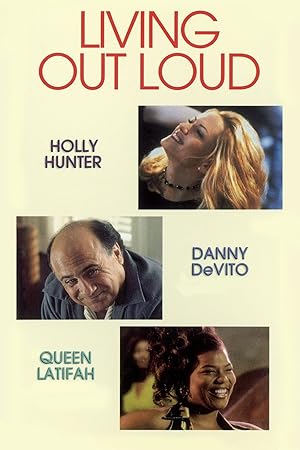
Living Out Loud
Judith Nelson quit her medical studies to marry. Years later, her husband, a physician, divorces her to be with another doctor. Deeply frustrated, she now lives alone in her luxury apartment in New York, looking for a new meaning for her life. Pat Francato, the janitor and lift-boy, has a troubled life himself: Gambling debts and the tragic death of his daughter took away all his spirit. One day, he and Judith meet in the right mood and a fragile friendship starts to grow. They can help each other to get on their feet again. But one false move could destroy everything they built so carefully.
Working with a limited budget of $12.0M, the film achieved a respectable showing with $12.9M in global revenue (+8% profit margin).


Plot Structure
Story beats plotted across runtime


Narrative Arc
Emotional journey through the story's key moments
Story Circle
Blueprint 15-beat structure
Arcplot Score Breakdown
Weighted: Precision (70%) + Arc (15%) + Theme (15%)
Living Out Loud (1998) showcases meticulously timed narrative design, characteristic of Richard LaGravenese's storytelling approach. This structural analysis examines how the film's 15-point plot structure maps to proven narrative frameworks across 1 hour and 40 minutes. With an Arcplot score of 6.7, the film balances conventional beats with creative variation.
Characters
Cast & narrative archetypes

Judith Nelson
Pat Francato
Liz Bailey
Bob Nelson
Main Cast & Characters
Judith Nelson
Played by Holly Hunter
A recently divorced woman rediscovering herself and learning to live authentically after leaving her emotionally distant husband.
Pat Francato
Played by Danny DeVito
The loquacious elevator operator in Judith's building who becomes her unlikely friend and confidant.
Liz Bailey
Played by Queen Latifah
A charismatic jazz singer and torch song performer who inspires Judith and represents passionate, uninhibited living.
Bob Nelson
Played by Martin Donovan
Judith's ex-husband, a physician who left her for a younger woman after years of emotional detachment.
Structural Analysis
The Status Quo at 1 minutes (1% through the runtime) establishes Judith Nelson sits in her upscale Manhattan apartment, a doctor's wife living a comfortable but emotionally empty existence, her privileged life about to crumble.. Notably, this early placement immediately immerses viewers in the story world.
The inciting incident occurs at 12 minutes when Judith's husband announces he's leaving her for a younger woman, destroying the comfortable illusion of her life and forcing her to confront who she is without the identity of "doctor's wife.".. At 12% through the film, this Disruption aligns precisely with traditional story structure. This beat shifts the emotional landscape, launching the protagonist into the central conflict.
The First Threshold at 25 minutes marks the transition into Act II, occurring at 25% of the runtime. This illustrates the protagonist's commitment to Judith actively chooses to explore a new life, finalizing her divorce and deciding to discover who she is beyond her former marriage. She steps into independence., moving from reaction to action.
At 49 minutes, the Midpoint arrives at 49% of the runtime—precisely centered, creating perfect narrative symmetry. Significantly, this crucial beat A romantic encounter goes badly, and Judith realizes that simply changing external circumstances won't fix her internal emptiness. The stakes raise: surface-level change isn't enough., fundamentally raising what's at risk. The emotional intensity shifts, dividing the narrative into clear before-and-after phases.
The Collapse moment at 74 minutes (74% through) represents the emotional nadir. Here, Pat dies suddenly, and Judith loses the person who most encouraged her to live authentically. This "whiff of death" represents the death of Judith's guided transformation and forces her to find her own voice., indicates the protagonist at their lowest point. This beat's placement in the final quarter sets up the climactic reversal.
The Second Threshold at 80 minutes initiates the final act resolution at 80% of the runtime. Judith has a realization that Pat's lesson was about being true to herself, not becoming someone else. She synthesizes her privileged background with newfound authenticity, understanding she can honor both., demonstrating the transformation achieved throughout the journey.
Emotional Journey
Living Out Loud's emotional architecture traces a deliberate progression across 15 carefully calibrated beats.
Narrative Framework
This structural analysis employs structural analysis methodology used to understand storytelling architecture. By mapping Living Out Loud against these established plot points, we can identify how Richard LaGravenese utilizes or subverts traditional narrative conventions. The plot point approach reveals not only adherence to structural principles but also creative choices that distinguish Living Out Loud within the comedy genre.
Richard LaGravenese's Structural Approach
Among the 4 Richard LaGravenese films analyzed on Arcplot, the average structural score is 7.1, reflecting strong command of classical structure. Living Out Loud takes a more unconventional approach compared to the director's typical style. For comparative analysis, explore the complete Richard LaGravenese filmography.
Comparative Analysis
Additional comedy films include The Bad Guys, Ella Enchanted and The Evening Star. For more Richard LaGravenese analyses, see P.S. I Love You, Beautiful Creatures and Freedom Writers.
Plot Points by Act
Act I
SetupStatus Quo
Judith Nelson sits in her upscale Manhattan apartment, a doctor's wife living a comfortable but emotionally empty existence, her privileged life about to crumble.
Theme
Pat the elevator operator tells Judith, "You gotta live out loud, honey," suggesting the central question: Can you find your authentic self after living someone else's life?
Worldbuilding
Judith's world is established: wealthy doctor husband, no children, filling time with therapy and passive existence. We meet the building staff including Eddie the superintendent who harbors feelings for her. Her marriage is revealed as loveless.
Disruption
Judith's husband announces he's leaving her for a younger woman, destroying the comfortable illusion of her life and forcing her to confront who she is without the identity of "doctor's wife."
Resistance
Judith processes the divorce, resisting change and uncertain how to move forward. She receives guidance from Pat and begins tentative interactions with Eddie, who represents a different kind of life and authenticity.
Act II
ConfrontationFirst Threshold
Judith actively chooses to explore a new life, finalizing her divorce and deciding to discover who she is beyond her former marriage. She steps into independence.
Mirror World
Judith's deepening friendship with Pat and growing connection with Eddie represent the thematic counterpoint: working-class authenticity versus upper-class pretense. These relationships will teach her what genuine connection means.
Premise
Judith explores her new identity: dating, developing real friendships with Pat and Eddie, attempting independence. She experiments with who she might become, making awkward attempts at romance and self-discovery.
Midpoint
A romantic encounter goes badly, and Judith realizes that simply changing external circumstances won't fix her internal emptiness. The stakes raise: surface-level change isn't enough.
Opposition
Judith's attempts at reinvention face increasing obstacles. Her old patterns reassert themselves, relationships become complicated, and she struggles between her former identity and her authentic self. Eddie's own struggles with unrequited love parallel her journey.
Collapse
Pat dies suddenly, and Judith loses the person who most encouraged her to live authentically. This "whiff of death" represents the death of Judith's guided transformation and forces her to find her own voice.
Crisis
Judith processes the grief of losing Pat and confronts the darkness of potentially returning to her old, safe, emotionally dead existence. She must decide whether to truly live out loud or retreat.
Act III
ResolutionSecond Threshold
Judith has a realization that Pat's lesson was about being true to herself, not becoming someone else. She synthesizes her privileged background with newfound authenticity, understanding she can honor both.
Synthesis
Judith takes authentic action, making genuine connections and choices that reflect her true self rather than others' expectations. She navigates her relationship with Eddie from a place of honesty and emotional availability.
Transformation
Judith is shown living authentically and joyfully, having found her voice and identity. She embodies Pat's advice, living out loud on her own terms, transformed from passive observer to active participant in her own life.