
Logan's Run
In the 23rd century, inhabitants of a domed city freely experience all of life's pleasures — but no one is allowed to live past 30. Citizens can try for a chance at being "renewed" in a civic ceremony on their 30th birthday. Escape is the only other option.
Despite its tight budget of $9.0M, Logan's Run became a financial success, earning $25.0M worldwide—a 178% return.
Nominated for 2 Oscars. 7 wins & 5 nominations


Plot Structure
Story beats plotted across runtime


Narrative Arc
Emotional journey through the story's key moments
Story Circle
Blueprint 15-beat structure
Arcplot Score Breakdown
Weighted: Precision (70%) + Arc (15%) + Theme (15%)
Logan's Run (1976) showcases carefully calibrated plot construction, characteristic of Michael Anderson's storytelling approach. This structural analysis examines how the film's 15-point plot structure maps to proven narrative frameworks across 1 hour and 59 minutes. With an Arcplot score of 6.5, the film balances conventional beats with creative variation.
Characters
Cast & narrative archetypes
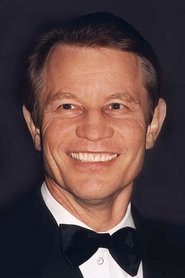
Logan 5

Jessica 6
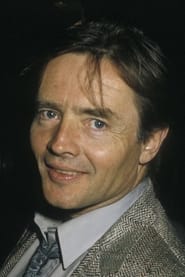
Francis 7
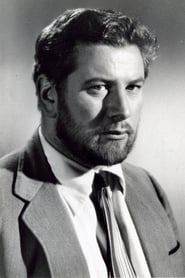
Old Man
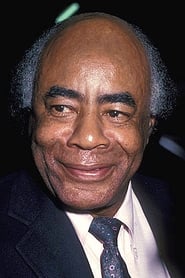
Box
Main Cast & Characters
Logan 5
Played by Michael York
A Sandman tasked with terminating Runners who discovers the truth about his society and becomes a fugitive himself.
Jessica 6
Played by Jenny Agutter
A young woman seeking Sanctuary who becomes Logan's companion in his journey to discover the truth.
Francis 7
Played by Richard Jordan
Logan's partner and best friend, a dedicated Sandman who pursues Logan when he becomes a Runner.
Old Man
Played by Peter Ustinov
The first elderly person Logan and Jessica encounter outside the dome, proving that life exists beyond 30.
Box
Played by Roscoe Lee Browne
A robot caretaker in the ice caverns who has been freezing humans instead of preserving food.
Structural Analysis
The Status Quo at 1 minutes (1% through the runtime) establishes The domed city reveals its sterile utopia: citizens live in pleasure until age 30, when their life-clocks blink red and they submit to Carousel, believing in renewal. Logan 5 watches from above, a Sandman enforcing the system.. The analysis reveals that this early placement immediately immerses viewers in the story world.
The inciting incident occurs at 14 minutes when The central computer accelerates Logan's life-clock by four years, making him a red-blinking 30-year-old marked for death. His mission: infiltrate the runners, find Sanctuary, and destroy it. Logan's comfortable existence shatters.. At 12% through the film, this Disruption aligns precisely with traditional story structure. This beat shifts the emotional landscape, launching the protagonist into the central conflict.
The First Threshold at 30 minutes marks the transition into Act II, occurring at 25% of the runtime. This shows the protagonist's commitment to Logan removes his Sandman weapon and commits to running. He and Jessica descend into the Cathedral, entering the hidden world of runners. There is no going back—he has betrayed his oath and become the hunted., moving from reaction to action.
At 60 minutes, the Midpoint arrives at 50% of the runtime—precisely centered, creating perfect narrative symmetry. Of particular interest, this crucial beat Logan and Jessica emerge from the dome into the outside world—sunlight, plants, water. The false victory: Sanctuary appears to be the entire world outside, not a hidden place. They believe they've found freedom and truth., fundamentally raising what's at risk. The emotional intensity shifts, dividing the narrative into clear before-and-after phases.
The Collapse moment at 89 minutes (75% through) represents the emotional nadir. Here, Francis catches up to Logan in the ruined Senate chamber. In brutal combat, Logan is forced to kill his best friend and former partner. Francis dies still believing in the lie of renewal, a whiff of death that haunts Logan., illustrates the protagonist at their lowest point. This beat's placement in the final quarter sets up the climactic reversal.
The Second Threshold at 95 minutes initiates the final act resolution at 80% of the runtime. Logan decides he must return to the dome to free his people from the lie. Armed with truth and accompanied by Jessica, he chooses to confront the computer system directly. He synthesizes runner rebellion with Sandman knowledge., demonstrating the transformation achieved throughout the journey.
Emotional Journey
Logan's Run's emotional architecture traces a deliberate progression across 15 carefully calibrated beats.
Narrative Framework
This structural analysis employs proven narrative structure principles that track dramatic progression. By mapping Logan's Run against these established plot points, we can identify how Michael Anderson utilizes or subverts traditional narrative conventions. The plot point approach reveals not only adherence to structural principles but also creative choices that distinguish Logan's Run within the action genre.
Michael Anderson's Structural Approach
Among the 3 Michael Anderson films analyzed on Arcplot, the average structural score is 7.0, reflecting strong command of classical structure. Logan's Run takes a more unconventional approach compared to the director's typical style. For comparative analysis, explore the complete Michael Anderson filmography.
Comparative Analysis
Additional action films include The Bad Guys, Puss in Boots and Venom: The Last Dance. For more Michael Anderson analyses, see Orca, Around the World in 80 Days.
Plot Points by Act
Act I
SetupStatus Quo
The domed city reveals its sterile utopia: citizens live in pleasure until age 30, when their life-clocks blink red and they submit to Carousel, believing in renewal. Logan 5 watches from above, a Sandman enforcing the system.
Theme
A runner pleads "I don't want to die!" before Logan terminates him. The desperate cry articulates the film's central question: is a controlled, brief existence worth living if it denies the fundamental human drive to survive?
Worldbuilding
The dome's hedonistic world is established: the Circuit for anonymous sex, Carousel's ritual sacrifice disguised as rebirth, and the Sandmen who hunt those who reject their mandated death. Logan enjoys his privileged life as enforcer.
Disruption
The central computer accelerates Logan's life-clock by four years, making him a red-blinking 30-year-old marked for death. His mission: infiltrate the runners, find Sanctuary, and destroy it. Logan's comfortable existence shatters.
Resistance
Logan debates his mission and mortality. He seeks out Jessica 6, a woman connected to the underground. She distrusts him as a Sandman, but Logan's desperation is genuine. He must convince her while questioning everything he believed.
Act II
ConfrontationFirst Threshold
Logan removes his Sandman weapon and commits to running. He and Jessica descend into the Cathedral, entering the hidden world of runners. There is no going back—he has betrayed his oath and become the hunted.
Mirror World
Jessica reveals her vulnerability and growing trust in Logan. Their relationship deepens beyond mission necessity—she represents authentic human connection versus the dome's empty Circuit encounters. She embodies the life worth living for.
Premise
Logan and Jessica navigate the dome's underbelly: the frozen Cathedral, Box's icy lair of preserved runners, and the terrifying robot that tried to freeze them. They escape through tunnels, discovering the system's dark secrets.
Midpoint
Logan and Jessica emerge from the dome into the outside world—sunlight, plants, water. The false victory: Sanctuary appears to be the entire world outside, not a hidden place. They believe they've found freedom and truth.
Opposition
Francis, Logan's former partner, relentlessly pursues them through the overgrown ruins of Washington D.C. Logan and Jessica discover the Old Man and learn that aging is natural, but Francis closes in, and Logan must confront his past.
Collapse
Francis catches up to Logan in the ruined Senate chamber. In brutal combat, Logan is forced to kill his best friend and former partner. Francis dies still believing in the lie of renewal, a whiff of death that haunts Logan.
Crisis
Logan grieves Francis and grapples with returning to the dome. He has proof that life continues past 30, that Carousel is murder, but the cost has been devastating. Jessica and the Old Man wait as Logan resolves what must be done.
Act III
ResolutionSecond Threshold
Logan decides he must return to the dome to free his people from the lie. Armed with truth and accompanied by Jessica, he chooses to confront the computer system directly. He synthesizes runner rebellion with Sandman knowledge.
Synthesis
Logan returns and is captured, interrogated by the computer. When he insists there is no Sanctuary—only freedom outside—the computer cannot process this truth and self-destructs. The dome explodes, freeing the citizens into the real world.
Transformation
The dome's citizens emerge into sunlight, touching the Old Man's wrinkled face in wonder—proof that life continues. Logan and Jessica stand together, no longer Sandman and runner but free humans facing a natural lifespan. Renewal is real, but not in Carousel.