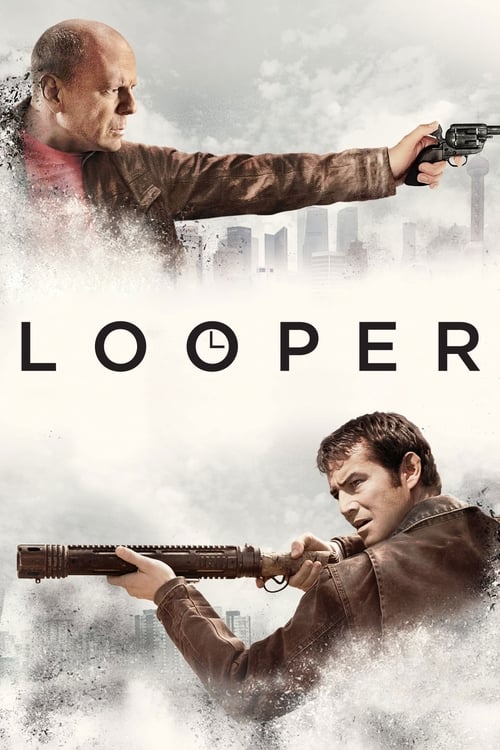
Looper
In the year 2044, time travel has not yet been invented but in 30 years it will have been. When the mob wants to get rid of someone, they will send their target into the past where a looper, a hired gun, like Joe is waiting to mop up. Joe is getting rich and life is good until the day the mob decides to close the loop, sending back Joe's future self for assassination.
Working with a respectable budget of $30.0M, the film achieved a respectable showing with $47.0M in global revenue (+57% profit margin).
18 wins & 47 nominations


Plot Structure
Story beats plotted across runtime


Narrative Arc
Emotional journey through the story's key moments
Story Circle
Blueprint 15-beat structure
Arcplot Score Breakdown
Weighted: Precision (70%) + Arc (15%) + Theme (15%)
Looper (2012) showcases meticulously timed plot construction, characteristic of Rian Johnson's storytelling approach. This structural analysis examines how the film's 15-point plot structure maps to proven narrative frameworks across 1 hour and 58 minutes. With an Arcplot score of 6.6, the film balances conventional beats with creative variation.
Structural Analysis
The Status Quo at 1 minutes (1% through the runtime) establishes Young Joe waits in a Kansas field with a blunderbuss, executing a hooded target sent back from the future. His voiceover explains the brutal efficiency of his work as a looper, establishing his cold, transactional existence.. Notably, this early placement immediately immerses viewers in the story world.
The inciting incident occurs at 15 minutes when Joe's target arrives unhooded and without silver - it's his older self. Old Joe overpowers Young Joe, escaping into 2044. Joe has failed to close his loop, the cardinal sin that puts his life in immediate danger from Abe's organization.. At 12% through the film, this Disruption aligns precisely with traditional story structure. This beat shifts the emotional landscape, launching the protagonist into the central conflict.
The First Threshold at 30 minutes marks the transition into Act II, occurring at 26% of the runtime. This reveals the protagonist's commitment to At the diner confrontation, Old Joe reveals his mission: kill the child Rainmaker before he grows up to murder Joe's wife and close all loops. Young Joe refuses to help, choosing to hunt his older self. Both versions commit to their paths - one to save the future, one to preserve the present., moving from reaction to action.
At 60 minutes, the Midpoint arrives at 50% of the runtime—precisely centered, creating perfect narrative symmetry. The analysis reveals that this crucial beat Cid's terrifying telekinetic powers are revealed when he kills Jesse in an explosive outburst. Young Joe realizes Cid IS the future Rainmaker - the child Old Joe is hunting is right here. The stakes crystallize: Sara's son will become the monster unless something changes., fundamentally raising what's at risk. The emotional intensity shifts, dividing the narrative into clear before-and-after phases.
The Collapse moment at 89 minutes (75% through) represents the emotional nadir. Here, Old Joe arrives at the farm and attacks. In the chaos, Kid Blue and Abe's men assault the property. Sara is wounded and Cid flees into the cane fields. Young Joe realizes he cannot stop Old Joe through violence - every action seems to lead toward the Rainmaker's creation, not prevent it., indicates the protagonist at their lowest point. This beat's placement in the final quarter sets up the climactic reversal.
The Second Threshold at 95 minutes initiates the final act resolution at 81% of the runtime. Young Joe has his epiphany: "Then I saw it. I saw a mom who would die for her son. A man who would kill for his wife. A boy, angry and alone. I saw the path I made for him." He understands that the only way to break the loop is to remove himself from it entirely., demonstrating the transformation achieved throughout the journey.
Emotional Journey
Looper's emotional architecture traces a deliberate progression across 15 carefully calibrated beats.
Narrative Framework
This structural analysis employs systematic plot point analysis that identifies crucial turning points. By mapping Looper against these established plot points, we can identify how Rian Johnson utilizes or subverts traditional narrative conventions. The plot point approach reveals not only adherence to structural principles but also creative choices that distinguish Looper within the action genre.
Rian Johnson's Structural Approach
Among the 6 Rian Johnson films analyzed on Arcplot, the average structural score is 6.7, demonstrating varied approaches to story architecture. Looper takes a more unconventional approach compared to the director's typical style. For comparative analysis, explore the complete Rian Johnson filmography.
Comparative Analysis
Additional action films include The Bad Guys, Puss in Boots and Venom: The Last Dance. For more Rian Johnson analyses, see Star Wars: The Last Jedi, Wake Up Dead Man: A Knives Out Mystery and Glass Onion: A Knives Out Mystery.
Plot Points by Act
Act I
SetupStatus Quo
Young Joe waits in a Kansas field with a blunderbuss, executing a hooded target sent back from the future. His voiceover explains the brutal efficiency of his work as a looper, establishing his cold, transactional existence.
Theme
Abe tells Joe, "This time travel crap, just fries your brain like an egg." The crime boss from the future warns about the futility of trying to outsmart fate and time, foreshadowing that attempts to change the future through violence only perpetuate cycles of destruction.
Worldbuilding
The dystopian 2044 Kansas City is established: loopers execute victims sent from 2074, paid in silver bars strapped to targets. Joe's routine of drugs, partying, and saving silver for France is shown. Seth reveals the Rainmaker is closing all loops in the future, creating panic among loopers.
Disruption
Joe's target arrives unhooded and without silver - it's his older self. Old Joe overpowers Young Joe, escaping into 2044. Joe has failed to close his loop, the cardinal sin that puts his life in immediate danger from Abe's organization.
Resistance
Young Joe evades Abe's gat men while trying to hunt Old Joe. The horrifying fate of Seth, whose older self also escaped, is revealed - the organization mutilates the young version, causing the old version to lose limbs in real-time. Joe understands the stakes: kill Old Joe or suffer the same fate.
Act II
ConfrontationFirst Threshold
At the diner confrontation, Old Joe reveals his mission: kill the child Rainmaker before he grows up to murder Joe's wife and close all loops. Young Joe refuses to help, choosing to hunt his older self. Both versions commit to their paths - one to save the future, one to preserve the present.
Mirror World
Young Joe arrives at Sara's isolated farmhouse, where she lives with her son Cid. Sara represents an alternate path - a mother fighting to raise her potentially dangerous son with love rather than violence. She becomes the thematic mirror showing Joe what protection through love looks like.
Premise
Young Joe hides at Sara's farm, waiting for Old Joe to come. He bonds with the strange, intelligent Cid and develops feelings for Sara. Meanwhile, Old Joe systematically hunts children who could become the Rainmaker, driven by memories of his wife. The parallel timelines of both Joes unfold.
Midpoint
Cid's terrifying telekinetic powers are revealed when he kills Jesse in an explosive outburst. Young Joe realizes Cid IS the future Rainmaker - the child Old Joe is hunting is right here. The stakes crystallize: Sara's son will become the monster unless something changes.
Opposition
Young Joe must protect Cid from Old Joe while grappling with the knowledge of who Cid becomes. Old Joe massacres his way through the city, desperate to complete his mission. Abe's men close in on the farm. The three-way conflict intensifies as each party races toward inevitable confrontation.
Collapse
Old Joe arrives at the farm and attacks. In the chaos, Kid Blue and Abe's men assault the property. Sara is wounded and Cid flees into the cane fields. Young Joe realizes he cannot stop Old Joe through violence - every action seems to lead toward the Rainmaker's creation, not prevent it.
Crisis
Young Joe witnesses Old Joe's relentless pursuit of Cid through the cane fields. He sees the loop forming: if Old Joe kills Sara, Cid's rage and trauma will forge him into the Rainmaker. Every path leads to the same future. Joe confronts the impossibility of breaking the cycle through conventional means.
Act III
ResolutionSecond Threshold
Young Joe has his epiphany: "Then I saw it. I saw a mom who would die for her son. A man who would kill for his wife. A boy, angry and alone. I saw the path I made for him." He understands that the only way to break the loop is to remove himself from it entirely.
Synthesis
Old Joe raises his gun at Sara as she shields Cid. Young Joe sees the moment that will create the Rainmaker playing out. He cannot reach Old Joe in time to stop the shot. Understanding that his existence is the source of the loop, Young Joe makes the ultimate choice.
Transformation
Young Joe turns the blunderbuss on himself and fires. Old Joe vanishes mid-action, erased from existence. Sara lives. Cid sees a man sacrifice himself for them - not violence, but love. The loop is broken. Joe transforms from a selfish killer into someone who gave everything to save others.