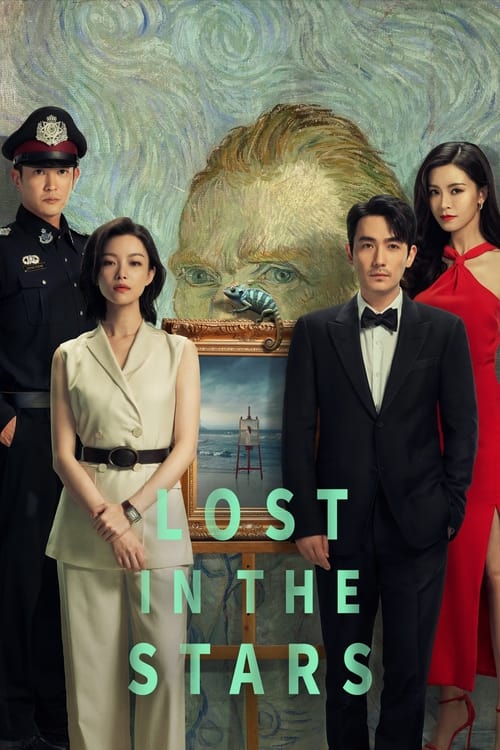
Lost in the Stars
He Fei's wife, Li Muzi, disappears during their anniversary trip. When she reappears, he insists that she is not his wife. As Chen Mai, a top lawyer gets involved in this bizarre case, more mysteries start to emerge.
Despite its tight budget of $9.5M, Lost in the Stars became a massive hit, earning $334.0M worldwide—a remarkable 3416% return. The film's compelling narrative found its audience, showing that strong storytelling can transcend budget limitations.
27 wins & 25 nominations
Plot Structure
Story beats plotted across runtime


Narrative Arc
Emotional journey through the story's key moments
Story Circle
Blueprint 15-beat structure
Arcplot Score Breakdown
Weighted: Precision (70%) + Arc (15%) + Theme (15%)
Lost in the Stars (2023) exhibits deliberately positioned story structure, characteristic of Xiang Liu's storytelling approach. This structural analysis examines how the film's 15-point plot structure maps to proven narrative frameworks across 2 hours and 2 minutes. With an Arcplot score of 7.0, the film balances conventional beats with creative variation.
Structural Analysis
The Status Quo at 1 minutes (1% through the runtime) establishes He Fei and Li Muzi arrive at a tropical resort for their honeymoon, appearing as a newlywed couple embarking on what should be a romantic getaway.. Significantly, this early placement immediately immerses viewers in the story world.
The inciting incident occurs at 15 minutes when Li Muzi vanishes without a trace from the resort. He Fei returns to find her missing, launching a desperate search that will unravel everything he thought he knew.. At 12% through the film, this Disruption aligns precisely with traditional story structure. This beat shifts the emotional landscape, launching the protagonist into the central conflict.
The First Threshold at 31 minutes marks the transition into Act II, occurring at 25% of the runtime. This illustrates the protagonist's commitment to He Fei makes the active decision to fully commit to his own investigation, digging into his wife's background and their relationship history, crossing into a world of deception he cannot return from., moving from reaction to action.
At 61 minutes, the Midpoint arrives at 50% of the runtime—precisely centered, creating perfect narrative symmetry. The analysis reveals that this crucial beat A major revelation: He Fei discovers evidence suggesting Li Muzi may have orchestrated her own disappearance, or that she was never who she claimed to be. The investigation shifts from finding her to understanding the truth., fundamentally raising what's at risk. The emotional intensity shifts, dividing the narrative into clear before-and-after phases.
The Collapse moment at 92 minutes (75% through) represents the emotional nadir. Here, The complete revelation of the conspiracy: the full scope of betrayal is exposed. He Fei's world collapses as he confronts the death of his illusions about his marriage, his wife, and possibly his own innocence., demonstrates the protagonist at their lowest point. This beat's placement in the final quarter sets up the climactic reversal.
The Second Threshold at 98 minutes initiates the final act resolution at 80% of the runtime. Armed with the complete truth and a new understanding, He Fei makes a final choice about how to resolve the situation - synthesizing what he's learned with decisive action., demonstrating the transformation achieved throughout the journey.
Emotional Journey
Lost in the Stars's emotional architecture traces a deliberate progression across 15 carefully calibrated beats.
Narrative Framework
This structural analysis employs structural analysis methodology used to understand storytelling architecture. By mapping Lost in the Stars against these established plot points, we can identify how Xiang Liu utilizes or subverts traditional narrative conventions. The plot point approach reveals not only adherence to structural principles but also creative choices that distinguish Lost in the Stars within the mystery genre.
Comparative Analysis
Additional mystery films include Lone Star, The Wicker Man and A Soldier's Story.
Plot Points by Act
Act I
SetupStatus Quo
He Fei and Li Muzi arrive at a tropical resort for their honeymoon, appearing as a newlywed couple embarking on what should be a romantic getaway.
Theme
A resort employee mentions that "paradise can hide darkness" - establishing the film's central theme about deceptive appearances and hidden truths beneath beautiful surfaces.
Worldbuilding
Introduction to He Fei and Li Muzi's relationship dynamics, the exotic resort setting, and the supporting characters including Chen Mai and other tourists. Establishes their marriage and the tropical paradise environment.
Disruption
Li Muzi vanishes without a trace from the resort. He Fei returns to find her missing, launching a desperate search that will unravel everything he thought he knew.
Resistance
He Fei frantically searches for his wife, encounters local police skepticism, debates whether to trust authorities, and begins investigating on his own. He struggles with whether to involve more people or handle it privately.
Act II
ConfrontationFirst Threshold
He Fei makes the active decision to fully commit to his own investigation, digging into his wife's background and their relationship history, crossing into a world of deception he cannot return from.
Mirror World
Introduction of Chen Mai as a key figure who represents an alternative perspective on truth and relationships. Her subplot will carry the thematic weight about trust and betrayal.
Premise
The investigation unfolds with twists and revelations. He Fei discovers unsettling truths about his wife's past, explores the resort's secrets, and uncovers a web of lies. The thriller premise delivers its promised suspense.
Midpoint
A major revelation: He Fei discovers evidence suggesting Li Muzi may have orchestrated her own disappearance, or that she was never who she claimed to be. The investigation shifts from finding her to understanding the truth.
Opposition
The truth closes in from all sides. Evidence mounts against He Fei himself, authorities grow suspicious, and the layers of deception multiply. His own secrets and possible guilt emerge as obstacles.
Collapse
The complete revelation of the conspiracy: the full scope of betrayal is exposed. He Fei's world collapses as he confronts the death of his illusions about his marriage, his wife, and possibly his own innocence.
Crisis
He Fei processes the devastating truth in emotional darkness. He must confront who he really is, what he's done, and decide what kind of person he will choose to be going forward.
Act III
ResolutionSecond Threshold
Armed with the complete truth and a new understanding, He Fei makes a final choice about how to resolve the situation - synthesizing what he's learned with decisive action.
Synthesis
The final confrontation and resolution. All deceptions are fully exposed, justice or consequences are delivered, and the narrative threads converge to their conclusion.
Transformation
The closing image reveals He Fei's transformed state - no longer the naive husband from the opening, but someone who has seen through deception at a terrible cost. The paradise is revealed as the trap it always was.