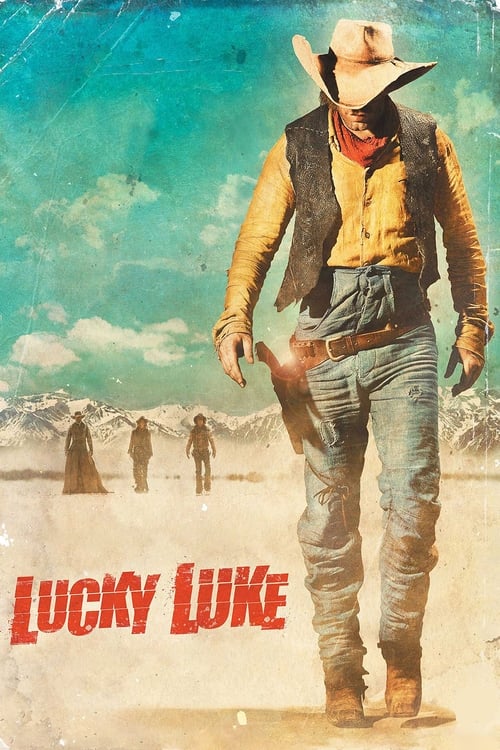
Lucky Luke
Fearless gunslinger, Lucky Luke, is ordered by the President to bring peace to Daisy Town.
The film disappointed at the box office against its moderate budget of $27.0M, earning $17.9M globally (-34% loss). While initial box office returns were modest, the film has gained appreciation for its innovative storytelling within the comedy genre.


Plot Structure
Story beats plotted across runtime


Narrative Arc
Emotional journey through the story's key moments
Story Circle
Blueprint 15-beat structure
Arcplot Score Breakdown
Weighted: Precision (70%) + Arc (15%) + Theme (15%)
Lucky Luke (2009) exemplifies carefully calibrated narrative architecture, characteristic of James Huth's storytelling approach. This structural analysis examines how the film's 15-point plot structure maps to proven narrative frameworks across 1 hour and 43 minutes. With an Arcplot score of 7.3, the film balances conventional beats with creative variation.
Characters
Cast & narrative archetypes

Lucky Luke
Jolly Jumper
Billy The Kid
Calamity Jane
Pat Poker
Belle
Main Cast & Characters
Lucky Luke
Played by Jean Dujardin
A legendary cowboy who shoots faster than his shadow, tasked with bringing peace to Daisy Town.
Jolly Jumper
Played by Melvil Poupaud
Lucky Luke's highly intelligent and loyal horse, his constant companion and voice of reason.
Billy The Kid
Played by Michael Youn
A notorious outlaw and antagonist who terrorizes Daisy Town with his gang.
Calamity Jane
Played by Sylvie Testud
A tough and independent frontierswoman who becomes Lucky Luke's romantic interest and ally.
Pat Poker
Played by Daniel Prévost
The bumbling and cowardly saloon owner of Daisy Town who seeks Lucky Luke's protection.
Belle
Played by Alexandra Lamy
A saloon singer and performer who provides entertainment in Daisy Town.
Structural Analysis
The Status Quo at 1 minutes (1% through the runtime) establishes Young Luke witnesses the murder of his parents by outlaws in the Old West. This traumatic origin establishes him as a solitary figure shaped by violence, setting up his life as the fastest gunslinger who shoots to disarm rather than kill.. Notably, this early placement immediately immerses viewers in the story world.
The inciting incident occurs at 13 minutes when Lucky Luke receives word that the town of Daisy Town is under threat from Pat Poker, a corrupt businessman and gambler who has taken control. The President assigns Luke to bring order to the lawless town, pulling him from his solitary wandering into direct conflict.. At 12% through the film, this Disruption aligns precisely with traditional story structure. This beat shifts the emotional landscape, launching the protagonist into the central conflict.
The First Threshold at 26 minutes marks the transition into Act II, occurring at 26% of the runtime. This shows the protagonist's commitment to Lucky Luke rides into Daisy Town and announces himself as the new sheriff, directly challenging Pat Poker's authority. This active choice commits him to the conflict and marks his entry into the corrupt world he must clean up., moving from reaction to action.
At 52 minutes, the Midpoint arrives at 50% of the runtime—precisely centered, creating perfect narrative symmetry. Structural examination shows that this crucial beat Lucky Luke achieves a major victory against Pat Poker's operation, seemingly breaking his hold on the town. The townspeople celebrate and Luke appears to have won. However, this is a false victory - Pat Poker has been holding back his true power and now reveals a deeper, more dangerous plan., fundamentally raising what's at risk. The emotional intensity shifts, dividing the narrative into clear before-and-after phases.
The Collapse moment at 77 minutes (74% through) represents the emotional nadir. Here, Pat Poker captures Belle and threatens to kill her unless Luke leaves town forever. A mentor figure or innocent townsperson is killed, bringing the whiff of death. Luke faces his deepest fear - that his presence brings destruction to those he tries to protect, just as violence took his parents., reveals the protagonist at their lowest point. This beat's placement in the final quarter sets up the climactic reversal.
The Second Threshold at 83 minutes initiates the final act resolution at 81% of the runtime. Luke realizes that true heroism means protecting others even at personal cost. He synthesizes his gunfighting skills with his newfound understanding of community and love. He turns Jolly Jumper around and rides back to Daisy Town for the final confrontation, no longer fighting alone but for something greater., demonstrating the transformation achieved throughout the journey.
Emotional Journey
Lucky Luke's emotional architecture traces a deliberate progression across 15 carefully calibrated beats.
Narrative Framework
This structural analysis employs systematic plot point analysis that identifies crucial turning points. By mapping Lucky Luke against these established plot points, we can identify how James Huth utilizes or subverts traditional narrative conventions. The plot point approach reveals not only adherence to structural principles but also creative choices that distinguish Lucky Luke within the comedy genre.
James Huth's Structural Approach
Among the 2 James Huth films analyzed on Arcplot, the average structural score is 7.2, reflecting strong command of classical structure. Lucky Luke represents one of the director's most structurally precise works. For comparative analysis, explore the complete James Huth filmography.
Comparative Analysis
Additional comedy films include The Bad Guys, Ella Enchanted and The Evening Star. For more James Huth analyses, see The Brice Man.
Plot Points by Act
Act I
SetupStatus Quo
Young Luke witnesses the murder of his parents by outlaws in the Old West. This traumatic origin establishes him as a solitary figure shaped by violence, setting up his life as the fastest gunslinger who shoots to disarm rather than kill.
Theme
A character remarks on the nature of justice and whether a man can outrun his past. The theme questions whether vengeance or mercy defines true heroism, and whether one can find peace while carrying the burden of loss.
Worldbuilding
The Wild West is established as a lawless frontier. Lucky Luke is introduced as a legendary gunslinger with his horse Jolly Jumper. We see his reputation, his code of shooting weapons from hands rather than killing, and the quirky world of Western archetypes including the bumbling Dalton brothers.
Disruption
Lucky Luke receives word that the town of Daisy Town is under threat from Pat Poker, a corrupt businessman and gambler who has taken control. The President assigns Luke to bring order to the lawless town, pulling him from his solitary wandering into direct conflict.
Resistance
Luke debates whether to take on the mission to Daisy Town. He prepares for the journey, gathering information about Pat Poker's operations. Jolly Jumper serves as his sardonic companion and conscience. Luke wrestles with returning to a town that may remind him of his traumatic past.
Act II
ConfrontationFirst Threshold
Lucky Luke rides into Daisy Town and announces himself as the new sheriff, directly challenging Pat Poker's authority. This active choice commits him to the conflict and marks his entry into the corrupt world he must clean up.
Mirror World
Luke meets Belle, a saloon singer and the heart of Daisy Town's resistance against Pat Poker. She represents what's worth fighting for - community, hope, and the possibility of connection. Their relationship will teach Luke that he doesn't have to be alone in his quest for justice.
Premise
Lucky Luke establishes himself as sheriff through a series of comedic and action-packed confrontations. He outdraws, outwits, and outmaneuvers Pat Poker's henchmen. The Dalton brothers provide comic relief as incompetent outlaws. Luke begins winning the townspeople's trust while developing feelings for Belle.
Midpoint
Lucky Luke achieves a major victory against Pat Poker's operation, seemingly breaking his hold on the town. The townspeople celebrate and Luke appears to have won. However, this is a false victory - Pat Poker has been holding back his true power and now reveals a deeper, more dangerous plan.
Opposition
Pat Poker retaliates with full force. He brings in more dangerous outlaws, threatens the townspeople, and begins targeting those close to Luke. Belle is endangered. The Daltons inadvertently cause problems. Luke's past trauma resurfaces as the violence escalates, testing his commitment to his no-kill code.
Collapse
Pat Poker captures Belle and threatens to kill her unless Luke leaves town forever. A mentor figure or innocent townsperson is killed, bringing the whiff of death. Luke faces his deepest fear - that his presence brings destruction to those he tries to protect, just as violence took his parents.
Crisis
Luke retreats from Daisy Town, seemingly defeated. He rides alone into the desert, wrestling with his demons. Jolly Jumper provides wisdom about running versus standing. Luke must confront whether he will repeat the pattern of loss or finally stand and fight for what he loves.
Act III
ResolutionSecond Threshold
Luke realizes that true heroism means protecting others even at personal cost. He synthesizes his gunfighting skills with his newfound understanding of community and love. He turns Jolly Jumper around and rides back to Daisy Town for the final confrontation, no longer fighting alone but for something greater.
Synthesis
Luke returns to Daisy Town for the climactic showdown. The townspeople rally behind him. He confronts Pat Poker in a final duel, defeating him with his legendary quick draw while maintaining his code of shooting to disarm. Belle is rescued. The Daltons are captured. Justice is restored to Daisy Town.
Transformation
Lucky Luke rides off into the sunset, but this time with the knowledge that he has found a place where he belongs and people who care for him. He sings his signature tune as he and Jolly Jumper head toward new adventures, transformed from a lonely avenger into a hero who fights for community and connection.