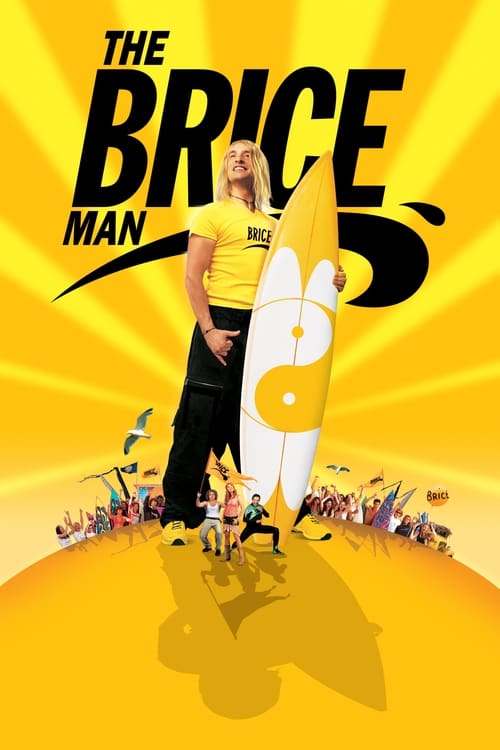
The Brice Man
A wannabe surfer parties on the French Riviera while awaiting the perfect wave.
Despite its small-scale budget of $4.3M, The Brice Man became a runaway success, earning $33.0M worldwide—a remarkable 670% return. The film's bold vision found its audience, illustrating how strong storytelling can transcend budget limitations.
Plot Structure
Story beats plotted across runtime


Narrative Arc
Emotional journey through the story's key moments
Story Circle
Blueprint 15-beat structure
Arcplot Score Breakdown
Weighted: Precision (70%) + Arc (15%) + Theme (15%)
The Brice Man (2005) demonstrates meticulously timed story structure, characteristic of James Huth's storytelling approach. This structural analysis examines how the film's 15-point plot structure maps to proven narrative frameworks across 1 hour and 38 minutes. With an Arcplot score of 7.0, the film balances conventional beats with creative variation.
Characters
Cast & narrative archetypes

Brice Agostini
Marius
Patricia
Igor
Main Cast & Characters
Brice Agostini
Played by Jean Dujardin
A wealthy, arrogant surfer from Nice who is delusional about his surfing skills and desperately seeks validation through competition.
Marius
Played by Clovis Cornillac
Brice's loyal childhood friend and enabler who reluctantly goes along with his schemes despite knowing better.
Patricia
Played by Élodie Bouchez
A down-to-earth woman who becomes romantically involved with Brice and challenges his narcissistic worldview.
Igor
Played by Bruno Salomone
A professional surfer and rival who represents everything Brice pretends to be but isn't.
Structural Analysis
The Status Quo at 1 minutes (1% through the runtime) establishes Brice cruises through Nice in his yellow convertible, hair bleached blonde, living his carefree surfer fantasy lifestyle funded by his wealthy father. He's the self-proclaimed king of a beach with no waves.. Of particular interest, this early placement immediately immerses viewers in the story world.
The inciting incident occurs at 12 minutes when Brice's father announces he has gone bankrupt and can no longer support Brice's lifestyle. The villa will be sold, the money is gone, and Brice must face reality for the first time.. At 13% through the film, this Disruption is delayed, allowing extended setup of the story world. This beat shifts the emotional landscape, launching the protagonist into the central conflict.
The First Threshold at 25 minutes marks the transition into Act II, occurring at 25% of the runtime. This shows the protagonist's commitment to Brice decides to reconnect with Marius and join him on a journey, leaving behind his empty Nice existence. He actively chooses to pursue something real rather than cling to his collapsed fantasy world., moving from reaction to action.
At 50 minutes, the Midpoint arrives at 51% of the runtime—precisely centered, creating perfect narrative symmetry. Significantly, this crucial beat Brice and Jeanne share a genuine romantic moment. For the first time, Brice drops his act and connects authentically with someone. It seems like he's finally found what he was looking for - a false victory as his old habits will resurface., fundamentally raising what's at risk. The emotional intensity shifts, dividing the narrative into clear before-and-after phases.
The Collapse moment at 74 minutes (76% through) represents the emotional nadir. Here, Brice loses Jeanne completely after his selfishness is exposed. Marius confronts him about being a terrible friend. Brice is publicly humiliated, stripped of his bravado. He's alone, broke, and his surfer identity feels like a complete lie., reveals the protagonist at their lowest point. This beat's placement in the final quarter sets up the climactic reversal.
The Second Threshold at 79 minutes initiates the final act resolution at 81% of the runtime. Brice has a revelation: he realizes that authentic connection matters more than being cool. He decides to apologize to Marius, fight for Jeanne, and pursue real surfing - not as a pose, but as a genuine dream., demonstrating the transformation achieved throughout the journey.
Emotional Journey
The Brice Man's emotional architecture traces a deliberate progression across 15 carefully calibrated beats.
Narrative Framework
This structural analysis employs a 15-point narrative structure framework that maps key story moments. By mapping The Brice Man against these established plot points, we can identify how James Huth utilizes or subverts traditional narrative conventions. The plot point approach reveals not only adherence to structural principles but also creative choices that distinguish The Brice Man within the comedy genre.
James Huth's Structural Approach
Among the 2 James Huth films analyzed on Arcplot, the average structural score is 7.2, reflecting strong command of classical structure. The Brice Man takes a more unconventional approach compared to the director's typical style. For comparative analysis, explore the complete James Huth filmography.
Comparative Analysis
Additional comedy films include The Bad Guys, Ella Enchanted and The Evening Star. For more James Huth analyses, see Lucky Luke.
Plot Points by Act
Act I
SetupStatus Quo
Brice cruises through Nice in his yellow convertible, hair bleached blonde, living his carefree surfer fantasy lifestyle funded by his wealthy father. He's the self-proclaimed king of a beach with no waves.
Theme
A local observes that Brice is "waiting for a wave that will never come" - stating the theme that Brice must stop waiting for life to happen and actively pursue genuine connection and purpose.
Worldbuilding
We see Brice's shallow existence in Nice: his "cassé!" putdowns, his surf shop hangouts, his delusions about being a great surfer despite no waves, his entourage of sycophants, and his total dependence on his father's wealth.
Disruption
Brice's father announces he has gone bankrupt and can no longer support Brice's lifestyle. The villa will be sold, the money is gone, and Brice must face reality for the first time.
Resistance
Brice struggles to process his new reality. He encounters his childhood friend Marius who has returned to Nice. Brice debates what to do - continue living in denial or accept that his world has collapsed. He's resistant to change.
Act II
ConfrontationFirst Threshold
Brice decides to reconnect with Marius and join him on a journey, leaving behind his empty Nice existence. He actively chooses to pursue something real rather than cling to his collapsed fantasy world.
Mirror World
Brice meets Jeanne, a genuine and grounded woman who sees through his bravado. She represents authentic connection versus his superficial relationships, and will teach him what real human bonds look like.
Premise
Brice navigates life without money, attempting to maintain his surfer persona while pursuing Jeanne. Comedy ensues as his "cassé!" attitude clashes with reality. He bonds with Marius and begins developing genuine feelings for Jeanne.
Midpoint
Brice and Jeanne share a genuine romantic moment. For the first time, Brice drops his act and connects authentically with someone. It seems like he's finally found what he was looking for - a false victory as his old habits will resurface.
Opposition
Brice's insecurities and shallow tendencies resurface. His rivalry and jealousy create problems with Marius. His inability to be vulnerable pushes Jeanne away. His old nemesis returns to humiliate him. Everything Brice built starts crumbling.
Collapse
Brice loses Jeanne completely after his selfishness is exposed. Marius confronts him about being a terrible friend. Brice is publicly humiliated, stripped of his bravado. He's alone, broke, and his surfer identity feels like a complete lie.
Crisis
Brice hits rock bottom, wandering Nice without purpose. He reflects on who he really is beneath the persona. He considers giving up on everything - surfing, love, friendship. The "cassé" king has been broken himself.
Act III
ResolutionSecond Threshold
Brice has a revelation: he realizes that authentic connection matters more than being cool. He decides to apologize to Marius, fight for Jeanne, and pursue real surfing - not as a pose, but as a genuine dream.
Synthesis
Brice reconciles with Marius, demonstrating genuine friendship. He sincerely pursues Jeanne, showing vulnerability instead of bravado. The group travels to Australia where real waves exist. Brice prepares to surf for real.
Transformation
Brice finally catches his wave - a real wave in Australia. He's surrounded by true friends and has won Jeanne's heart through authenticity. The man who waited for waves that never came has become someone who makes his own waves.