
Mad Max
In the ravaged near-future, a savage motorcycle gang rules the road. Terrorizing innocent civilians while tearing up the streets, the ruthless gang laughs in the face of a police force hell-bent on stopping them.
Despite its shoestring budget of $350K, Mad Max became a massive hit, earning $100.0M worldwide—a remarkable 28471% return. The film's unique voice connected with viewers, proving that strong storytelling can transcend budget limitations.
6 wins & 8 nominations


Plot Structure
Story beats plotted across runtime


Narrative Arc
Emotional journey through the story's key moments
Story Circle
Blueprint 15-beat structure
Arcplot Score Breakdown
Weighted: Precision (70%) + Arc (15%) + Theme (15%)
Mad Max (1979) exemplifies precise narrative architecture, characteristic of George Miller's storytelling approach. This structural analysis examines how the film's 15-point plot structure maps to proven narrative frameworks across 1 hour and 31 minutes. With an Arcplot score of 6.8, the film balances conventional beats with creative variation.
Characters
Cast & narrative archetypes

Max Rockatansky
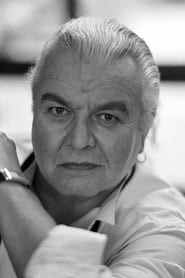
Toecutter

Jessie Rockatansky
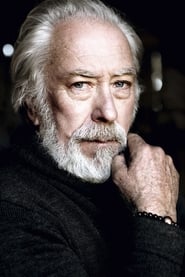
Jim Goose
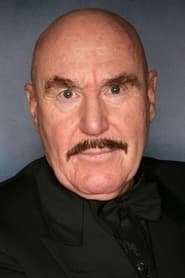
Fifi Macaffee
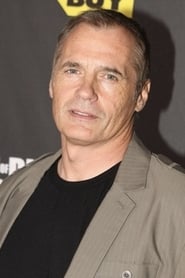
Johnny the Boy

Bubba Zanetti
Main Cast & Characters
Max Rockatansky
Played by Mel Gibson
Main Force Patrol officer who loses his family to biker gang violence and transforms into a vengeful warrior.
Toecutter
Played by Hugh Keays-Byrne
Psychotic leader of a violent motorcycle gang terrorizing the highways.
Jessie Rockatansky
Played by Joanne Samuel
Max's wife and mother of their infant son, represents his connection to normal life.
Jim Goose
Played by Steve Bisley
Max's reckless and jovial partner in the MFP, motorcycle rider and best friend.
Fifi Macaffee
Played by Roger Ward
MFP captain who tries to keep Max from resigning, pragmatic commander.
Johnny the Boy
Played by Tim Burns
Young, unstable member of Toecutter's gang, captured and released by authorities.
Bubba Zanetti
Played by Geoff Parry
Toecutter's cold and calculating second-in-command.
Structural Analysis
The Status Quo at 1 minutes (1% through the runtime) establishes Max Rockatansky is introduced as the MFP's top pursuit officer, a cool professional in a world beginning to collapse. His black Interceptor represents order in chaos.. Significantly, this early placement immediately immerses viewers in the story world.
The inciting incident occurs at 11 minutes when The Nightrider is killed in pursuit. Toecutter's gang arrives in town, establishing a vendetta against the MFP. Max's colleague Goose becomes their target.. At 12% through the film, this Disruption aligns precisely with traditional story structure. This beat shifts the emotional landscape, launching the protagonist into the central conflict.
The First Threshold at 23 minutes marks the transition into Act II, occurring at 25% of the runtime. This indicates the protagonist's commitment to Max chooses to take extended leave and drive his family to a remote coastal area. He actively decides to step away from violence and protect what matters most., moving from reaction to action.
At 46 minutes, the Midpoint arrives at 50% of the runtime—precisely centered, creating perfect narrative symmetry. Of particular interest, this crucial beat Toecutter's gang discovers Jessie at the farmhouse and terrorizes her. The illusion of safety shatters—the violence Max fled has followed him. False security becomes real threat., fundamentally raising what's at risk. The emotional intensity shifts, dividing the narrative into clear before-and-after phases.
The Collapse moment at 68 minutes (75% through) represents the emotional nadir. Here, Jessie and Sprog are run down by the gang on the highway. Max finds them broken on the road. His wife clings to life but his son is dead. Everything he loved is destroyed., indicates the protagonist at their lowest point. This beat's placement in the final quarter sets up the climactic reversal.
The Second Threshold at 73 minutes initiates the final act resolution at 80% of the runtime. Max returns to the MFP garage, takes his black pursuit leathers, and reclaims the Interceptor. He's no longer a cop seeking justice—he's becoming the thing Fifi warned about., demonstrating the transformation achieved throughout the journey.
Emotional Journey
Mad Max's emotional architecture traces a deliberate progression across 15 carefully calibrated beats.
Narrative Framework
This structural analysis employs systematic plot point analysis that identifies crucial turning points. By mapping Mad Max against these established plot points, we can identify how George Miller utilizes or subverts traditional narrative conventions. The plot point approach reveals not only adherence to structural principles but also creative choices that distinguish Mad Max within the adventure genre.
George Miller's Structural Approach
Among the 10 George Miller films analyzed on Arcplot, the average structural score is 6.8, demonstrating varied approaches to story architecture. Mad Max represents one of the director's most structurally precise works. For comparative analysis, explore the complete George Miller filmography.
Comparative Analysis
Additional adventure films include The Black Stallion, The Bad Guys and Puss in Boots. For more George Miller analyses, see Mad Max 2, Furiosa: A Mad Max Saga and Happy Feet Two.
Plot Points by Act
Act I
SetupStatus Quo
Max Rockatansky is introduced as the MFP's top pursuit officer, a cool professional in a world beginning to collapse. His black Interceptor represents order in chaos.
Theme
Fifi tells Max that the officers are starting to enjoy the violence too much, warning that "they're out there thinking they're invincible." The theme: savagery is contagious.
Worldbuilding
The deteriorating Australian outback society is established: understaffed police, roving gangs, crumbling infrastructure. The MFP tries to maintain order as civilization frays at the edges.
Disruption
The Nightrider is killed in pursuit. Toecutter's gang arrives in town, establishing a vendetta against the MFP. Max's colleague Goose becomes their target.
Resistance
Max debates leaving the force. After Goose is horrifically burned by the gang, Max tells Fifi he's quitting before he becomes like them. He seeks escape with his family.
Act II
ConfrontationFirst Threshold
Max chooses to take extended leave and drive his family to a remote coastal area. He actively decides to step away from violence and protect what matters most.
Mirror World
Max's tender moments with Jessie and baby Sprog on vacation represent everything worth preserving. Their love embodies the humanity he risks losing to the road.
Premise
The family vacation unfolds with domestic bliss—beach trips, saxophone playing, intimacy. Max believes he's escaped. But the gang is searching, and May Swaisey's farm isn't far enough.
Midpoint
Toecutter's gang discovers Jessie at the farmhouse and terrorizes her. The illusion of safety shatters—the violence Max fled has followed him. False security becomes real threat.
Opposition
The gang hunts Max's family relentlessly. Jessie flees with Sprog but they're pursued across the countryside. Max races to reach them but arrives too late to prevent tragedy.
Collapse
Jessie and Sprog are run down by the gang on the highway. Max finds them broken on the road. His wife clings to life but his son is dead. Everything he loved is destroyed.
Crisis
Max sits in the hospital corridor, catatonic with grief. The man who tried to walk away from violence has had violence follow him home and take everything. His humanity dies with his family.
Act III
ResolutionSecond Threshold
Max returns to the MFP garage, takes his black pursuit leathers, and reclaims the Interceptor. He's no longer a cop seeking justice—he's becoming the thing Fifi warned about.
Synthesis
Max systematically hunts down every gang member. Johnny the Boy, Toecutter, and the others fall one by one. Each kill is cold, methodical—not justice, but annihilation.
Transformation
Max drives alone into the wasteland, eyes empty, humanity extinguished. The opening's professional officer is gone. What remains is Mad Max—more machine than man, consumed by the road.