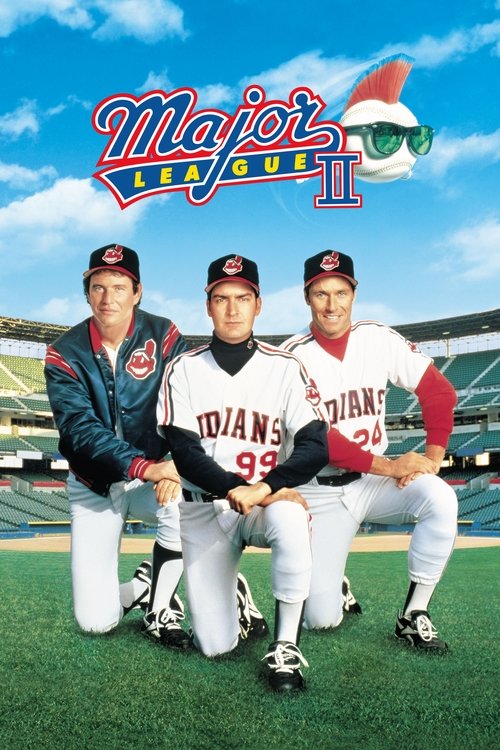
Major League II
After losing in the ALCS the year before, the Cleveland Indians are determined to make it into the World Series this time! However, they first have to contend with Rachel Phelps again when she buys back the team.
Working with a respectable budget of $25.0M, the film achieved a respectable showing with $30.6M in global revenue (+23% profit margin).


Plot Structure
Story beats plotted across runtime


Narrative Arc
Emotional journey through the story's key moments
Story Circle
Blueprint 15-beat structure
Arcplot Score Breakdown
Weighted: Precision (70%) + Arc (15%) + Theme (15%)
Major League II (1994) demonstrates meticulously timed story structure, characteristic of David S. Ward's storytelling approach. This structural analysis examines how the film's 15-point plot structure maps to proven narrative frameworks across 1 hour and 45 minutes. With an Arcplot score of 7.0, the film balances conventional beats with creative variation.
Characters
Cast & narrative archetypes

Jake Taylor
Rick Vaughn
Roger Dorn
Lou Brown
Willie Mays Hayes
Pedro Cerrano
Rube Baker
Jack Parkman
Main Cast & Characters
Jake Taylor
Played by Tom Berenger
Veteran catcher trying to maintain his edge while dealing with age and personal demons. Returns as team leader but struggles with ego and celebrity culture.
Rick Vaughn
Played by Charlie Sheen
Former wild thing pitcher now struggling with fame, endorsements, and lost mojo. Transforms from humble player to arrogant celebrity back to focused athlete.
Roger Dorn
Played by Corbin Bernsen
Former third baseman turned team owner, learning to lead rather than just manage. Struggles between business decisions and loyalty to players.
Lou Brown
Played by James Gammon
Gruff, no-nonsense manager who must corral an overconfident team heading for collapse. Delivers tough love and wisdom to restore team focus.
Willie Mays Hayes
Played by Omar Epps
Speedy center fielder who transitions to power hitting after winter ball success. Loses his natural game chasing home runs before rediscovering his strengths.
Pedro Cerrano
Played by Dennis Haysbert
Power-hitting outfielder exploring Buddhism and struggling with his voodoo past. Seeks spiritual enlightenment while maintaining his role as team enforcer.
Rube Baker
Played by Eric Bruskotter
Awkward, enthusiastic rookie catcher who idolizes Jake Taylor. Represents the humble, hungry player the veterans used to be.
Jack Parkman
Played by David Keith
Arrogant, talented power hitter and the team's new star. Embodies everything wrong with celebrity culture in sports.
Structural Analysis
The Status Quo at 1 minutes (1% through the runtime) establishes The Cleveland Indians celebrate their division championship from the previous season, showing the team's newfound success and confidence after years of losing.. Of particular interest, this early placement immediately immerses viewers in the story world.
The inciting incident occurs at 12 minutes when The Indians lose their opening game badly, revealing that their egos and distractions have destroyed the chemistry that made them champions. The season starts disastrously.. At 12% through the film, this Disruption aligns precisely with traditional story structure. This beat shifts the emotional landscape, launching the protagonist into the central conflict.
The First Threshold at 26 minutes marks the transition into Act II, occurring at 25% of the runtime. This reveals the protagonist's commitment to After hitting rock bottom in the standings, Lou Brown delivers an ultimatum: the team must choose between fame and winning. The players commit to refocusing on baseball and abandoning their distractions., moving from reaction to action.
At 51 minutes, the Midpoint arrives at 49% of the runtime—precisely centered, creating perfect narrative symmetry. Structural examination shows that this crucial beat The Indians complete their comeback and move into first place, appearing to have solved their problems. False victory: they think they've learned their lesson, but haven't truly been tested yet., fundamentally raising what's at risk. The emotional intensity shifts, dividing the narrative into clear before-and-after phases.
The Collapse moment at 77 minutes (74% through) represents the emotional nadir. Here, Jake Taylor collapses on the field from his injuries, potentially ending his career. The symbolic death of the team's heart and leadership. Simultaneously, Rick fully embraces his sellout image, losing his edge., shows the protagonist at their lowest point. This beat's placement in the final quarter sets up the climactic reversal.
The Second Threshold at 82 minutes initiates the final act resolution at 78% of the runtime. Jake returns from the hospital to deliver a speech about sacrifice and authenticity. Rick sheds his corporate image and reclaims his "Wild Thing" identity. The team synthesizes their talent with their original hungry spirit., demonstrating the transformation achieved throughout the journey.
Emotional Journey
Major League II's emotional architecture traces a deliberate progression across 15 carefully calibrated beats.
Narrative Framework
This structural analysis employs systematic plot point analysis that identifies crucial turning points. By mapping Major League II against these established plot points, we can identify how David S. Ward utilizes or subverts traditional narrative conventions. The plot point approach reveals not only adherence to structural principles but also creative choices that distinguish Major League II within the comedy genre.
David S. Ward's Structural Approach
Among the 5 David S. Ward films analyzed on Arcplot, the average structural score is 7.1, reflecting strong command of classical structure. Major League II takes a more unconventional approach compared to the director's typical style. For comparative analysis, explore the complete David S. Ward filmography.
Comparative Analysis
Additional comedy films include The Bad Guys, Ella Enchanted and The Evening Star. For more David S. Ward analyses, see Major League, The Program and King Ralph.
Plot Points by Act
Act I
SetupStatus Quo
The Cleveland Indians celebrate their division championship from the previous season, showing the team's newfound success and confidence after years of losing.
Theme
Lou Brown warns the team that success is harder to maintain than to achieve: "Last year we were hungry underdogs. This year everyone expects us to win."
Worldbuilding
Spring training reveals the team's new problems: Rick Vaughn has abandoned his "Wild Thing" persona for a corporate image, seeking endorsement deals. Jake Taylor is aging and injured. The team has become complacent and distracted by fame.
Disruption
The Indians lose their opening game badly, revealing that their egos and distractions have destroyed the chemistry that made them champions. The season starts disastrously.
Resistance
Lou Brown struggles to regain control as the team continues losing. Jake tries to lead but his injury limits him. The players debate whether they need to change or if they can coast on talent alone.
Act II
ConfrontationFirst Threshold
After hitting rock bottom in the standings, Lou Brown delivers an ultimatum: the team must choose between fame and winning. The players commit to refocusing on baseball and abandoning their distractions.
Mirror World
Rick Vaughn reconnects with his girlfriend who reminds him of who he really is, representing the authentic self versus the manufactured corporate image. This relationship carries the theme of staying true to yourself.
Premise
The team begins their comeback, rediscovering the scrappy underdog mentality. Games montage showing incremental improvement as they climb back in the standings, playing with renewed passion and teamwork.
Midpoint
The Indians complete their comeback and move into first place, appearing to have solved their problems. False victory: they think they've learned their lesson, but haven't truly been tested yet.
Opposition
The pressure of maintaining first place reveals cracks. Rick begins reverting to his corporate persona. Jake's body is breaking down. The opposing teams intensify their efforts, and internal conflicts resurface as old habits return.
Collapse
Jake Taylor collapses on the field from his injuries, potentially ending his career. The symbolic death of the team's heart and leadership. Simultaneously, Rick fully embraces his sellout image, losing his edge.
Crisis
With Jake hospitalized and Rick ineffective, the team faces elimination from playoff contention. Lou and the players confront their darkest moment, questioning whether they have what it takes to win when it matters most.
Act III
ResolutionSecond Threshold
Jake returns from the hospital to deliver a speech about sacrifice and authenticity. Rick sheds his corporate image and reclaims his "Wild Thing" identity. The team synthesizes their talent with their original hungry spirit.
Synthesis
The championship game finale. The team plays with both the skill they've developed and the heart they started with. Rick pitches as the Wild Thing. The players execute as a unified team, climaxing in dramatic victory.
Transformation
The team celebrates as champions, but this time with humility and authenticity. Mirror of opening: they're still winners, but now they understand that true success comes from staying true to yourself, not from image or fame.