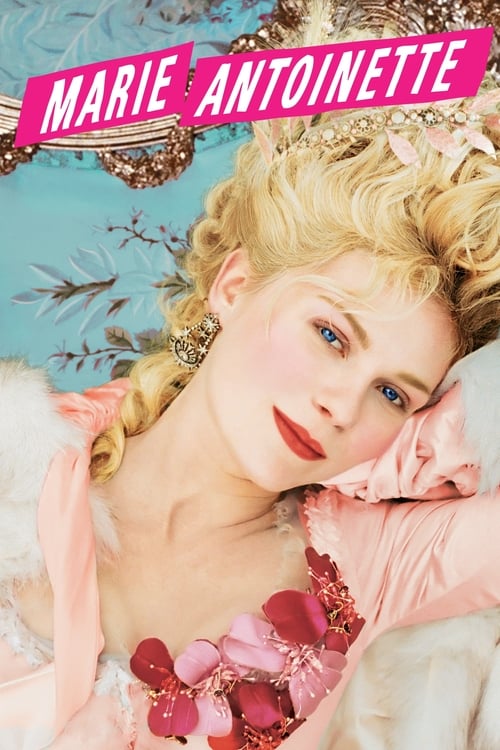
Marie Antoinette
The retelling of France’s iconic but ill-fated queen, Marie Antoinette - from her betrothal and marriage to Louis XVI at fifteen to her reign as queen at nineteen and ultimately the fall of Versailles.
Working with a mid-range budget of $40.0M, the film achieved a respectable showing with $60.9M in global revenue (+52% profit margin).
1 Oscar. 19 wins & 24 nominations


Plot Structure
Story beats plotted across runtime


Narrative Arc
Emotional journey through the story's key moments
Story Circle
Blueprint 15-beat structure
Arcplot Score Breakdown
Weighted: Precision (70%) + Arc (15%) + Theme (15%)
Marie Antoinette (2006) exhibits deliberately positioned story structure, characteristic of Sofia Coppola's storytelling approach. This structural analysis examines how the film's 15-point plot structure maps to proven narrative frameworks across 2 hours and 3 minutes. With an Arcplot score of 6.6, the film balances conventional beats with creative variation.
Characters
Cast & narrative archetypes

Marie Antoinette
Louis XVI
Count Axel von Fersen
Comtesse de Noailles
Duchesse de Polignac
Ambassador Mercy
King Louis XV
Madame du Barry
Main Cast & Characters
Marie Antoinette
Played by Kirsten Dunst
Austrian princess who becomes Queen of France at age 19, struggling to navigate the rigid protocols of Versailles while seeking personal fulfillment.
Louis XVI
Played by Jason Schwartzman
The shy, awkward King of France who struggles with intimacy and leadership while preferring locksmithing to ruling.
Count Axel von Fersen
Played by Jamie Dornan
A Swedish count and military officer who becomes Marie Antoinette's romantic interest and confidant.
Comtesse de Noailles
Played by Judy Davis
The rigid Mistress of the Household who enforces the strict etiquette of Versailles with unwavering dedication.
Duchesse de Polignac
Played by Rose Byrne
Marie Antoinette's close friend and confidante who becomes part of her intimate circle at court.
Ambassador Mercy
Played by Steve Coogan
The Austrian ambassador who serves as Marie Antoinette's advisor and connection to her mother, Empress Maria Theresa.
King Louis XV
Played by Rip Torn
The aging King of France and Louis XVI's grandfather who initially welcomes Marie Antoinette to Versailles.
Madame du Barry
Played by Asia Argento
King Louis XV's mistress who represents the old guard at Versailles and initially clashes with Marie Antoinette.
Structural Analysis
The Status Quo at 2 minutes (2% through the runtime) establishes Marie Antoinette reclines indulgently with pastries and champagne in Versailles, the image of youthful decadence and pleasure that contrasts with the innocence she's about to lose. This opening establishes her world of excess before we flash back to understand how she arrived here.. Structural examination shows that this early placement immediately immerses viewers in the story world.
The inciting incident occurs at 13 minutes when Marie crosses into France and undergoes the transformation ceremony where she must abandon everything Austrian—her clothes, possessions, even her dog—to be symbolically reborn as French royalty. This moment disrupts her identity and childhood, forcing her into an alien world with impossible expectations.. At 10% through the film, this Disruption aligns precisely with traditional story structure. This beat shifts the emotional landscape, launching the protagonist into the central conflict.
The First Threshold at 33 minutes marks the transition into Act II, occurring at 27% of the runtime. This reveals the protagonist's commitment to Marie actively chooses to befriend the Duchess de Polignac and enters the world of pleasure, parties, and indulgence. This is her decision to cope with her circumstances through excess rather than continue suffering in passive isolation. She begins creating her own identity at Versailles., moving from reaction to action.
At 65 minutes, the Midpoint arrives at 53% of the runtime—precisely centered, creating perfect narrative symmetry. Notably, this crucial beat After seven years, the marriage is finally consummated following advice from Marie's brother to Louis. This false victory gives Marie hope and elevates her status, but also raises stakes—she can now produce heirs, increasing pressure and responsibility. Her spending and indulgence intensify rather than diminish., fundamentally raising what's at risk. The emotional intensity shifts, dividing the narrative into clear before-and-after phases.
The Collapse moment at 92 minutes (75% through) represents the emotional nadir. Here, Marie receives news of her mother's death. This "whiff of death" moment brings grief, isolation, and the realization that her lifestyle is unsustainable. She recognizes her disconnection from reality and the gravity of France's situation. The loss of her mother symbolizes the loss of her last connection to her true self., demonstrates the protagonist at their lowest point. This beat's placement in the final quarter sets up the climactic reversal.
The Second Threshold at 109 minutes initiates the final act resolution at 89% of the runtime. News arrives that the mob is marching on Versailles. Marie gains new clarity: she must face reality, protect her family, and show courage. The playacting is over. This information forces her into Act Three where she can no longer hide from the consequences of aristocratic excess and political upheaval., demonstrating the transformation achieved throughout the journey.
Emotional Journey
Marie Antoinette's emotional architecture traces a deliberate progression across 15 carefully calibrated beats.
Narrative Framework
This structural analysis employs a 15-point narrative structure framework that maps key story moments. By mapping Marie Antoinette against these established plot points, we can identify how Sofia Coppola utilizes or subverts traditional narrative conventions. The plot point approach reveals not only adherence to structural principles but also creative choices that distinguish Marie Antoinette within the drama genre.
Sofia Coppola's Structural Approach
Among the 7 Sofia Coppola films analyzed on Arcplot, the average structural score is 6.8, demonstrating varied approaches to story architecture. Marie Antoinette takes a more unconventional approach compared to the director's typical style. For comparative analysis, explore the complete Sofia Coppola filmography.
Comparative Analysis
Additional drama films include After Thomas, South Pacific and Dirty Dancing: Havana Nights. For more Sofia Coppola analyses, see Priscilla, Lost in Translation and Somewhere.
Plot Points by Act
Act I
SetupStatus Quo
Marie Antoinette reclines indulgently with pastries and champagne in Versailles, the image of youthful decadence and pleasure that contrasts with the innocence she's about to lose. This opening establishes her world of excess before we flash back to understand how she arrived here.
Theme
At the border transformation ceremony, an Austrian courtier states: "Everything must be left behind" as Marie is stripped of all her possessions and Austrian identity. This articulates the film's theme of identity, loss, and the price of entering a gilded cage.
Worldbuilding
The setup establishes Marie's world at Versailles: the suffocating court etiquette, constant surveillance, elaborate rituals, awkward unconsummated marriage to Louis XVI, and her profound isolation despite being surrounded by hundreds of courtiers. Marie is a lonely teenage girl trapped in a political marriage within an oppressive system.
Disruption
Marie crosses into France and undergoes the transformation ceremony where she must abandon everything Austrian—her clothes, possessions, even her dog—to be symbolically reborn as French royalty. This moment disrupts her identity and childhood, forcing her into an alien world with impossible expectations.
Resistance
Marie debates how to survive Versailles. She receives guidance from various sources: her lady-in-waiting, her mother's letters urging her to influence Louis, and court observers. She struggles between conforming to expectations and maintaining her sanity, seeking ways to cope with the pressure to produce an heir while Louis avoids intimacy.
Act II
ConfrontationFirst Threshold
Marie actively chooses to befriend the Duchess de Polignac and enters the world of pleasure, parties, and indulgence. This is her decision to cope with her circumstances through excess rather than continue suffering in passive isolation. She begins creating her own identity at Versailles.
Mirror World
Marie meets Count Axel von Fersen at a masked ball, experiencing immediate romantic connection and attraction. This relationship represents genuine human connection and emotional intimacy—everything Versailles denies her—and carries the film's thematic exploration of authenticity versus performance.
Premise
The "promise of the premise"—Versailles decadence in full display. Marie indulges in fashion, shoes, jewelry, gambling, champagne, elaborate hairstyles, and pastries. Visually stunning montages show her creating identity through consumption, escaping loneliness through excess, and becoming the icon of aristocratic indulgence. This is the fun before consequences arrive.
Midpoint
After seven years, the marriage is finally consummated following advice from Marie's brother to Louis. This false victory gives Marie hope and elevates her status, but also raises stakes—she can now produce heirs, increasing pressure and responsibility. Her spending and indulgence intensify rather than diminish.
Opposition
Pressure intensifies as Marie gives birth (publicly, under scrutiny) and faces growing opposition. She's implicated in the necklace scandal, pamphlets mock her as "Madame Déficit," public resentment grows, her mother sends warning letters about her behavior, and political tensions escalate. The fun is over; consequences are closing in.
Collapse
Marie receives news of her mother's death. This "whiff of death" moment brings grief, isolation, and the realization that her lifestyle is unsustainable. She recognizes her disconnection from reality and the gravity of France's situation. The loss of her mother symbolizes the loss of her last connection to her true self.
Crisis
Marie retreats to Petit Trianon with her children, attempting a simpler life and different kind of motherhood. She becomes more subdued, showing self-awareness ("This is ridiculous") but her attempts at change come too late. She processes her grief and growing awareness of the revolution brewing outside her gilded world.
Act III
ResolutionSecond Threshold
News arrives that the mob is marching on Versailles. Marie gains new clarity: she must face reality, protect her family, and show courage. The playacting is over. This information forces her into Act Three where she can no longer hide from the consequences of aristocratic excess and political upheaval.
Synthesis
The finale: the mob storms Versailles, Marie flees through secret passages but then shows dignity facing the crowd on the balcony ("I am the Queen of France"). The royal family is forced to leave for Paris. Marie walks through her devastated rooms, says goodbye to her former life, and departs with grace despite losing everything.
Transformation
Marie looks back at Versailles one final time from the carriage, her face showing the transformation from naive girl to dignified woman facing tragedy. Her shoes remain behind in the wreckage—the ultimate symbol of her shed identity. Youth, privilege, and an entire world lost, but she faces the future with composed awareness.