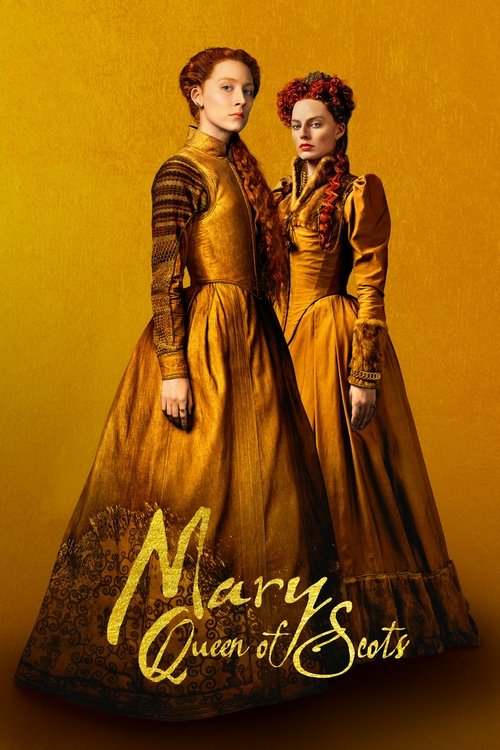
Mary Queen of Scots
In 1561, Mary Stuart, widow of the King of France, returns to Scotland, reclaims her rightful throne and menaces the future of Queen Elizabeth I as ruler of England, because she has a legitimate claim to the English throne. Betrayals, rebellions, conspiracies and their own life choices imperil both Queens. They experience the bitter cost of power, until their tragic fate is finally fulfilled.
Working with a mid-range budget of $25.0M, the film achieved a modest success with $46.7M in global revenue (+87% profit margin).
Nominated for 2 Oscars. 8 wins & 31 nominations


Plot Structure
Story beats plotted across runtime


Narrative Arc
Emotional journey through the story's key moments
Story Circle
Blueprint 15-beat structure
Arcplot Score Breakdown
Weighted: Precision (70%) + Arc (15%) + Theme (15%)
Mary Queen of Scots (2018) exemplifies strategically placed narrative architecture, characteristic of Josie Rourke's storytelling approach. This structural analysis examines how the film's 15-point plot structure maps to proven narrative frameworks across 2 hours and 4 minutes. With an Arcplot score of 7.6, the film showcases strong structural fundamentals.
Characters
Cast & narrative archetypes

Mary Stuart
Elizabeth I
Lord Darnley
David Rizzio
Earl of Bothwell
William Cecil
Earl of Moray
Bess of Hardwick
Main Cast & Characters
Mary Stuart
Played by Saoirse Ronan
Queen of Scotland who returns from France to claim her throne, navigating religious conflict and political intrigue while asserting her right to rule.
Elizabeth I
Played by Margot Robbie
Queen of England who views Mary as both cousin and threat, struggling with loneliness, political pressure, and the fear of losing her throne.
Lord Darnley
Played by Jack Lowden
Mary's ambitious and volatile second husband whose alcoholism and entitlement lead to destructive behavior and political chaos.
David Rizzio
Played by Ismael Cruz Córdova
Mary's loyal Italian secretary and confidant who serves as her musical companion and advisor until his brutal murder.
Earl of Bothwell
Played by Martin Compston
Rough Scottish nobleman and military leader who becomes Mary's protector and third husband amid scandal and controversy.
William Cecil
Played by Guy Pearce
Elizabeth's chief advisor and spymaster who manipulates events to protect England and eliminate the Catholic threat Mary represents.
Earl of Moray
Played by James McArdle
Mary's illegitimate half-brother who leads the Protestant lords and ultimately conspires to overthrow her.
Bess of Hardwick
Played by Gemma Chan
Elizabeth's trusted lady-in-waiting and confidante who provides emotional support and pragmatic counsel.
Structural Analysis
The Status Quo at 1 minutes (1% through the runtime) establishes Mary Stuart, imprisoned and alone, walks toward her execution at Fotheringhay Castle. Her red dress beneath black robes foreshadows the bloody conflict between two queens that the film will chronicle in flashback.. Of particular interest, this early placement immediately immerses viewers in the story world.
The inciting incident occurs at 15 minutes when Mary's illegitimate half-brother Moray and Protestant reformer John Knox openly challenge her authority, declaring that a Catholic woman cannot rule Scotland. The disruption forces Mary to fight for her throne rather than simply claim it.. At 12% through the film, this Disruption aligns precisely with traditional story structure. This beat shifts the emotional landscape, launching the protagonist into the central conflict.
The First Threshold at 31 minutes marks the transition into Act II, occurring at 25% of the runtime. This demonstrates the protagonist's commitment to Mary makes the active choice to marry Lord Darnley, believing the union will strengthen her claim to England's throne and produce an heir. This irreversible decision launches her into direct political collision with Elizabeth and transforms her from diplomatic rival to dynastic threat., moving from reaction to action.
At 62 minutes, the Midpoint arrives at 50% of the runtime—precisely centered, creating perfect narrative symmetry. Structural examination shows that this crucial beat David Rizzio is brutally murdered in front of the pregnant Mary by Darnley and Protestant lords in a coup attempt. This false defeat transforms the narrative—Mary's court becomes a place of violence and betrayal rather than cultural refinement. The fun and games are definitively over., fundamentally raising what's at risk. The emotional intensity shifts, dividing the narrative into clear before-and-after phases.
The Collapse moment at 93 minutes (75% through) represents the emotional nadir. Here, Mary is defeated, imprisoned, and forced to abdicate in favor of her infant son James. Separated from her child and betrayed by her brother Moray, she experiences a complete collapse of her queenship. The whiff of death is present in the loss of everything she fought to build., shows the protagonist at their lowest point. This beat's placement in the final quarter sets up the climactic reversal.
The Second Threshold at 100 minutes initiates the final act resolution at 81% of the runtime. Mary crosses into England seeking Elizabeth's protection, synthesizing her belief in sisterly queenship with her desperate circumstances. This choice marks her entry into Act Three—she commits fully to the bond between queens that she has always believed in, even as it seals her fate., demonstrating the transformation achieved throughout the journey.
Emotional Journey
Mary Queen of Scots's emotional architecture traces a deliberate progression across 15 carefully calibrated beats.
Narrative Framework
This structural analysis employs structural analysis methodology used to understand storytelling architecture. By mapping Mary Queen of Scots against these established plot points, we can identify how Josie Rourke utilizes or subverts traditional narrative conventions. The plot point approach reveals not only adherence to structural principles but also creative choices that distinguish Mary Queen of Scots within the drama genre.
Comparative Analysis
Additional drama films include After Thomas, South Pacific and Dirty Dancing: Havana Nights.
Plot Points by Act
Act I
SetupStatus Quo
Mary Stuart, imprisoned and alone, walks toward her execution at Fotheringhay Castle. Her red dress beneath black robes foreshadows the bloody conflict between two queens that the film will chronicle in flashback.
Theme
Elizabeth's advisor William Cecil warns that "two queens on one island" cannot coexist—the thematic premise that female sovereignty in a patriarchal world demands the destruction of one queen to secure the other.
Worldbuilding
The parallel worlds of both queens are established: Mary returns to Scotland from France as a Catholic widow claiming the English throne; Elizabeth rules England with Protestant advisors who view Mary as an existential threat. Both women navigate courts dominated by men seeking to control them.
Disruption
Mary's illegitimate half-brother Moray and Protestant reformer John Knox openly challenge her authority, declaring that a Catholic woman cannot rule Scotland. The disruption forces Mary to fight for her throne rather than simply claim it.
Resistance
Mary debates her path forward with advisors and confidantes, particularly her ladies-in-waiting and loyal supporter David Rizzio. She weighs marriage proposals and political alliances, resisting pressure to marry while seeking accommodation with Elizabeth through diplomatic correspondence.
Act II
ConfrontationFirst Threshold
Mary makes the active choice to marry Lord Darnley, believing the union will strengthen her claim to England's throne and produce an heir. This irreversible decision launches her into direct political collision with Elizabeth and transforms her from diplomatic rival to dynastic threat.
Mirror World
Elizabeth's parallel storyline deepens as she confronts her own inability to marry and produce an heir. The Mirror World reveals Elizabeth's loneliness and the personal cost of her political survival, contrasting with Mary's choice to embrace marriage and motherhood despite its dangers.
Premise
The promise of the premise unfolds: two queens maneuvering for power through marriage, correspondence, and political strategy. Mary's court flourishes with music and culture under Rizzio's influence; she becomes pregnant with James. Elizabeth sends envoys and considers her own marriage options. Both women assert their autonomy against male advisors.
Midpoint
David Rizzio is brutally murdered in front of the pregnant Mary by Darnley and Protestant lords in a coup attempt. This false defeat transforms the narrative—Mary's court becomes a place of violence and betrayal rather than cultural refinement. The fun and games are definitively over.
Opposition
The antagonistic forces close in on Mary from all sides: Darnley becomes abusive and treacherous; Protestant lords plot against her; Elizabeth's council hardens against her; and after Darnley's murder (which implicates Bothwell), Mary's reputation is destroyed. Her marriage to Bothwell further alienates allies and gives her enemies justification for rebellion.
Collapse
Mary is defeated, imprisoned, and forced to abdicate in favor of her infant son James. Separated from her child and betrayed by her brother Moray, she experiences a complete collapse of her queenship. The whiff of death is present in the loss of everything she fought to build.
Crisis
Mary escapes imprisonment but faces the dark night of her soul—she has lost Scotland, her son, and her reputation. She must decide whether to flee abroad or seek refuge with Elizabeth, the cousin she has corresponded with but never met. Her processing of loss leads to a fateful choice.
Act III
ResolutionSecond Threshold
Mary crosses into England seeking Elizabeth's protection, synthesizing her belief in sisterly queenship with her desperate circumstances. This choice marks her entry into Act Three—she commits fully to the bond between queens that she has always believed in, even as it seals her fate.
Synthesis
The finale unfolds across nineteen years of Mary's English imprisonment. The climactic scene between Mary and Elizabeth in a laundry cottage crystallizes their tragedy: two women who might have been allies are divided by the men around them and the impossible politics of their era. Elizabeth weeps but signs Mary's death warrant.
Transformation
Mary walks to her execution with dignity, removing her black robes to reveal the red of martyrdom. In voiceover, she declares her faith and her identity as a queen. The transformation inverts the opening: where we first saw a woman walking to death, we now see a queen choosing how to die—and ultimately securing her son's succession to Elizabeth's throne.