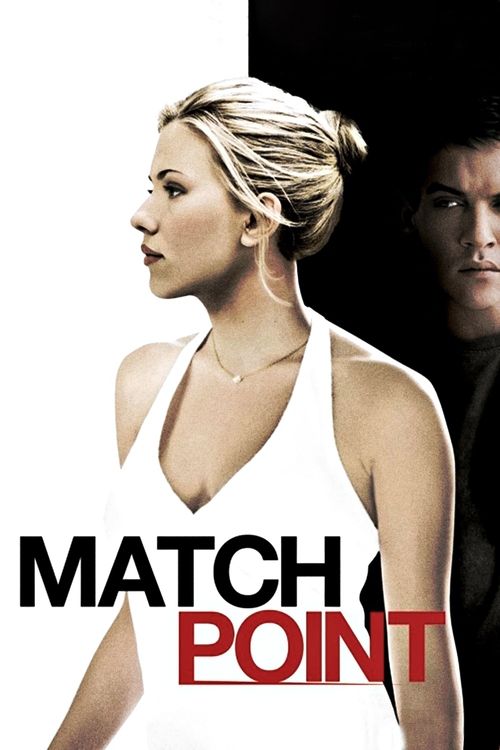
Match Point
Chris, a former tennis pro, takes a job as an instructor and befriends his wealthy young student, Tom. After being introduced to his family, Chris is soon engaged to Tom's sister, Chloe. Despite the professional and financial advantages that this relationship affords him, Chris becomes obsessed with Tom's fiancee, American actress Nola.
Despite a mid-range budget of $15.0M, Match Point became a solid performer, earning $85.6M worldwide—a 471% return.
Nominated for 1 Oscar. 12 wins & 32 nominations


Plot Structure
Story beats plotted across runtime


Narrative Arc
Emotional journey through the story's key moments
Story Circle
Blueprint 15-beat structure
Arcplot Score Breakdown
Weighted: Precision (70%) + Arc (15%) + Theme (15%)
Match Point (2005) exemplifies precise dramatic framework, characteristic of Woody Allen's storytelling approach. This structural analysis examines how the film's 15-point plot structure maps to proven narrative frameworks across 2 hours and 4 minutes. With an Arcplot score of 6.6, the film balances conventional beats with creative variation.
Characters
Cast & narrative archetypes

Chris Wilton
Nola Rice
Chloe Hewett Wilton
Tom Hewett
Eleanor Hewett
Alec Hewett
Main Cast & Characters
Chris Wilton
Played by Jonathan Rhys Meyers
An ambitious former tennis pro who marries into wealth while pursuing a dangerous affair.
Nola Rice
Played by Scarlett Johansson
A struggling American actress whose passionate affair with Chris leads to tragic consequences.
Chloe Hewett Wilton
Played by Emily Mortimer
A wealthy, naive young woman who falls in love with and marries Chris.
Tom Hewett
Played by Matthew Goode
Chloe's brother, a wealthy playboy who introduces Chris to his family and dates Nola.
Eleanor Hewett
Played by Penelope Wilton
The Hewett matriarch who welcomes Chris into the family and disapproves of Nola.
Alec Hewett
Played by Brian Cox
The wealthy patriarch who gives Chris opportunities and advancement in his business.
Structural Analysis
The Status Quo at 1 minutes (1% through the runtime) establishes A tennis ball hits the net in slow motion, frozen at the apex—the narrator explains that luck determines which side it falls on. Chris Wilton, a former tennis pro from Ireland, arrives in London to work as a tennis instructor at an upscale club, marking his humble origins and ambition.. Notably, this early placement immediately immerses viewers in the story world.
The inciting incident occurs at 15 minutes when At the Hewett family estate, Chris meets Nola Rice, Tom's American fiancée—a struggling actress. Their instant, electric attraction during a ping-pong game disrupts Chris's calculated plan to climb socially through Chloe. Nola represents dangerous passion versus safe advancement.. At 12% through the film, this Disruption aligns precisely with traditional story structure. This beat shifts the emotional landscape, launching the protagonist into the central conflict.
The First Threshold at 31 minutes marks the transition into Act II, occurring at 25% of the runtime. This shows the protagonist's commitment to Chris proposes to Chloe, committing to the Hewett family and their wealth. This is his active choice to pursue status and security over authentic passion. He marries into the upper class, sealing his transformation from tennis instructor to businessman., moving from reaction to action.
At 63 minutes, the Midpoint arrives at 50% of the runtime—precisely centered, creating perfect narrative symmetry. Of particular interest, this crucial beat Nola reveals she is pregnant with Chris's child and demands he leave Chloe. This false defeat transforms the stakes catastrophically—Chris can no longer maintain his double life. The affair shifts from pleasure to existential threat. His carefully constructed world begins to crumble., fundamentally raising what's at risk. The emotional intensity shifts, dividing the narrative into clear before-and-after phases.
The Collapse moment at 92 minutes (74% through) represents the emotional nadir. Here, Nola gives Chris an ultimatum: tell Chloe about the pregnancy or she will. Chris realizes there is no escape through negotiation or manipulation. His privileged life, built on calculated social climbing, faces total destruction. The "whiff of death" emerges as Chris contemplates murder., illustrates the protagonist at their lowest point. This beat's placement in the final quarter sets up the climactic reversal.
The Second Threshold at 99 minutes initiates the final act resolution at 80% of the runtime. Chris murders Nola's elderly neighbor Mrs. Eastby to stage a burglary gone wrong, then waits in Nola's apartment. When she arrives, he kills her too. The double murder marks his irrevocable crossing—he has chosen to destroy others to preserve his privileged life., demonstrating the transformation achieved throughout the journey.
Emotional Journey
Match Point's emotional architecture traces a deliberate progression across 15 carefully calibrated beats.
Narrative Framework
This structural analysis employs a 15-point narrative structure framework that maps key story moments. By mapping Match Point against these established plot points, we can identify how Woody Allen utilizes or subverts traditional narrative conventions. The plot point approach reveals not only adherence to structural principles but also creative choices that distinguish Match Point within the drama genre.
Woody Allen's Structural Approach
Among the 42 Woody Allen films analyzed on Arcplot, the average structural score is 7.0, demonstrating varied approaches to story architecture. Match Point takes a more unconventional approach compared to the director's typical style. For comparative analysis, explore the complete Woody Allen filmography.
Comparative Analysis
Additional drama films include After Thomas, South Pacific and Dirty Dancing: Havana Nights. For more Woody Allen analyses, see Everyone Says I Love You, Celebrity and Interiors.
Plot Points by Act
Act I
SetupStatus Quo
A tennis ball hits the net in slow motion, frozen at the apex—the narrator explains that luck determines which side it falls on. Chris Wilton, a former tennis pro from Ireland, arrives in London to work as a tennis instructor at an upscale club, marking his humble origins and ambition.
Theme
Chris reads Dostoevsky's "Crime and Punishment" in his sparse room, establishing the film's thematic concern with guilt, morality, and whether one can escape consequences for transgression. The theme of luck versus justice permeates: "I'd rather be lucky than good."
Worldbuilding
Chris befriends wealthy Tom Hewett at the tennis club. Tom introduces Chris to the opera, his privileged world, and his family—including sister Chloe, who becomes immediately attracted to Chris. Chris is drawn into the Hewett family's orbit of wealth and status.
Disruption
At the Hewett family estate, Chris meets Nola Rice, Tom's American fiancée—a struggling actress. Their instant, electric attraction during a ping-pong game disrupts Chris's calculated plan to climb socially through Chloe. Nola represents dangerous passion versus safe advancement.
Resistance
Chris debates between desire and ambition. He pursues both Chloe and secretly desires Nola. He joins the Hewett family business, gaining financial security. Tom and Nola's relationship shows strain as Eleanor Hewett disapproves of Nola. Chris observes Nola's vulnerable position as an outsider.
Act II
ConfrontationFirst Threshold
Chris proposes to Chloe, committing to the Hewett family and their wealth. This is his active choice to pursue status and security over authentic passion. He marries into the upper class, sealing his transformation from tennis instructor to businessman.
Mirror World
Tom and Nola break up; she is cast out from the family circle. Chris encounters Nola unexpectedly at the Tate Modern gallery. She represents the B-story: authentic passion, artistic struggle, and moral compromise. Their affair begins, embodying the thematic conflict between desire and duty.
Premise
Chris lives a double life—the dutiful husband climbing the corporate ladder while conducting a passionate affair with Nola. He enjoys wealth, success, and forbidden desire simultaneously. The "fun and games" of duplicity as he navigates between two worlds, two women, two identities.
Midpoint
Nola reveals she is pregnant with Chris's child and demands he leave Chloe. This false defeat transforms the stakes catastrophically—Chris can no longer maintain his double life. The affair shifts from pleasure to existential threat. His carefully constructed world begins to crumble.
Opposition
Nola becomes increasingly desperate and demanding, threatening to expose the affair. Chloe pressures Chris about having children. Chris is trapped between two impossible demands. His attempts to delay, placate, and manipulate both women fail. The walls close in as Nola grows unstable.
Collapse
Nola gives Chris an ultimatum: tell Chloe about the pregnancy or she will. Chris realizes there is no escape through negotiation or manipulation. His privileged life, built on calculated social climbing, faces total destruction. The "whiff of death" emerges as Chris contemplates murder.
Crisis
Chris spirals through his dark night of the soul. He obtains a shotgun from his father-in-law's estate. He stalks Nola's building, planning her murder. The man who read Dostoevsky now becomes Raskolnikov, wrestling with the moral abyss of premeditated killing.
Act III
ResolutionSecond Threshold
Chris murders Nola's elderly neighbor Mrs. Eastby to stage a burglary gone wrong, then waits in Nola's apartment. When she arrives, he kills her too. The double murder marks his irrevocable crossing—he has chosen to destroy others to preserve his privileged life.
Synthesis
The police investigate. Detective Banner grows suspicious of Chris. Chris is haunted by apparitions of his victims. The stolen jewelry—intended to be discarded in the Thames—hits the railing and falls on the walkway instead of the water. A drug addict is found with the ring and blamed for the murders.
Transformation
Chris escapes justice through pure luck—the ring fell on the wrong side, framing an innocent man. Chloe announces her pregnancy; the Hewett family celebrates. Chris stares blankly, having gotten away with murder. Unlike Dostoevsky's Raskolnikov, there is no redemption—only hollow victory and moral corruption.