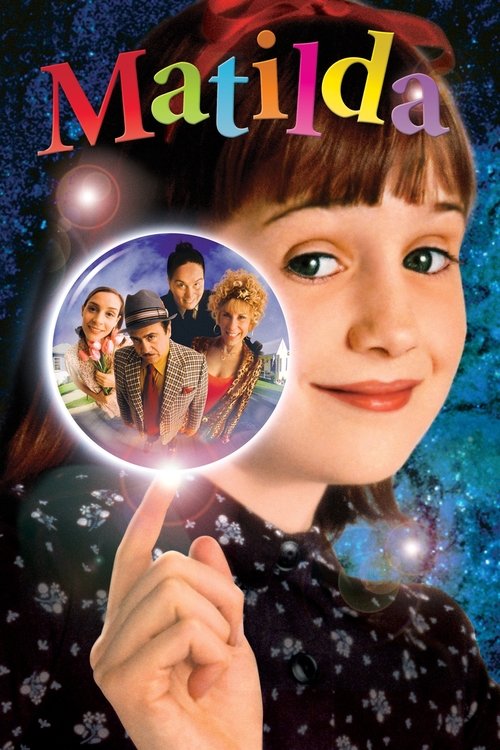
Matilda
Matilda Wormwood is an exquisite and intelligent little girl. Unfortunately, her parents, Harry and Zinnia misunderstand her because they think she is so different. As time passes, she finally starts school and has a kind teacher, loyal friends, and a sadistic headmistress. As she gets fed up with the constant cruelty, she begins to realize that she has a gift of telekinetic powers. After some days of practice, she suddenly turns the tables to stand up to Harry and Zinnia and outwit the headmistress.
The film struggled financially against its respectable budget of $36.0M, earning $33.5M globally (-7% loss).
3 wins & 7 nominations


Plot Structure
Story beats plotted across runtime


Narrative Arc
Emotional journey through the story's key moments
Story Circle
Blueprint 15-beat structure
Arcplot Score Breakdown
Weighted: Precision (70%) + Arc (15%) + Theme (15%)
Matilda (1996) demonstrates carefully calibrated plot construction, characteristic of Danny DeVito's storytelling approach. This structural analysis examines how the film's 15-point plot structure maps to proven narrative frameworks across 1 hour and 38 minutes. With an Arcplot score of 7.3, the film balances conventional beats with creative variation.
Characters
Cast & narrative archetypes

Matilda Wormwood
Agatha Trunchbull
Jennifer Honey
Harry Wormwood
Zinnia Wormwood
Main Cast & Characters
Matilda Wormwood
Played by Mara Wilson
A brilliant young girl with telekinetic powers who loves reading and overcomes her neglectful family and tyrannical headmistress.
Agatha Trunchbull
Played by Pam Ferris
The cruel, sadistic headmistress of Crunchem Hall who terrorizes students with extreme physical punishments and psychological abuse.
Jennifer Honey
Played by Embeth Davidtz
Matilda's kind, gentle teacher who recognizes her genius and becomes a maternal figure, despite her own traumatic past.
Harry Wormwood
Played by Danny DeVito
Matilda's dishonest used car salesman father who dismisses education and resents his daughter's intelligence.
Zinnia Wormwood
Played by Rhea Perlman
Matilda's vain, neglectful mother obsessed with bingo and appearance, completely indifferent to her daughter's needs.
Structural Analysis
The Status Quo at 1 minutes (1% through the runtime) establishes Matilda as a baby is neglected by her parents who wanted a boy. She teaches herself to read by age 3, showing extraordinary intelligence ignored by her crude, materialistic family.. Structural examination shows that this early placement immediately immerses viewers in the story world.
The inciting incident occurs at 12 minutes when After Matilda pranks her father for tearing up her library book, he angrily decides to send her to school—Crunchem Hall. This disrupts her library routine and launches her into a new world.. At 12% through the film, this Disruption aligns precisely with traditional story structure. This beat shifts the emotional landscape, launching the protagonist into the central conflict.
The First Threshold at 24 minutes marks the transition into Act II, occurring at 24% of the runtime. This illustrates the protagonist's commitment to Matilda enters Miss Honey's classroom for the first time and actively chooses to excel and engage with learning. Miss Honey immediately recognizes her genius. Matilda commits to school despite knowing about Trunchbull., moving from reaction to action.
At 49 minutes, the Midpoint arrives at 50% of the runtime—precisely centered, creating perfect narrative symmetry. Structural examination shows that this crucial beat Matilda discovers her telekinetic powers when she tips over a glass with her mind in Miss Honey's classroom. False victory—she has a weapon against injustice, but the stakes have raised significantly. The supernatural enters the story., fundamentally raising what's at risk. The emotional intensity shifts, dividing the narrative into clear before-and-after phases.
The Collapse moment at 73 minutes (74% through) represents the emotional nadir. Here, Trunchbull comes to the Wormwood house and accuses Matilda of putting a newt in her water. Matilda's parents side with Trunchbull against their own daughter. Matilda is utterly alone—rejected by family, threatened by the tyrant. Her isolation is complete., reveals the protagonist at their lowest point. This beat's placement in the final quarter sets up the climactic reversal.
The Second Threshold at 78 minutes initiates the final act resolution at 80% of the runtime. Matilda synthesizes her gifts (intelligence, powers, courage) with what she learned from Miss Honey (her tragic past, the truth about Magnus). She decides to use her powers for justice—to free Miss Honey and defeat Trunchbull. She has a plan., demonstrating the transformation achieved throughout the journey.
Emotional Journey
Matilda's emotional architecture traces a deliberate progression across 15 carefully calibrated beats.
Narrative Framework
This structural analysis employs a 15-point narrative structure framework that maps key story moments. By mapping Matilda against these established plot points, we can identify how Danny DeVito utilizes or subverts traditional narrative conventions. The plot point approach reveals not only adherence to structural principles but also creative choices that distinguish Matilda within the comedy genre.
Danny DeVito's Structural Approach
Among the 4 Danny DeVito films analyzed on Arcplot, the average structural score is 7.4, reflecting strong command of classical structure. Matilda takes a more unconventional approach compared to the director's typical style. For comparative analysis, explore the complete Danny DeVito filmography.
Comparative Analysis
Additional comedy films include The Bad Guys, Ella Enchanted and The Evening Star. For more Danny DeVito analyses, see Duplex, Death to Smoochy and Throw Momma from the Train.
Plot Points by Act
Act I
SetupStatus Quo
Matilda as a baby is neglected by her parents who wanted a boy. She teaches herself to read by age 3, showing extraordinary intelligence ignored by her crude, materialistic family.
Theme
The librarian Mrs. Phelps recognizes Matilda's brilliance: "You're a very special girl, Matilda." Theme: Intelligence and goodness deserve recognition and nurturing.
Worldbuilding
Matilda's life with the Wormwoods is established. Her father Harry is a crooked car salesman, her mother Zinnia is obsessed with bingo. Matilda seeks refuge in books at the library. Her parents refuse to send her to school.
Disruption
After Matilda pranks her father for tearing up her library book, he angrily decides to send her to school—Crunchem Hall. This disrupts her library routine and launches her into a new world.
Resistance
Matilda prepares for and enters school. She meets other children who warn her about the tyrannical headmistress Miss Trunchbull. Matilda is both excited and apprehensive about this new world.
Act II
ConfrontationFirst Threshold
Matilda enters Miss Honey's classroom for the first time and actively chooses to excel and engage with learning. Miss Honey immediately recognizes her genius. Matilda commits to school despite knowing about Trunchbull.
Mirror World
Miss Honey visits the Wormwoods to advocate for moving Matilda to a higher grade. This establishes the B-story relationship—Miss Honey as the kind, nurturing figure who sees Matilda's worth, contrasting with her neglectful parents.
Premise
The "fun and games" of Crunchem Hall. Matilda thrives academically, bonds with classmates (Lavender, Hortensia), witnesses Trunchbull's cruelty (Bruce Bogtrotter, Amanda Thripp), and develops her relationship with Miss Honey. Comedy and wonder.
Midpoint
Matilda discovers her telekinetic powers when she tips over a glass with her mind in Miss Honey's classroom. False victory—she has a weapon against injustice, but the stakes have raised significantly. The supernatural enters the story.
Opposition
Matilda learns to control her powers. Miss Honey reveals her tragic backstory—Trunchbull is her aunt who murdered her father and stole her inheritance. The antagonist's evil deepens. Matilda is blamed for pranks she didn't commit. Pressure intensifies.
Collapse
Trunchbull comes to the Wormwood house and accuses Matilda of putting a newt in her water. Matilda's parents side with Trunchbull against their own daughter. Matilda is utterly alone—rejected by family, threatened by the tyrant. Her isolation is complete.
Crisis
Matilda processes her despair. She realizes she must act. Her parents announce they're fleeing to Guam to escape the FBI. Matilda faces losing everything—her school, Miss Honey, her only chance at a real life. Dark night before the dawn.
Act III
ResolutionSecond Threshold
Matilda synthesizes her gifts (intelligence, powers, courage) with what she learned from Miss Honey (her tragic past, the truth about Magnus). She decides to use her powers for justice—to free Miss Honey and defeat Trunchbull. She has a plan.
Synthesis
The finale. Matilda uses telekinesis to impersonate Magnus's ghost, terrorizing Trunchbull with a chalk-written message demanding she return Miss Honey's house and leave forever. Trunchbull flees. Matilda's parents leave; she asks to stay with Miss Honey.
Transformation
Matilda swings on a tire swing outside Miss Honey's reclaimed cottage, having found her true family. Mirror to opening neglect—she is now seen, valued, and loved. The closing image shows a genius child finally nurtured by a loving parent.