Metro
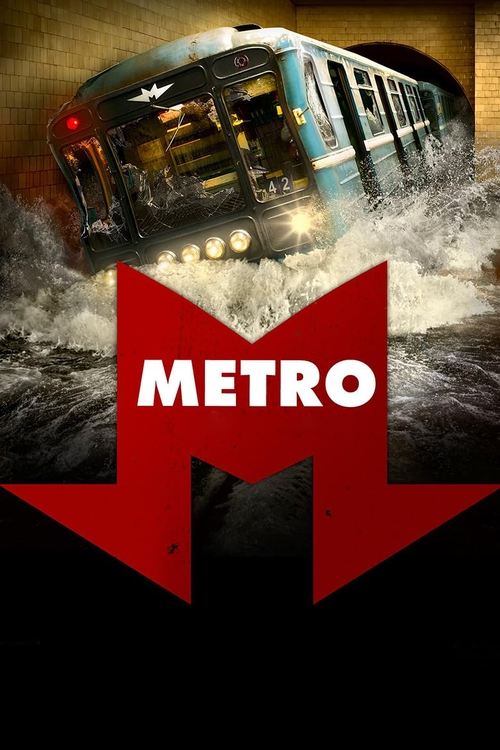
Terror strikes the underground train system in Moscow in the form of a flood from a collapsed tunnel. The film follows a diverse group of Moscow citizens who find themselves trapped in the city’s underground rail network, their train derailed and virtually crushed after an aging tunnel collapses. Amongst this band of survivors is softly spoken surgeon Andrey (Sergei Puskepalis), whose wife is having an affair with the conceited businessman Vlad (Anatoly Beliy). Fate brings these two men together on the same doomed train, but there is little time to resolve their differences, as the tunnel begins to quickly fill with water, forcing them to work together with the others and find a way back to the surface.
The film box office disappointment against its limited budget of $13.0M, earning $4.5M globally (-66% loss). While initial box office returns were modest, the film has gained appreciation for its unique voice within the action genre.


Plot Structure
Story beats plotted across runtime


Narrative Arc
Emotional journey through the story's key moments
Story Circle
Blueprint 15-beat structure
Arcplot Score Breakdown
Weighted: Precision (70%) + Arc (15%) + Theme (15%)
Metro (2013) reveals deliberately positioned narrative design, characteristic of Anton Megerdichev's storytelling approach. This structural analysis examines how the film's 15-point plot structure maps to proven narrative frameworks across 2 hours and 10 minutes. With an Arcplot score of 7.4, the film balances conventional beats with creative variation.
Characters
Cast & narrative archetypes

Arivu
Kumar
Anitha
Veera
Main Cast & Characters
Arivu
Played by Bobby Simha
A small-time criminal who becomes entangled in a dangerous heist that spirals out of control.
Kumar
Played by Sentrayan
A friend caught between loyalty and survival as criminal schemes unfold around him.
Anitha
Played by Shirley Das
A woman whose relationship becomes complicated by the dangerous choices of those around her.
Veera
Played by Sarath Kumar
A ruthless crime boss who manipulates others for his own gain.
Structural Analysis
The Status Quo at 2 minutes (1% through the runtime) establishes The protagonist's ordinary life in the city is established, showing their daily routine and relationships before the central conflict begins.. The analysis reveals that this early placement immediately immerses viewers in the story world.
The inciting incident occurs at 16 minutes when A violent incident or discovery disrupts the protagonist's normal life, introducing the central threat or mystery that demands response.. At 12% through the film, this Disruption aligns precisely with traditional story structure. This beat shifts the emotional landscape, launching the protagonist into the central conflict.
The First Threshold at 33 minutes marks the transition into Act II, occurring at 25% of the runtime. This reveals the protagonist's commitment to The protagonist makes an active choice to confront the danger, investigate the mystery, or enter the dangerous new situation. This decision is irreversible., moving from reaction to action.
At 65 minutes, the Midpoint arrives at 50% of the runtime—precisely centered, creating perfect narrative symmetry. Of particular interest, this crucial beat A major revelation or setback raises the stakes significantly. What seemed like progress reveals deeper danger, or a false victory collapses into new complications., fundamentally raising what's at risk. The emotional intensity shifts, dividing the narrative into clear before-and-after phases.
The Collapse moment at 98 minutes (75% through) represents the emotional nadir. Here, The darkest moment arrives with a significant loss, betrayal, or apparent defeat. Death or its metaphorical equivalent touches the story, leaving the protagonist at their lowest point., reveals the protagonist at their lowest point. This beat's placement in the final quarter sets up the climactic reversal.
The Second Threshold at 104 minutes initiates the final act resolution at 80% of the runtime. New information, realization, or synthesis gives the protagonist clarity. They integrate lessons learned and find the key to final confrontation., demonstrating the transformation achieved throughout the journey.
Emotional Journey
Metro's emotional architecture traces a deliberate progression across 15 carefully calibrated beats.
Narrative Framework
This structural analysis employs structural analysis methodology used to understand storytelling architecture. By mapping Metro against these established plot points, we can identify how Anton Megerdichev utilizes or subverts traditional narrative conventions. The plot point approach reveals not only adherence to structural principles but also creative choices that distinguish Metro within the action genre.
Anton Megerdichev's Structural Approach
Among the 4 Anton Megerdichev films analyzed on Arcplot, the average structural score is 7.0, reflecting strong command of classical structure. Metro represents one of the director's most structurally precise works. For comparative analysis, explore the complete Anton Megerdichev filmography.
Comparative Analysis
Additional action films include The Bad Guys, Puss in Boots and Venom: The Last Dance. For more Anton Megerdichev analyses, see Dark World, Three Seconds and Revenge.
Plot Points by Act
Act I
SetupStatus Quo
The protagonist's ordinary life in the city is established, showing their daily routine and relationships before the central conflict begins.
Theme
A supporting character mentions the dangers and unpredictability of urban life, foreshadowing the themes of survival and trust that will be tested.
Worldbuilding
Introduction to the metropolitan setting, key relationships, and the protagonist's world. Characters, stakes, and normal life patterns are established before disruption.
Disruption
A violent incident or discovery disrupts the protagonist's normal life, introducing the central threat or mystery that demands response.
Resistance
The protagonist resists, debates, and gathers information about the new threat. Allies or mentors may appear. Preparation and reluctance characterize this phase.
Act II
ConfrontationFirst Threshold
The protagonist makes an active choice to confront the danger, investigate the mystery, or enter the dangerous new situation. This decision is irreversible.
Mirror World
A key relationship deepens or a new alliance forms, providing emotional stakes and thematic counterpoint to the external thriller plot.
Premise
The protagonist actively pursues the investigation or confronts the threat. Action sequences, revelations, and the core thriller elements deliver on the premise.
Midpoint
A major revelation or setback raises the stakes significantly. What seemed like progress reveals deeper danger, or a false victory collapses into new complications.
Opposition
The antagonistic forces intensify pressure. The protagonist's flaws and mistakes compound. Trust erodes, danger escalates, and the situation deteriorates.
Collapse
The darkest moment arrives with a significant loss, betrayal, or apparent defeat. Death or its metaphorical equivalent touches the story, leaving the protagonist at their lowest point.
Crisis
The protagonist processes the devastating loss, confronts their darkest fears, and begins to find resolve from within the despair.
Act III
ResolutionSecond Threshold
New information, realization, or synthesis gives the protagonist clarity. They integrate lessons learned and find the key to final confrontation.
Synthesis
The finale unfolds as the protagonist executes their plan, confronts the antagonist in climactic action, and resolves the central conflict.
Transformation
The closing image mirrors the opening but reveals transformation. The protagonist's journey has fundamentally changed them, showing growth through survival.