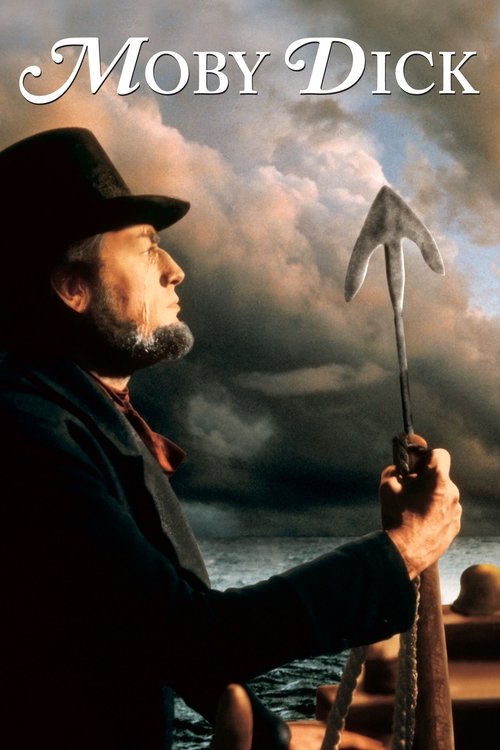
Moby Dick
In 1841, young Ishmael signs up for service aboard the Pequod, a whaler sailing out of New Bedford. The ship is under the command of Captain Ahab, a strict disciplinarian who exhorts his men to find Moby Dick, the great white whale. Ahab lost his leg to that creature and is desperate for revenge. As the crew soon learns, he will stop at nothing to gain satisfaction.
Despite its small-scale budget of $4.5M, Moby Dick became a financial success, earning $10.4M worldwide—a 131% return.
5 wins & 4 nominations


Plot Structure
Story beats plotted across runtime


Narrative Arc
Emotional journey through the story's key moments
Story Circle
Blueprint 15-beat structure
Arcplot Score Breakdown
Weighted: Precision (70%) + Arc (15%) + Theme (15%)
Moby Dick (1956) exemplifies carefully calibrated narrative design, characteristic of John Huston's storytelling approach. This structural analysis examines how the film's 15-point plot structure maps to proven narrative frameworks across 1 hour and 56 minutes. With an Arcplot score of 7.1, the film balances conventional beats with creative variation.
Characters
Cast & narrative archetypes

Ishmael
Captain Ahab
Starbuck
Queequeg
Stubb
Father Mapple
Main Cast & Characters
Ishmael
Played by Richard Basehart
A thoughtful sailor who narrates the doomed voyage of the Pequod and witnesses Ahab's obsession.
Captain Ahab
Played by Gregory Peck
The monomaniacal captain of the Pequod driven by vengeance against the white whale that took his leg.
Starbuck
Played by Leo Genn
The first mate of the Pequod, a rational and moral man who challenges Ahab's dangerous obsession.
Queequeg
Played by Friedrich von Ledebur
A Polynesian harpooner and Ishmael's loyal friend, a skilled whaler with noble bearing.
Stubb
Played by Harry Andrews
The second mate of the Pequod, an easygoing and fatalistic sailor who follows orders without question.
Father Mapple
Played by Orson Welles
A former whaler turned preacher who delivers a powerful sermon about Jonah before the voyage.
Structural Analysis
The Status Quo at 1 minutes (1% through the runtime) establishes Ishmael arrives in New Bedford as a wandering schoolteacher seeking purpose and meaning through the whaling life. He narrates his restless desire to go to sea.. Notably, this early placement immediately immerses viewers in the story world.
The inciting incident occurs at 14 minutes when Ishmael and Queequeg sign aboard the Pequod. Elijah, a prophet-like figure, warns them ominously about Captain Ahab and the fate of those who sail with him.. At 12% through the film, this Disruption aligns precisely with traditional story structure. This beat shifts the emotional landscape, launching the protagonist into the central conflict.
The First Threshold at 28 minutes marks the transition into Act II, occurring at 25% of the runtime. This illustrates the protagonist's commitment to Captain Ahab emerges from his cabin and reveals his true purpose: revenge against Moby Dick, the white whale that took his leg. He nails a gold doubloon to the mast and declares the hunt. The crew actively commits to this obsessive quest., moving from reaction to action.
At 58 minutes, the Midpoint arrives at 50% of the runtime—precisely centered, creating perfect narrative symmetry. Structural examination shows that this crucial beat The Pequod encounters the Samuel Enderby. Captain Boomer, who also lost a limb to Moby Dick, has chosen to let go of revenge and live in peace. Ahab rejects this wisdom, revealing the depth of his madness. False defeat: reason is rejected., fundamentally raising what's at risk. The emotional intensity shifts, dividing the narrative into clear before-and-after phases.
The Collapse moment at 88 minutes (75% through) represents the emotional nadir. Here, Moby Dick is finally sighted. In the first day's chase, the whale destroys Ahab's whaleboat. Fedallah, Ahab's prophetic harpooner, drowns - a literal death and whiff of the doom to come. Ahab's ivory leg is shattered., reveals the protagonist at their lowest point. This beat's placement in the final quarter sets up the climactic reversal.
The Second Threshold at 95 minutes initiates the final act resolution at 82% of the runtime. Ahab commits fully to death or revenge. He synthesizes all his rage, pride, and will into one final pursuit. He knows he will likely die but chooses the hunt anyway, embracing his fate., demonstrating the transformation achieved throughout the journey.
Emotional Journey
Moby Dick's emotional architecture traces a deliberate progression across 15 carefully calibrated beats.
Narrative Framework
This structural analysis employs a 15-point narrative structure framework that maps key story moments. By mapping Moby Dick against these established plot points, we can identify how John Huston utilizes or subverts traditional narrative conventions. The plot point approach reveals not only adherence to structural principles but also creative choices that distinguish Moby Dick within the adventure genre.
John Huston's Structural Approach
Among the 8 John Huston films analyzed on Arcplot, the average structural score is 6.6, demonstrating varied approaches to story architecture. Moby Dick represents one of the director's most structurally precise works. For comparative analysis, explore the complete John Huston filmography.
Comparative Analysis
Additional adventure films include The Black Stallion, The Bad Guys and Puss in Boots. For more John Huston analyses, see The Night of the Iguana, Escape to Victory and The Treasure of the Sierra Madre.
Plot Points by Act
Act I
SetupStatus Quo
Ishmael arrives in New Bedford as a wandering schoolteacher seeking purpose and meaning through the whaling life. He narrates his restless desire to go to sea.
Theme
Father Mapple delivers his sermon about Jonah, warning that those who seek vengeance against God's creatures will find only destruction. The theme of obsession versus acceptance is established.
Worldbuilding
Ishmael meets Queequeg, befriends him despite initial fear, and they travel to Nantucket together. The world of whaling, its dangers, superstitions, and camaraderie is established. The mysterious Captain Ahab is discussed but not yet seen.
Disruption
Ishmael and Queequeg sign aboard the Pequod. Elijah, a prophet-like figure, warns them ominously about Captain Ahab and the fate of those who sail with him.
Resistance
The Pequod sets sail. Ahab remains in his cabin. Starbuck, the first mate, provides guidance about the whaling business. The crew settles into their routines, but unease builds about the absent captain.
Act II
ConfrontationFirst Threshold
Captain Ahab emerges from his cabin and reveals his true purpose: revenge against Moby Dick, the white whale that took his leg. He nails a gold doubloon to the mast and declares the hunt. The crew actively commits to this obsessive quest.
Mirror World
Starbuck emerges as the thematic counterpoint to Ahab. He questions the captain's vendetta, arguing for reason and duty over vengeance. This establishes the film's central moral conflict.
Premise
The crew hunts whales across the ocean. Multiple whale kills demonstrate the brutal reality of whaling. Ahab interrogates every ship they meet about Moby Dick. The obsession deepens as they follow the white whale's trail.
Midpoint
The Pequod encounters the Samuel Enderby. Captain Boomer, who also lost a limb to Moby Dick, has chosen to let go of revenge and live in peace. Ahab rejects this wisdom, revealing the depth of his madness. False defeat: reason is rejected.
Opposition
Ahab becomes increasingly tyrannical and isolated. The crew grows fearful. Starbuck confronts Ahab multiple times but fails to dissuade him. Natural omens and warnings multiply. Ahab breaks his quadrant and compass, trusting only his obsession.
Collapse
Moby Dick is finally sighted. In the first day's chase, the whale destroys Ahab's whaleboat. Fedallah, Ahab's prophetic harpooner, drowns - a literal death and whiff of the doom to come. Ahab's ivory leg is shattered.
Crisis
Ahab contemplates his losses but cannot let go. Starbuck begs him one final time to abandon the hunt. Ahab briefly shows human feeling, speaking of his wife and child, but ultimately refuses to turn back. The dark night before the final confrontation.
Act III
ResolutionSecond Threshold
Ahab commits fully to death or revenge. He synthesizes all his rage, pride, and will into one final pursuit. He knows he will likely die but chooses the hunt anyway, embracing his fate.
Synthesis
The final three-day chase. Second day: more boats destroyed. Third day: Moby Dick attacks the Pequod itself. Ahab harpoons the whale but becomes tangled in the line. As he's dragged to his death, he beckons his crew to follow. The Pequod sinks, taking all but Ishmael.
Transformation
Ishmael floats alone on Queequeg's coffin, the sole survivor. He is rescued by the Rachel. The closing image mirrors the opening - a solitary man on the water - but Ishmael is transformed, having witnessed the wages of obsession.