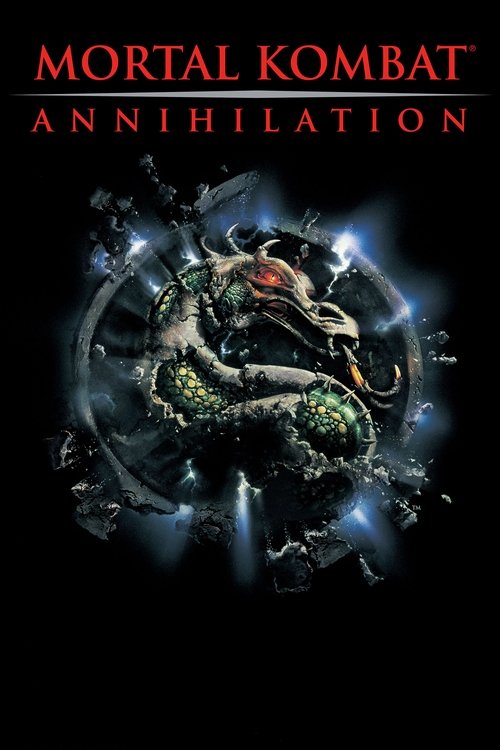
Mortal Kombat: Annihilation
A group of heroic warriors has only six days to save the planet in "Mortal Kombat Annihilation." To succeed they must survive the most spectacular series of challenges any human, or god, has ever encountered as they battle an evil warlord bent on taking control of Earth.
Working with a respectable budget of $30.0M, the film achieved a respectable showing with $51.4M in global revenue (+71% profit margin).


Plot Structure
Story beats plotted across runtime


Narrative Arc
Emotional journey through the story's key moments
Story Circle
Blueprint 15-beat structure
Arcplot Score Breakdown
Weighted: Precision (70%) + Arc (15%) + Theme (15%)
Mortal Kombat: Annihilation (1997) showcases carefully calibrated story structure, characteristic of John R. Leonetti's storytelling approach. This structural analysis examines how the film's 15-point plot structure maps to proven narrative frameworks across 1 hour and 35 minutes. With an Arcplot score of 7.5, the film showcases strong structural fundamentals.
Characters
Cast & narrative archetypes

Liu Kang
Raiden
Sonya Blade
Shao Kahn
Kitana
Jax
Johnny Cage
Sindel
Main Cast & Characters
Liu Kang
Played by Robin Shou
The chosen warrior and champion of Earthrealm who must unite allies to prevent Outworld's conquest.
Raiden
Played by James Remar
The thunder god protector of Earthrealm who loses his immortality and must fight as a mortal.
Sonya Blade
Played by Sandra Hess
Special Forces officer who continues fighting to save Earth from extradimensional threats.
Shao Kahn
Played by Brian Thompson
The tyrannical emperor of Outworld seeking to merge Earthrealm with his dimension and conquer all.
Kitana
Played by Talisa Soto
Princess of Edenia and ally to Earthrealm warriors, fighting to free her realm from Shao Kahn.
Jax
Played by Lynn Red Williams
Sonya's partner and Special Forces major who receives cybernetic arm enhancements to fight Outworld.
Johnny Cage
Played by Chris Conrad
Hollywood action star and martial artist who sacrifices himself early defending Earthrealm.
Sindel
Played by Musetta Vander
Resurrected queen of Edenia, brainwashed by Shao Kahn to serve as his empress and weapon.
Structural Analysis
The Status Quo at 1 minutes (1% through the runtime) establishes Earth's warriors celebrate their Mortal Kombat tournament victory. Liu Kang, Raiden, Sonya, Kitana and others stand victorious, believing they have saved Earth from Outworld invasion.. Structural examination shows that this early placement immediately immerses viewers in the story world.
The inciting incident occurs at 10 minutes when Shao Kahn kills Johnny Cage and kidnaps Kitana. Raiden loses his immortality and powers, transformed into a human. The celebration turns to catastrophe as Earth begins merging with Outworld.. At 11% through the film, this Disruption aligns precisely with traditional story structure. This beat shifts the emotional landscape, launching the protagonist into the central conflict.
The First Threshold at 23 minutes marks the transition into Act II, occurring at 24% of the runtime. This shows the protagonist's commitment to Liu Kang commits to the quest to find Nightwolf and seek the Elder Gods. The heroes split up: Liu Kang seeks spiritual guidance, while Sonya and Jax pursue military solutions. They actively choose to enter the dangerous merged realm., moving from reaction to action.
At 47 minutes, the Midpoint arrives at 49% of the runtime—precisely centered, creating perfect narrative symmetry. The analysis reveals that this crucial beat False defeat: Shao Kahn captures Sonya and announces Earth's merger is nearly complete. The heroes learn they must reach the Emperor's fortress but Sindel (Kitana's mother) has joined Shao Kahn. Stakes are raised as time runs out and allies become enemies., fundamentally raising what's at risk. The emotional intensity shifts, dividing the narrative into clear before-and-after phases.
The Collapse moment at 68 minutes (71% through) represents the emotional nadir. Here, Earth is nearly consumed by Outworld, billions of souls are at stake. The heroes are separated, beaten, and seemingly defeated. Raiden confronts his father and appears to have failed—the whiff of death as humanity faces extinction., shows the protagonist at their lowest point. This beat's placement in the final quarter sets up the climactic reversal.
The Second Threshold at 74 minutes initiates the final act resolution at 78% of the runtime. Liu Kang achieves his animality transformation, finally accepting his destiny as the Chosen One. Raiden regains his godhood through his father's sacrifice. Sindel breaks free from Kahn's control, remembering her love for Kitana. The heroes synthesize their training with renewed purpose., demonstrating the transformation achieved throughout the journey.
Emotional Journey
Mortal Kombat: Annihilation's emotional architecture traces a deliberate progression across 15 carefully calibrated beats.
Narrative Framework
This structural analysis employs a 15-point narrative structure framework that maps key story moments. By mapping Mortal Kombat: Annihilation against these established plot points, we can identify how John R. Leonetti utilizes or subverts traditional narrative conventions. The plot point approach reveals not only adherence to structural principles but also creative choices that distinguish Mortal Kombat: Annihilation within the action genre.
John R. Leonetti's Structural Approach
Among the 3 John R. Leonetti films analyzed on Arcplot, the average structural score is 7.2, reflecting strong command of classical structure. Mortal Kombat: Annihilation represents one of the director's most structurally precise works. For comparative analysis, explore the complete John R. Leonetti filmography.
Comparative Analysis
Additional action films include The Bad Guys, Puss in Boots and Venom: The Last Dance. For more John R. Leonetti analyses, see Annabelle, Wish Upon.
Plot Points by Act
Act I
SetupStatus Quo
Earth's warriors celebrate their Mortal Kombat tournament victory. Liu Kang, Raiden, Sonya, Kitana and others stand victorious, believing they have saved Earth from Outworld invasion.
Theme
Raiden warns that "the fate of billions depends on you" and speaks of the need to unite realms. The theme of unity versus division, and accepting one's true heritage to save others, is introduced.
Worldbuilding
Setup of the new threat: Emperor Shao Kahn breaks the rules and opens portals to merge Outworld with Earth. Establishes the heroes' relationships, Earth's vulnerability, and the cosmic stakes. Raiden explains the Elder Gods' rules are being violated.
Disruption
Shao Kahn kills Johnny Cage and kidnaps Kitana. Raiden loses his immortality and powers, transformed into a human. The celebration turns to catastrophe as Earth begins merging with Outworld.
Resistance
Liu Kang grieves Johnny's death and debates whether he can succeed without his mentor. Raiden, now mortal, struggles with his new limitations. The team debates their options and learns they must find the Elder Gods and stop the merger within six days.
Act II
ConfrontationFirst Threshold
Liu Kang commits to the quest to find Nightwolf and seek the Elder Gods. The heroes split up: Liu Kang seeks spiritual guidance, while Sonya and Jax pursue military solutions. They actively choose to enter the dangerous merged realm.
Mirror World
Liu Kang meets Nightwolf, a Native American shaman who becomes his spiritual guide. Nightwolf represents the thematic path: embracing one's true nature and ancestral power rather than resisting destiny.
Premise
The promised action spectacle: heroes battle through Outworld encountering various kombatants. Liu Kang trains with Nightwolf to unlock his animality. Sonya and Jax fight cyborgs. Raiden seeks his father among the Elder Gods. Multiple martial arts battles deliver the franchise premise.
Midpoint
False defeat: Shao Kahn captures Sonya and announces Earth's merger is nearly complete. The heroes learn they must reach the Emperor's fortress but Sindel (Kitana's mother) has joined Shao Kahn. Stakes are raised as time runs out and allies become enemies.
Opposition
Everything gets harder. Heroes face increasingly powerful opponents including Ermac, Motaro, and the cyborg ninjas. Liu Kang struggles to transform into his dragon form. The group faces betrayal and overwhelming odds as they fight toward Shao Kahn's stronghold.
Collapse
Earth is nearly consumed by Outworld, billions of souls are at stake. The heroes are separated, beaten, and seemingly defeated. Raiden confronts his father and appears to have failed—the whiff of death as humanity faces extinction.
Crisis
Dark moment where heroes face their lowest emotional point. Liu Kang doubts he can access his power. Raiden questions his purpose as a mortal. The team must find inner strength when external hope is gone.
Act III
ResolutionSecond Threshold
Liu Kang achieves his animality transformation, finally accepting his destiny as the Chosen One. Raiden regains his godhood through his father's sacrifice. Sindel breaks free from Kahn's control, remembering her love for Kitana. The heroes synthesize their training with renewed purpose.
Synthesis
Final battle at Shao Kahn's fortress. Liu Kang fights Kahn in mortal kombat while others battle his forces. Raiden confronts Shao Kahn with restored powers. The merger is reversed as Liu Kang defeats the Emperor, combining his martial arts mastery with his dragon transformation.
Transformation
Earth is restored and saved. Liu Kang stands as the champion who embraced his destiny. Where he began celebrating a past victory, he ends having earned true victory by accepting his heritage and inner power. The warrior has become the hero.