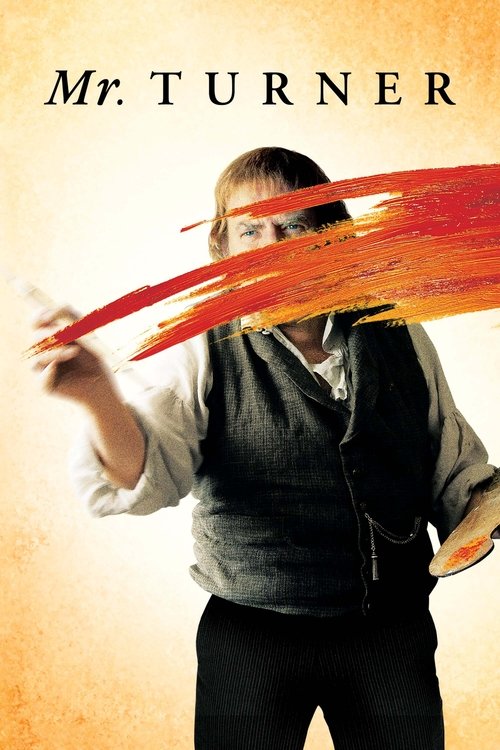
Mr. Turner
Eccentric British painter J.M.W. Turner lives his last 25 years with gusto and secretly becomes involved with a seaside landlady, while his faithful housekeeper bears an unrequited love for him.
The film earned $22.2M at the global box office.
Nominated for 4 Oscars. 20 wins & 71 nominations


Plot Structure
Story beats plotted across runtime


Narrative Arc
Emotional journey through the story's key moments
Story Circle
Blueprint 15-beat structure
Arcplot Score Breakdown
Weighted: Precision (70%) + Arc (15%) + Theme (15%)
Mr. Turner (2014) exemplifies deliberately positioned narrative architecture, characteristic of Mike Leigh's storytelling approach. This structural analysis examines how the film's 15-point plot structure maps to proven narrative frameworks across 2 hours and 30 minutes. With an Arcplot score of 6.8, the film balances conventional beats with creative variation.
Characters
Cast & narrative archetypes

J.M.W. Turner
Hannah Danby
William Turner Sr.
Sophia Booth
John Ruskin
Benjamin Haydon
Main Cast & Characters
J.M.W. Turner
Played by Timothy Spall
The brilliant but gruff landscape painter navigating fame, family, and his art in Victorian England. A complex genius wrestling with mortality and legacy.
Hannah Danby
Played by Dorothy Atkinson
Turner's devoted housekeeper and former lover, suffering from skin disease but remaining fiercely loyal despite his neglect and mistreatment.
William Turner Sr.
Played by Paul Jesson
Turner's elderly father and loyal assistant, helping prepare canvases and manage his son's affairs until his death.
Sophia Booth
Played by Marion Bailey
A seaside boarding house proprietor who becomes Turner's companion and lover in his later years, offering him refuge and comfort.
John Ruskin
Played by Joshua McGuire
The influential young art critic who champions Turner's later work, representing the intellectual appreciation of his genius.
Benjamin Haydon
Played by Martin Savage
A fellow painter and friend who struggles with poverty and jealousy, representing the darker side of artistic ambition.
Structural Analysis
The Status Quo at 2 minutes (1% through the runtime) establishes Turner paints a seascape outdoors, establishing him as a celebrated but eccentric artist in 1825 London, grunting and uncommunicative, obsessed with capturing light.. Structural examination shows that this early placement immediately immerses viewers in the story world.
The inciting incident occurs at 18 minutes when Turner's father, his closest companion and assistant, falls gravely ill, threatening the stable foundation of Turner's personal and professional life.. At 12% through the film, this Disruption aligns precisely with traditional story structure. This beat shifts the emotional landscape, launching the protagonist into the central conflict.
The First Threshold at 37 minutes marks the transition into Act II, occurring at 25% of the runtime. This shows the protagonist's commitment to After his father's death, Turner chooses to continue his artistic journey alone, visiting Margate and beginning a relationship with landlady Sophia Booth, opening himself to new experiences and vulnerability., moving from reaction to action.
At 75 minutes, the Midpoint arrives at 50% of the runtime—precisely centered, creating perfect narrative symmetry. Notably, this crucial beat Turner's radical new paintings face harsh public criticism and mockery; his progressive artistic vision is increasingly out of step with Victorian tastes, marking a professional decline., fundamentally raising what's at risk. The emotional intensity shifts, dividing the narrative into clear before-and-after phases.
The Collapse moment at 113 minutes (75% through) represents the emotional nadir. Here, Turner collapses from serious illness, confronting his mortality. His physical deterioration mirrors his artistic rejection, and he faces the reality that his radical vision may die unappreciated., demonstrates the protagonist at their lowest point. This beat's placement in the final quarter sets up the climactic reversal.
The Second Threshold at 120 minutes initiates the final act resolution at 80% of the runtime. Turner achieves acceptance and clarity: understanding that art transcends contemporary opinion, finding peace in Sophia's love, and embracing the light he has spent his life trying to capture., demonstrating the transformation achieved throughout the journey.
Emotional Journey
Mr. Turner's emotional architecture traces a deliberate progression across 15 carefully calibrated beats.
Narrative Framework
This structural analysis employs structural analysis methodology used to understand storytelling architecture. By mapping Mr. Turner against these established plot points, we can identify how Mike Leigh utilizes or subverts traditional narrative conventions. The plot point approach reveals not only adherence to structural principles but also creative choices that distinguish Mr. Turner within the history genre.
Mike Leigh's Structural Approach
Among the 5 Mike Leigh films analyzed on Arcplot, the average structural score is 6.9, demonstrating varied approaches to story architecture. Mr. Turner takes a more unconventional approach compared to the director's typical style. For comparative analysis, explore the complete Mike Leigh filmography.
Comparative Analysis
Additional history films include The Attacks Of 26/11, Joyeux Noel and Rob Roy. For more Mike Leigh analyses, see Another Year, Secrets & Lies and Vera Drake.
Plot Points by Act
Act I
SetupStatus Quo
Turner paints a seascape outdoors, establishing him as a celebrated but eccentric artist in 1825 London, grunting and uncommunicative, obsessed with capturing light.
Theme
Turner's father remarks that "the light is everything," suggesting the film's exploration of artistic obsession, mortality, and the relationship between creation and death.
Worldbuilding
Establishment of Turner's world: his London home with devoted housekeeper Hannah Danby, his father as assistant, his relationships with patrons, Royal Academy colleagues, and his hidden family with Sarah Danby.
Disruption
Turner's father, his closest companion and assistant, falls gravely ill, threatening the stable foundation of Turner's personal and professional life.
Resistance
Turner grapples with his father's decline and death, traveling to exhibit his work, engaging with fellow artists and critics, and beginning to confront his isolation and emotional numbness.
Act II
ConfrontationFirst Threshold
After his father's death, Turner chooses to continue his artistic journey alone, visiting Margate and beginning a relationship with landlady Sophia Booth, opening himself to new experiences and vulnerability.
Mirror World
Turner's relationship with Sophia Booth deepens, representing a thematic counterpoint - she offers genuine affection and companionship without demanding he be anyone other than himself.
Premise
Turner explores new artistic territories: experimenting with light and color, traveling for inspiration, navigating Royal Academy politics, and balancing his secret life with Sophia against his public persona.
Midpoint
Turner's radical new paintings face harsh public criticism and mockery; his progressive artistic vision is increasingly out of step with Victorian tastes, marking a professional decline.
Opposition
Turner faces mounting opposition: critical derision, the rise of photography threatening painting's relevance, deteriorating health, guilt over Hannah Danby's unrequited devotion, and the consequences of abandoning his illegitimate daughters.
Collapse
Turner collapses from serious illness, confronting his mortality. His physical deterioration mirrors his artistic rejection, and he faces the reality that his radical vision may die unappreciated.
Crisis
In weakened condition, Turner retreats to Sophia's care in Chelsea, reflecting on his life's choices, his failed relationships, and whether his artistic sacrifice was worthwhile.
Act III
ResolutionSecond Threshold
Turner achieves acceptance and clarity: understanding that art transcends contemporary opinion, finding peace in Sophia's love, and embracing the light he has spent his life trying to capture.
Synthesis
Turner's final days with Sophia, his last words about the sun, his peaceful death, and the film's resolution showing his legacy - misunderstood in life but vindicated by history.
Transformation
Turner dies peacefully in Sophia's arms facing the window and the light, transformed from the grunting, isolated figure of the opening to someone who found love and artistic truth.