
Mutiny on the Bounty
The Bounty leaves Portsmouth in 1787. Its destination: to sail to Tahiti and load bread-fruit. Captain Bligh will do anything to get there as fast as possible, using any means to keep up a strict discipline. When they arrive at Tahiti, it is like a paradise for the crew, something completely different than the living hell aboard the ship. On the way back to England, officer Fletcher Christian becomes the leader of a mutiny.
The film struggled financially against its respectable budget of $19.0M, earning $13.7M globally (-28% loss). While initial box office returns were modest, the film has gained appreciation for its innovative storytelling within the adventure genre.
Nominated for 7 Oscars. 3 wins & 13 nominations


Plot Structure
Story beats plotted across runtime


Narrative Arc
Emotional journey through the story's key moments
Story Circle
Blueprint 15-beat structure
Arcplot Score Breakdown
Weighted: Precision (70%) + Arc (15%) + Theme (15%)
Mutiny on the Bounty (1962) exemplifies meticulously timed dramatic framework, characteristic of Lewis Milestone's storytelling approach. This structural analysis examines how the film's 15-point plot structure maps to proven narrative frameworks across 3 hours and 5 minutes. With an Arcplot score of 6.7, the film balances conventional beats with creative variation.
Characters
Cast & narrative archetypes

Fletcher Christian

Captain William Bligh

Maimiti

John Mills
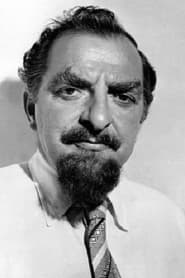
William Brown

Edward Young
Main Cast & Characters
Fletcher Christian
Played by Marlon Brando
First Lieutenant who leads the mutiny against Captain Bligh after witnessing cruelty and injustice aboard the Bounty.
Captain William Bligh
Played by Trevor Howard
Tyrannical captain of HMS Bounty whose brutal discipline and obsession with duty provoke the historic mutiny.
Maimiti
Played by Tarita Teriipaia
Tahitian princess who falls in love with Fletcher Christian and represents the paradise he leaves behind.
John Mills
Played by Richard Harris
Midshipman and loyal follower of Christian who joins the mutiny and struggles with the moral consequences.
William Brown
Played by Hugh Griffith
Botanist assistant aboard the Bounty who witnesses the escalating tensions and sides with the mutineers.
Edward Young
Played by Richard Haydn
Midshipman who reluctantly joins the mutiny and becomes one of Christian's key supporters.
Structural Analysis
The Status Quo at 2 minutes (1% through the runtime) establishes The HMS Bounty sits at Portsmouth harbor as officers and crew prepare for an expedition to Tahiti. Fletcher Christian, a privileged aristocrat and naval officer, embodies the refined gentleman of 18th century England.. The analysis reveals that this early placement immediately immerses viewers in the story world.
The inciting incident occurs at 22 minutes when Bligh orders the crew's rations cut to punish minor infractions and forces them to endure brutal conditions attempting to round Cape Horn. A sailor dies from the captain's harsh treatment, revealing the true nature of Bligh's tyranny.. At 12% through the film, this Disruption aligns precisely with traditional story structure. This beat shifts the emotional landscape, launching the protagonist into the central conflict.
The First Threshold at 46 minutes marks the transition into Act II, occurring at 25% of the runtime. This illustrates the protagonist's commitment to The Bounty arrives at Tahiti, and Christian makes the choice to embrace the island paradise and its people, beginning his transformation from obedient officer to a man questioning everything he's been taught., moving from reaction to action.
At 93 minutes, the Midpoint arrives at 50% of the runtime—precisely centered, creating perfect narrative symmetry. Of particular interest, this crucial beat The Bounty departs Tahiti, and Bligh immediately resumes his brutal command. He orders water rations cut to preserve the breadfruit plants, valuing cargo over human life—the false victory of completing the mission turns to despair., fundamentally raising what's at risk. The emotional intensity shifts, dividing the narrative into clear before-and-after phases.
The Collapse moment at 139 minutes (75% through) represents the emotional nadir. Here, A crew member dies from Bligh's mistreatment, and Christian realizes that more deaths will follow if nothing is done. His conscience can no longer permit silent obedience—his identity as a loyal officer dies in this moment., indicates the protagonist at their lowest point. This beat's placement in the final quarter sets up the climactic reversal.
The Second Threshold at 148 minutes initiates the final act resolution at 80% of the runtime. Christian seizes the ship in a dramatic mutiny, taking command of the Bounty and setting Bligh adrift in a small boat. He commits fully to his conscience over duty, knowing there is no return to his former life., demonstrating the transformation achieved throughout the journey.
Emotional Journey
Mutiny on the Bounty's emotional architecture traces a deliberate progression across 15 carefully calibrated beats.
Narrative Framework
This structural analysis employs structural analysis methodology used to understand storytelling architecture. By mapping Mutiny on the Bounty against these established plot points, we can identify how Lewis Milestone utilizes or subverts traditional narrative conventions. The plot point approach reveals not only adherence to structural principles but also creative choices that distinguish Mutiny on the Bounty within the adventure genre.
Lewis Milestone's Structural Approach
Among the 2 Lewis Milestone films analyzed on Arcplot, the average structural score is 6.9, demonstrating varied approaches to story architecture. Mutiny on the Bounty takes a more unconventional approach compared to the director's typical style. For comparative analysis, explore the complete Lewis Milestone filmography.
Comparative Analysis
Additional adventure films include The Black Stallion, The Bad Guys and Puss in Boots. For more Lewis Milestone analyses, see Ocean's Eleven.
Plot Points by Act
Act I
SetupStatus Quo
The HMS Bounty sits at Portsmouth harbor as officers and crew prepare for an expedition to Tahiti. Fletcher Christian, a privileged aristocrat and naval officer, embodies the refined gentleman of 18th century England.
Theme
Captain Bligh declares that discipline and absolute obedience are the foundations of naval order, stating that a captain's word is law at sea—establishing the conflict between authority and conscience that will drive the narrative.
Worldbuilding
The Bounty departs England on its mission to transport breadfruit plants from Tahiti to the West Indies. We see the rigid hierarchy of naval life, Bligh's cruel discipline, and the crew's growing discontent as harsh punishments are meted out.
Disruption
Bligh orders the crew's rations cut to punish minor infractions and forces them to endure brutal conditions attempting to round Cape Horn. A sailor dies from the captain's harsh treatment, revealing the true nature of Bligh's tyranny.
Resistance
Christian witnesses escalating cruelties but remains bound by duty and naval tradition. The ship changes course to go around Africa instead. Christian debates internally between his loyalty to the Crown and his conscience as more men suffer under Bligh's command.
Act II
ConfrontationFirst Threshold
The Bounty arrives at Tahiti, and Christian makes the choice to embrace the island paradise and its people, beginning his transformation from obedient officer to a man questioning everything he's been taught.
Mirror World
Christian meets Maimiti, the Tahitian chief's daughter, and begins a romance that introduces him to a society based on kindness and freedom rather than brutality and rigid hierarchy—a mirror to his English world.
Premise
The crew enjoys months in Tahiti gathering breadfruit specimens. Christian falls deeper in love with Maimiti and the Tahitian way of life. The contrast between paradise and the return to Bligh's tyranny becomes unbearable.
Midpoint
The Bounty departs Tahiti, and Bligh immediately resumes his brutal command. He orders water rations cut to preserve the breadfruit plants, valuing cargo over human life—the false victory of completing the mission turns to despair.
Opposition
Tensions mount as Bligh's cruelties intensify. Men are flogged for minor offenses, rations are withheld, and Christian is repeatedly humiliated. The crew reaches a breaking point as they sail further from Tahiti toward certain suffering.
Collapse
A crew member dies from Bligh's mistreatment, and Christian realizes that more deaths will follow if nothing is done. His conscience can no longer permit silent obedience—his identity as a loyal officer dies in this moment.
Crisis
Christian wrestles with the consequences of mutiny—hanging, disgrace, exile. He contemplates deserting alone rather than involving others, torn between his conscience and the enormity of what rebellion means.
Act III
ResolutionSecond Threshold
Christian seizes the ship in a dramatic mutiny, taking command of the Bounty and setting Bligh adrift in a small boat. He commits fully to his conscience over duty, knowing there is no return to his former life.
Synthesis
The mutineers return to Tahiti, then sail to remote Pitcairn Island to escape British justice. Christian establishes a new society, but internal conflicts and the burden of his choice weigh heavily as the settlers struggle to build a community.
Transformation
Christian is mortally wounded trying to save the burning Bounty. As he dies, he reflects on his choices and asks that the ship's log reach England to ensure the truth of Bligh's tyranny is known—a tragic but principled end.