
My Bodyguard
Clifford Peache, an easygoing teenager, is finding less than easy to fit in at his new high school, where a tough-talking bully terrorizes his classmates and extorts their lunch money. Refusing to pay up, Clifford enlist the aid of an overgrown misfit whose mere presence intimidates students and teachers alike. But their "business relationship" soon turns personal as Clifford and the troubled loner forge a winning alliance against their intimidators - and a very special friendship with each other.
The film earned $22.5M at the global box office.
1 win & 2 nominations


Plot Structure
Story beats plotted across runtime


Narrative Arc
Emotional journey through the story's key moments
Story Circle
Blueprint 15-beat structure
Arcplot Score Breakdown
Weighted: Precision (70%) + Arc (15%) + Theme (15%)
My Bodyguard (1980) demonstrates strategically placed narrative design, characteristic of Tony Bill's storytelling approach. This structural analysis examines how the film's 15-point plot structure maps to proven narrative frameworks across 1 hour and 36 minutes. With an Arcplot score of 6.7, the film balances conventional beats with creative variation.
Characters
Cast & narrative archetypes
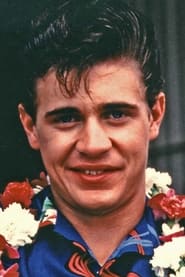
Clifford Peache
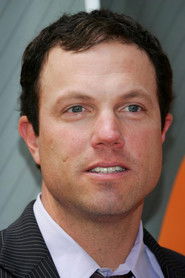
Ricky Linderman
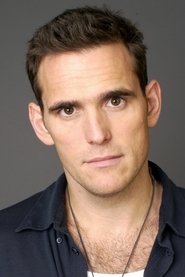
Melvin Moody

Mr. Peache
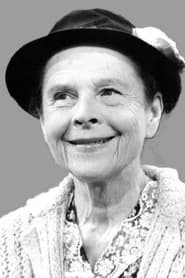
Grandma
Main Cast & Characters
Clifford Peache
Played by Chris Makepeace
A shy new student at a Chicago high school who hires the school's most feared student as protection from bullies.
Ricky Linderman
Played by Adam Baldwin
A quiet, troubled loner with a tragic past who becomes Clifford's unlikely protector and friend.
Melvin Moody
Played by Matt Dillon
The school bully who extorts money from students through intimidation and threats of violence.
Mr. Peache
Played by Martin Mull
Clifford's unconventional father who manages the Ambassador East Hotel in Chicago.
Grandma
Played by Ruth Gordon
Clifford's eccentric grandmother who lives with the family at the hotel.
Structural Analysis
The Status Quo at 1 minutes (1% through the runtime) establishes Clifford Peache walks through the upscale Ambassador East Hotel where he lives with his father and eccentric grandmother, establishing his privileged but sheltered existence before his first day at public school.. Notably, this early placement immediately immerses viewers in the story world.
The inciting incident occurs at 12 minutes when Moody and his gang corner Clifford in the bathroom, demanding protection money. The bully's extortion racket directly threatens Clifford, making it impossible to simply blend in as the new kid.. At 12% through the film, this Disruption aligns precisely with traditional story structure. This beat shifts the emotional landscape, launching the protagonist into the central conflict.
The First Threshold at 24 minutes marks the transition into Act II, occurring at 25% of the runtime. This demonstrates the protagonist's commitment to Clifford makes the bold choice to approach the intimidating Linderman and offers to pay him to be his bodyguard. Despite initial rejection, Clifford persists, crossing the threshold from victim to someone taking action., moving from reaction to action.
At 48 minutes, the Midpoint arrives at 50% of the runtime—precisely centered, creating perfect narrative symmetry. Significantly, this crucial beat Clifford discovers the truth about Linderman's past - his younger brother drowned accidentally, and Ricky blames himself. This false victory deepens their friendship as Clifford sees Ricky as a real person, but it also reveals Ricky's emotional vulnerability., fundamentally raising what's at risk. The emotional intensity shifts, dividing the narrative into clear before-and-after phases.
The Collapse moment at 72 minutes (75% through) represents the emotional nadir. Here, Linderman refuses to fight and walks away from the confrontation, leaving Clifford exposed. The bullies beat up Clifford and destroy Ricky's beloved motorcycle - the symbol of their friendship lies in ruins. Clifford feels utterly abandoned and defeated., shows the protagonist at their lowest point. This beat's placement in the final quarter sets up the climactic reversal.
The Second Threshold at 77 minutes initiates the final act resolution at 80% of the runtime. Clifford decides to face Moody himself, no longer hiding behind a bodyguard. He realizes that running and paying for protection will never solve his problem - he must stand up for himself regardless of the outcome., demonstrating the transformation achieved throughout the journey.
Emotional Journey
My Bodyguard's emotional architecture traces a deliberate progression across 15 carefully calibrated beats.
Narrative Framework
This structural analysis employs a 15-point narrative structure framework that maps key story moments. By mapping My Bodyguard against these established plot points, we can identify how Tony Bill utilizes or subverts traditional narrative conventions. The plot point approach reveals not only adherence to structural principles but also creative choices that distinguish My Bodyguard within the comedy genre.
Tony Bill's Structural Approach
Among the 2 Tony Bill films analyzed on Arcplot, the average structural score is 6.6, demonstrating varied approaches to story architecture. My Bodyguard represents one of the director's most structurally precise works. For comparative analysis, explore the complete Tony Bill filmography.
Comparative Analysis
Additional comedy films include The Bad Guys, Ella Enchanted and The Evening Star. For more Tony Bill analyses, see Flyboys.
Plot Points by Act
Act I
SetupStatus Quo
Clifford Peache walks through the upscale Ambassador East Hotel where he lives with his father and eccentric grandmother, establishing his privileged but sheltered existence before his first day at public school.
Theme
Clifford's grandmother tells him that in life you have to learn to stand up for yourself because nobody else will do it for you - foreshadowing his journey from passive victim to someone who earns respect through genuine connection.
Worldbuilding
Clifford navigates his first days at Lake View High School, encountering the social hierarchy, meeting potential friends like Shelley, and learning about the feared Ricky Linderman and the rumors that he killed a kid.
Disruption
Moody and his gang corner Clifford in the bathroom, demanding protection money. The bully's extortion racket directly threatens Clifford, making it impossible to simply blend in as the new kid.
Resistance
Clifford debates how to handle the bullying - he tries avoiding Moody, considers paying up, and observes Ricky Linderman from afar. His father offers ineffective advice while Clifford weighs his options and develops his unconventional plan.
Act II
ConfrontationFirst Threshold
Clifford makes the bold choice to approach the intimidating Linderman and offers to pay him to be his bodyguard. Despite initial rejection, Clifford persists, crossing the threshold from victim to someone taking action.
Mirror World
Linderman accepts Clifford's offer, and their unlikely partnership begins. This relationship will teach Clifford that true strength comes from understanding and friendship, not from hired muscle or intimidation.
Premise
The "fun and games" of the bodyguard arrangement: Moody backs off, Clifford gains status at school, and he gradually befriends the withdrawn Linderman. They bond while restoring Linderman's motorcycle, and Clifford learns Ricky isn't a killer but a grieving brother.
Midpoint
Clifford discovers the truth about Linderman's past - his younger brother drowned accidentally, and Ricky blames himself. This false victory deepens their friendship as Clifford sees Ricky as a real person, but it also reveals Ricky's emotional vulnerability.
Opposition
Moody recruits his own bodyguard - the older, dangerous Mike. The bullies escalate their harassment. Clifford's protective arrangement begins to crumble as Moody challenges Linderman to a fight, and Ricky's reluctance to fight becomes a liability.
Collapse
Linderman refuses to fight and walks away from the confrontation, leaving Clifford exposed. The bullies beat up Clifford and destroy Ricky's beloved motorcycle - the symbol of their friendship lies in ruins. Clifford feels utterly abandoned and defeated.
Crisis
Clifford processes the betrayal and loss. He's beaten, his protector has abandoned him, and their friendship seems destroyed. He must face the reality that relying on someone else's strength was never the real solution.
Act III
ResolutionSecond Threshold
Clifford decides to face Moody himself, no longer hiding behind a bodyguard. He realizes that running and paying for protection will never solve his problem - he must stand up for himself regardless of the outcome.
Synthesis
Clifford confronts Moody and Mike alone, getting beaten but refusing to back down. Linderman, inspired by Clifford's courage, returns to help - not as a hired bodyguard but as a true friend. Together they defeat the bullies in a cathartic final battle.
Transformation
Clifford and Ricky walk away as genuine equals and friends. Clifford has transformed from a scared rich kid hiding behind others into someone who found courage within himself, while helping Ricky emerge from his grief and isolation.