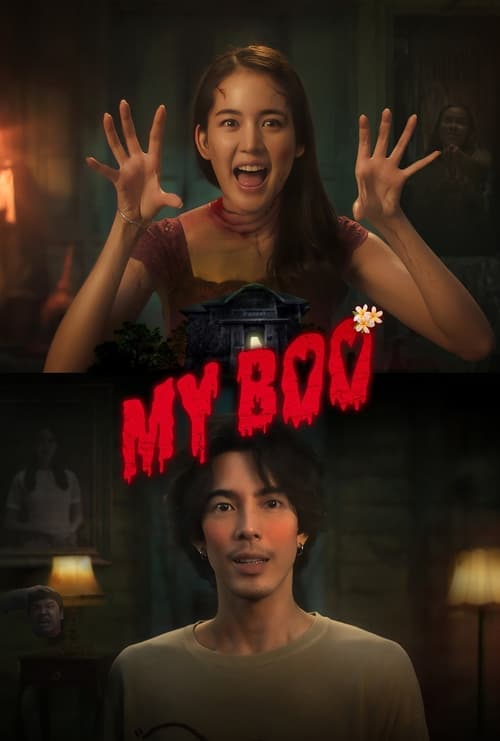
My Boo
Joe finds a way to make some cash out of the creepy old house he inherited. But he didn't think he'd find love with one of the ghosts haunting it.
The film earned $4.5M at the global box office.


Plot Structure
Story beats plotted across runtime


Narrative Arc
Emotional journey through the story's key moments
Story Circle
Blueprint 15-beat structure
Arcplot Score Breakdown
Weighted: Precision (70%) + Arc (15%) + Theme (15%)
My Boo (2024) demonstrates carefully calibrated narrative design, characteristic of Khomkrit Treewimol's storytelling approach. This structural analysis examines how the film's 15-point plot structure maps to proven narrative frameworks across 2 hours and 5 minutes. With an Arcplot score of 7.1, the film balances conventional beats with creative variation.
Structural Analysis
The Status Quo at 2 minutes (1% through the runtime) establishes Joe lives a lonely, isolated life, going through the motions without genuine connection. He's shown avoiding people and living in his own world, emotionally closed off.. Structural examination shows that this early placement immediately immerses viewers in the story world.
The inciting incident occurs at 15 minutes when Joe encounters Boo, a ghost who appears in his life unexpectedly. The supernatural intrusion disrupts his carefully controlled, isolated existence and frightens him.. At 12% through the film, this Disruption aligns precisely with traditional story structure. This beat shifts the emotional landscape, launching the protagonist into the central conflict.
The First Threshold at 30 minutes marks the transition into Act II, occurring at 24% of the runtime. This demonstrates the protagonist's commitment to Joe makes the active choice to help Boo with her unfinished business or agrees to let her stay. He accepts entering this supernatural world and engaging with her., moving from reaction to action.
At 63 minutes, the Midpoint arrives at 50% of the runtime—precisely centered, creating perfect narrative symmetry. The analysis reveals that this crucial beat Joe and Boo confess their feelings for each other, sharing a romantic moment. It seems like they've found happiness, but the underlying impossibility of their situation looms—this is a false victory., fundamentally raising what's at risk. The emotional intensity shifts, dividing the narrative into clear before-and-after phases.
The Collapse moment at 95 minutes (76% through) represents the emotional nadir. Here, Boo begins to disappear or must cross over to the afterlife. Joe faces losing her completely—a metaphorical death of their relationship and his chance at love. All seems lost., indicates the protagonist at their lowest point. This beat's placement in the final quarter sets up the climactic reversal.
The Second Threshold at 100 minutes initiates the final act resolution at 80% of the runtime. Joe realizes that loving Boo—even if he loses her—has transformed him. He gains the courage to fight for their love or let her go with grace, understanding that vulnerability was worth it., demonstrating the transformation achieved throughout the journey.
Emotional Journey
My Boo's emotional architecture traces a deliberate progression across 15 carefully calibrated beats.
Narrative Framework
This structural analysis employs structural analysis methodology used to understand storytelling architecture. By mapping My Boo against these established plot points, we can identify how Khomkrit Treewimol utilizes or subverts traditional narrative conventions. The plot point approach reveals not only adherence to structural principles but also creative choices that distinguish My Boo within the romance genre.
Comparative Analysis
Additional romance films include South Pacific, Dirty Dancing: Havana Nights and The Evening Star.
Plot Points by Act
Act I
SetupStatus Quo
Joe lives a lonely, isolated life, going through the motions without genuine connection. He's shown avoiding people and living in his own world, emotionally closed off.
Theme
A friend or family member tells Joe that "you can't spend your whole life afraid of getting hurt" or "real love means being brave enough to be seen," establishing the theme of vulnerability and openness.
Worldbuilding
We see Joe's daily routine, his relationships (or lack thereof), his work life, and the world he inhabits. We understand his fear of connection and what's missing from his life.
Disruption
Joe encounters Boo, a ghost who appears in his life unexpectedly. The supernatural intrusion disrupts his carefully controlled, isolated existence and frightens him.
Resistance
Joe resists the presence of Boo, tries to get rid of her, seeks help from spiritual advisors or friends. He debates whether to accept this strange new reality or fight against it.
Act II
ConfrontationFirst Threshold
Joe makes the active choice to help Boo with her unfinished business or agrees to let her stay. He accepts entering this supernatural world and engaging with her.
Mirror World
Joe and Boo begin to form a genuine connection. Boo, as a ghost with nothing to lose, shows complete openness and vulnerability, modeling the emotional honesty Joe lacks.
Premise
The fun romantic-comedy moments: Joe and Boo navigate daily life together, comic supernatural mishaps occur, they help each other, and romance blossoms despite the impossible circumstances.
Midpoint
Joe and Boo confess their feelings for each other, sharing a romantic moment. It seems like they've found happiness, but the underlying impossibility of their situation looms—this is a false victory.
Opposition
The reality of their situation closes in: Boo is fading, or the supernatural rules demand she move on. External forces or Joe's old patterns threaten their relationship. Stakes intensify.
Collapse
Boo begins to disappear or must cross over to the afterlife. Joe faces losing her completely—a metaphorical death of their relationship and his chance at love. All seems lost.
Crisis
Joe sits in darkness and grief, processing the loss. He reflects on what Boo taught him about love, vulnerability, and truly living rather than hiding from life.
Act III
ResolutionSecond Threshold
Joe realizes that loving Boo—even if he loses her—has transformed him. He gains the courage to fight for their love or let her go with grace, understanding that vulnerability was worth it.
Synthesis
Joe takes action based on his new understanding: either finding a way to be with Boo in the supernatural realm, helping her complete her unfinished business, or saying a proper goodbye while committing to live openly.
Transformation
Joe is shown having transformed into someone open to connection, whether with Boo (if they found a way) or with the living world around him. He's no longer isolated but embracing life and love.