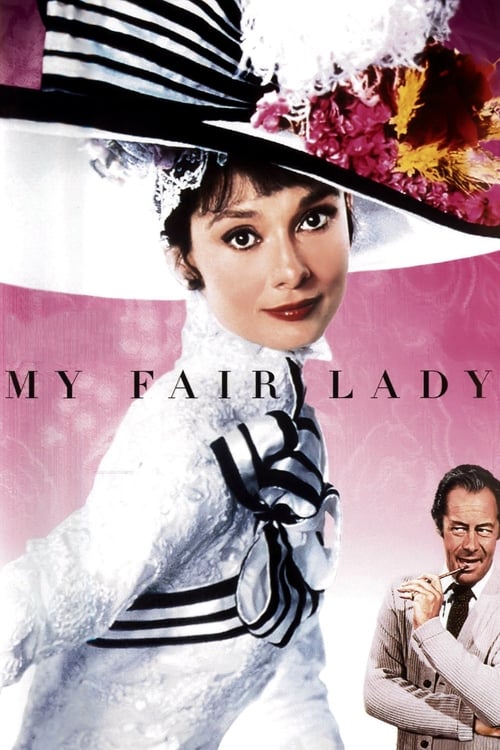
My Fair Lady
A snobbish phonetics professor agrees to a wager that he can take a flower girl and make her presentable in high society.
Despite a moderate budget of $17.0M, My Fair Lady became a solid performer, earning $72.7M worldwide—a 327% return.
8 Oscars. 26 wins & 13 nominations


Plot Structure
Story beats plotted across runtime


Narrative Arc
Emotional journey through the story's key moments
Story Circle
Blueprint 15-beat structure
Arcplot Score Breakdown
Weighted: Precision (70%) + Arc (15%) + Theme (15%)
My Fair Lady (1964) reveals precise narrative design, characteristic of George Cukor's storytelling approach. This structural analysis examines how the film's 15-point plot structure maps to proven narrative frameworks across 2 hours and 50 minutes. With an Arcplot score of 6.5, the film balances conventional beats with creative variation.
Characters
Cast & narrative archetypes

Eliza Doolittle
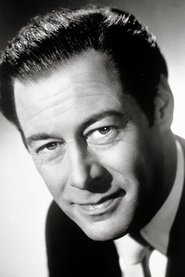
Henry Higgins

Colonel Hugh Pickering

Alfred P. Doolittle

Freddy Eynsford-Hill
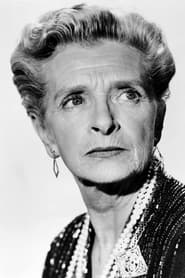
Mrs. Higgins
Main Cast & Characters
Eliza Doolittle
Played by Audrey Hepburn
A Cockney flower girl transformed into a lady through phonetics training. Her journey is one of self-discovery and claiming her own identity.
Henry Higgins
Played by Rex Harrison
A brilliant but arrogant phonetics professor who takes on the challenge of transforming Eliza. He is emotionally detached and dismissive of women.
Colonel Hugh Pickering
Played by Wilfrid Hyde-White
A kind-hearted linguist and gentleman who befriends Higgins and treats Eliza with respect. He serves as the moral conscience and wagers on her transformation.
Alfred P. Doolittle
Played by Stanley Holloway
Eliza's roguish, philosophical father who lives by his own moral code. He transforms from a dustman to a gentleman through unexpected inheritance.
Freddy Eynsford-Hill
Played by Jeremy Brett
A young, lovesick aristocrat who falls deeply in love with Eliza. He represents genuine romantic devotion but lacks ambition.
Mrs. Higgins
Played by Gladys Cooper
Henry's wise and dignified mother who sees through her son's emotional immaturity and befriends Eliza with genuine warmth.
Structural Analysis
The Status Quo at 2 minutes (1% through the runtime) establishes Eliza Doolittle sells flowers outside Covent Garden Opera House, speaking in thick Cockney accent, dismissed and invisible to high society. She represents the lowest rung of Edwardian London's rigid class system.. Structural examination shows that this early placement immediately immerses viewers in the story world.
The inciting incident occurs at 20 minutes when Eliza arrives at 27A Wimpole Street with money saved from selling flowers, demanding Higgins teach her to speak properly so she can work in a flower shop. Her audacity disrupts Higgins's comfortable world of academic detachment.. At 12% through the film, this Disruption aligns precisely with traditional story structure. This beat shifts the emotional landscape, launching the protagonist into the central conflict.
The First Threshold at 43 minutes marks the transition into Act II, occurring at 25% of the runtime. This illustrates the protagonist's commitment to Eliza is bathed, dressed in clean nightgown, and begins her first phonetics lesson. She actively commits to the transformation, crossing from her old life into Higgins's world. "The Servants' Chorus" marks her entry into a new existence., moving from reaction to action.
At 85 minutes, the Midpoint arrives at 50% of the runtime—precisely centered, creating perfect narrative symmetry. The analysis reveals that this crucial beat The Embassy Ball: Eliza's stunning triumph as she fools everyone, including a Hungarian phonetics expert, into believing she's a princess. False victory—she's won the bet but remains merely Higgins's creation, not recognized as a person in her own right. Stakes raise: what happens after the experiment ends?., fundamentally raising what's at risk. The emotional intensity shifts, dividing the narrative into clear before-and-after phases.
The Collapse moment at 128 minutes (75% through) represents the emotional nadir. Here, Eliza leaves Higgins after their confrontation, singing "Without You"—declaring her independence. For Higgins, this is his "All Is Lost" moment: his creation has rejected him, exposing the emptiness of his emotional life. The death of his comfortable, detached existence., demonstrates the protagonist at their lowest point. This beat's placement in the final quarter sets up the climactic reversal.
The Second Threshold at 136 minutes initiates the final act resolution at 80% of the runtime. Higgins goes to his mother's house and encounters Eliza, now composed and independent. He sees clearly for the first time that she has become her own person. The synthesis: Eliza combines her original spirit with her new education, no longer needing his approval., demonstrating the transformation achieved throughout the journey.
Emotional Journey
My Fair Lady's emotional architecture traces a deliberate progression across 15 carefully calibrated beats.
Narrative Framework
This structural analysis employs a 15-point narrative structure framework that maps key story moments. By mapping My Fair Lady against these established plot points, we can identify how George Cukor utilizes or subverts traditional narrative conventions. The plot point approach reveals not only adherence to structural principles but also creative choices that distinguish My Fair Lady within the music genre.
George Cukor's Structural Approach
Among the 4 George Cukor films analyzed on Arcplot, the average structural score is 6.9, demonstrating varied approaches to story architecture. My Fair Lady takes a more unconventional approach compared to the director's typical style. For comparative analysis, explore the complete George Cukor filmography.
Comparative Analysis
Additional music films include South Pacific, Dirty Dancing: Havana Nights and Yesterday. For more George Cukor analyses, see A Star Is Born, Adam's Rib and The Philadelphia Story.
Plot Points by Act
Act I
SetupStatus Quo
Eliza Doolittle sells flowers outside Covent Garden Opera House, speaking in thick Cockney accent, dismissed and invisible to high society. She represents the lowest rung of Edwardian London's rigid class system.
Theme
Professor Higgins declares "Why can't the English teach their children how to speak?" and boasts he could pass off a flower girl as a duchess in six months. The theme of transformation through education versus inherent worth is stated.
Worldbuilding
Establishment of the world: Higgins's obsession with phonetics and contempt for the lower classes, Colonel Pickering as his colleague, Eliza's desperate poverty and dreams of working in a proper flower shop, and the insurmountable class divisions of 1912 London.
Disruption
Eliza arrives at 27A Wimpole Street with money saved from selling flowers, demanding Higgins teach her to speak properly so she can work in a flower shop. Her audacity disrupts Higgins's comfortable world of academic detachment.
Resistance
Higgins debates whether to take on the challenge. Pickering makes a wager: if Higgins can pass Eliza off as a lady at the Embassy Ball in six months, he'll cover the experiment's costs. Eliza's father Alfred Doolittle appears, introducing comic relief and thematic counterpoint about middle-class morality.
Act II
ConfrontationFirst Threshold
Eliza is bathed, dressed in clean nightgown, and begins her first phonetics lesson. She actively commits to the transformation, crossing from her old life into Higgins's world. "The Servants' Chorus" marks her entry into a new existence.
Mirror World
Freddy Eynsford-Hill, smitten with Eliza outside Higgins's house, represents genuine romantic love and appreciation for who Eliza is. This subplot carries the theme that Eliza deserves to be valued as a person, not an experiment.
Premise
The promise of the premise: Eliza's training montage, breakthrough moment in "The Rain in Spain," her triumph singing "I Could Have Danced All Night," the comic disaster at Ascot ("Move your bloomin' arse!"), and gradual mastery of refined speech and manners.
Midpoint
The Embassy Ball: Eliza's stunning triumph as she fools everyone, including a Hungarian phonetics expert, into believing she's a princess. False victory—she's won the bet but remains merely Higgins's creation, not recognized as a person in her own right. Stakes raise: what happens after the experiment ends?
Opposition
Post-ball emptiness: Higgins celebrates his own achievement while ignoring Eliza's contribution. Eliza's growing awareness she's been used; Higgins's cruel indifference ("I treat a flower girl as a duchess and a duchess as a flower girl"). Tension escalates as Eliza realizes she belongs nowhere—too refined for her old life, too much a creation for the new one.
Collapse
Eliza leaves Higgins after their confrontation, singing "Without You"—declaring her independence. For Higgins, this is his "All Is Lost" moment: his creation has rejected him, exposing the emptiness of his emotional life. The death of his comfortable, detached existence.
Crisis
Higgins's dark night: he returns home alone, unable to sleep, wandering his empty house. "I've Grown Accustomed to Her Face" reveals his emotional transformation—he's finally feeling what he denied, but struggles to acknowledge it or change his behavior.
Act III
ResolutionSecond Threshold
Higgins goes to his mother's house and encounters Eliza, now composed and independent. He sees clearly for the first time that she has become her own person. The synthesis: Eliza combines her original spirit with her new education, no longer needing his approval.
Synthesis
Final confrontation at Mrs. Higgins's home: Eliza asserts her independence and self-worth, rejecting Higgins's patronizing attitude. She plans to marry Freddy and teach phonetics herself. Higgins offers a half-acknowledgment of her equality while maintaining his pride. The class system hasn't changed, but Eliza has transcended it internally.
Transformation
Eliza returns to Wimpole Street and retrieves Higgins's slippers. Ambiguous ending: she returns not as a dependent flower girl, but as an independent woman choosing to be there. The transformation complete—from invisible flower girl to self-possessed woman who knows her worth.