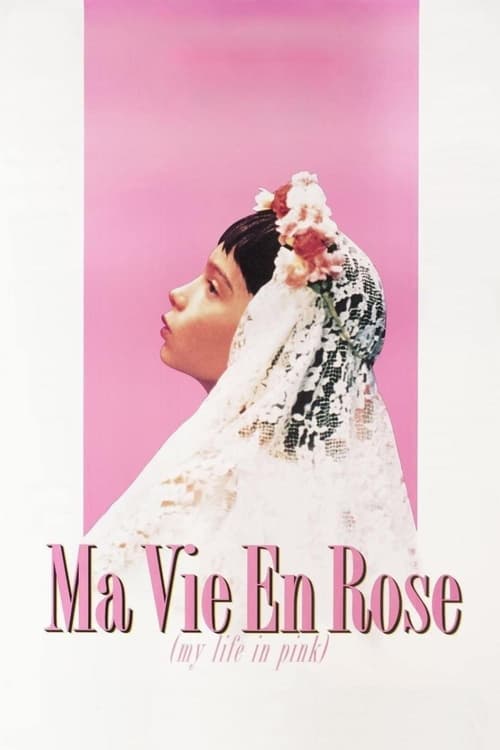
My Life in Pink
Ludovic is waiting for a miracle. With six-year-old certainty, she believes she was meant to be a little girl -- and that the mistake will soon be corrected. But where she expects the miraculous, Ludo finds only rejection, isolation, and guilt -- as the intense reactions of family, friends, and neighbors strip away every innocent lace and bauble.
Despite its small-scale budget of $3.2M, My Life in Pink became a commercial success, earning $7.1M worldwide—a 122% return.
Nominated for 1 BAFTA Award13 wins & 7 nominations


Plot Structure
Story beats plotted across runtime


Narrative Arc
Emotional journey through the story's key moments
Story Circle
Blueprint 15-beat structure
Arcplot Score Breakdown
Weighted: Precision (70%) + Arc (15%) + Theme (15%)
My Life in Pink (1997) reveals strategically placed story structure, characteristic of Alain Berliner's storytelling approach. This structural analysis examines how the film's 15-point plot structure maps to proven narrative frameworks across 1 hour and 28 minutes. With an Arcplot score of 7.2, the film balances conventional beats with creative variation.
Characters
Cast & narrative archetypes

Ludovic Fabre
Hanna Fabre
Pierre Fabre
Granny Elisabeth
Albert Fabre
Jerome
Zoé Fabre
Jean Fabre
Main Cast & Characters
Ludovic Fabre
Played by Georges Du Fresne
A seven-year-old child assigned male at birth who identifies as a girl and dreams of marrying her neighbor Jerome.
Hanna Fabre
Played by Michèle Laroque
Ludovic's mother who struggles between loving her child and conforming to social expectations.
Pierre Fabre
Played by Jean-Philippe Écoffey
Ludovic's father, a conformist who prioritizes his career and social standing over understanding his child.
Granny Elisabeth
Played by Hélène Vincent
Ludovic's wise and accepting grandmother who provides unconditional love and support.
Albert Fabre
Played by Jean-François Gallotte
Ludovic's therapist hired by the parents to "fix" Ludovic, representing medical establishment attitudes.
Jerome
Played by Julien Rivière
Ludovic's young neighbor and object of affection, son of Pierre's boss.
Zoé Fabre
Played by Caroline Lecoyer
Ludovic's older sister who is embarrassed by her sibling's behavior.
Jean Fabre
Played by Cristiano Muchini
Ludovic's twin brother who shows occasional sympathy but mostly distance.
Structural Analysis
The Status Quo at 1 minutes (1% through the runtime) establishes The Fabre family's housewarming party in their new suburban home. Ludovic appears in a dress, revealing their identity to the shocked neighbors for the first time.. Significantly, this early placement immediately immerses viewers in the story world.
The inciting incident occurs at 10 minutes when Ludovic's father Pierre is humiliated at work when his boss (Jérôme's father) learns about Ludovic's behavior. The family realizes this isn't a "phase" but a crisis that threatens their social standing.. At 12% through the film, this Disruption aligns precisely with traditional story structure. This beat shifts the emotional landscape, launching the protagonist into the central conflict.
The First Threshold at 22 minutes marks the transition into Act II, occurring at 25% of the runtime. This illustrates the protagonist's commitment to Ludovic is discovered in a wedding dress attempting to marry Jérôme in a mock ceremony. This public act forces the family to actively confront the situation rather than dismissing it as childhood play., moving from reaction to action.
At 43 minutes, the Midpoint arrives at 49% of the runtime—precisely centered, creating perfect narrative symmetry. The analysis reveals that this crucial beat Pierre loses his job due to the scandal surrounding Ludovic. What seemed like social embarrassment becomes economic catastrophe. The stakes dramatically escalate from reputation to survival., fundamentally raising what's at risk. The emotional intensity shifts, dividing the narrative into clear before-and-after phases.
The Collapse moment at 65 minutes (74% through) represents the emotional nadir. Here, Ludovic is expelled from school and community rejection reaches its peak. Hanna has an emotional breakdown, screaming at Ludovic to "be normal." The family unit fractures; innocence dies., illustrates the protagonist at their lowest point. This beat's placement in the final quarter sets up the climactic reversal.
The Second Threshold at 70 minutes initiates the final act resolution at 80% of the runtime. In the new neighborhood, Ludovic meets Christine, the daughter of their new neighbors, who accepts Ludovic without judgment. A new community proves different communities have different values., demonstrating the transformation achieved throughout the journey.
Emotional Journey
My Life in Pink's emotional architecture traces a deliberate progression across 15 carefully calibrated beats.
Narrative Framework
This structural analysis employs a 15-point narrative structure framework that maps key story moments. By mapping My Life in Pink against these established plot points, we can identify how Alain Berliner utilizes or subverts traditional narrative conventions. The plot point approach reveals not only adherence to structural principles but also creative choices that distinguish My Life in Pink within the drama genre.
Comparative Analysis
Additional drama films include After Thomas, South Pacific and Dirty Dancing: Havana Nights.
Plot Points by Act
Act I
SetupStatus Quo
The Fabre family's housewarming party in their new suburban home. Ludovic appears in a dress, revealing their identity to the shocked neighbors for the first time.
Theme
Ludovic explains to their parents: "When I grow up, I'm going to marry Jérôme." The statement of identity and the desire to be accepted for who you are, regardless of societal expectations.
Worldbuilding
Establishment of the suburban neighborhood, the Fabre family dynamics, Ludovic's fascination with Pam (a Barbie-like doll), and the conservative community's initial reactions to Ludovic's gender expression.
Disruption
Ludovic's father Pierre is humiliated at work when his boss (Jérôme's father) learns about Ludovic's behavior. The family realizes this isn't a "phase" but a crisis that threatens their social standing.
Resistance
The parents debate how to handle Ludovic. They consult psychologists, try to enforce masculine behavior, and struggle between protecting their child and protecting their reputation. Ludovic resists change.
Act II
ConfrontationFirst Threshold
Ludovic is discovered in a wedding dress attempting to marry Jérôme in a mock ceremony. This public act forces the family to actively confront the situation rather than dismissing it as childhood play.
Mirror World
Introduction of Ludovic's fantasy sequences with Pam in a magical pink world. This imaginary realm represents acceptance, femininity, and the world where Ludovic can be themselves without judgment.
Premise
Ludovic navigates school, family expectations, and social ostracism while maintaining their identity. The promise of the premise: a child's unwavering self-knowledge against societal pressure. Fantasy sequences intensify.
Midpoint
Pierre loses his job due to the scandal surrounding Ludovic. What seemed like social embarrassment becomes economic catastrophe. The stakes dramatically escalate from reputation to survival.
Opposition
The family faces unemployment, social isolation, and internal conflict. Neighbors shun them, siblings suffer at school, and the mother Hanna increasingly blames Ludovic. Pressure mounts from all sides.
Collapse
Ludovic is expelled from school and community rejection reaches its peak. Hanna has an emotional breakdown, screaming at Ludovic to "be normal." The family unit fractures; innocence dies.
Crisis
The family moves to a new town to escape. Ludovic withdraws into silence and conformity, suppressing their identity. The dark night: has society won? Can Ludovic survive by being someone else?
Act III
ResolutionSecond Threshold
In the new neighborhood, Ludovic meets Christine, the daughter of their new neighbors, who accepts Ludovic without judgment. A new community proves different communities have different values.
Synthesis
Ludovic cautiously expresses their identity again. The new neighbors prove more accepting. Hanna begins to truly see and accept her child. The family reconciles, choosing love over conformity.
Transformation
Ludovic, dressed femininely, plays freely with Christine while Hanna watches with acceptance and a gentle smile. The mirror to the opening: same child, same truth, but transformed family acceptance.