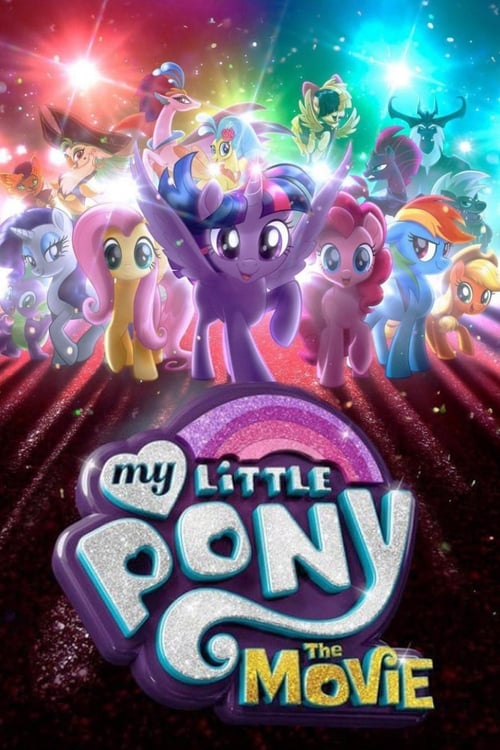
My Little Pony: The Movie
A new dark force threatens Ponyville, and the Mane 6 – Twilight Sparkle, Applejack, Rainbow Dash, Pinkie Pie, Fluttershy and Rarity – embark on an unforgettable journey beyond Equestria where they meet new friends and exciting challenges on a quest to use the magic of friendship and save their home.
Despite its limited budget of $6.0M, My Little Pony: The Movie became a massive hit, earning $61.3M worldwide—a remarkable 922% return. The film's compelling narrative engaged audiences, illustrating how strong storytelling can transcend budget limitations.
5 wins & 6 nominations


Plot Structure
Story beats plotted across runtime


Narrative Arc
Emotional journey through the story's key moments
Story Circle
Blueprint 15-beat structure
Arcplot Score Breakdown
Weighted: Precision (70%) + Arc (15%) + Theme (15%)
My Little Pony: The Movie (2017) reveals strategically placed plot construction, characteristic of Jayson Thiessen's storytelling approach. This structural analysis examines how the film's 15-point plot structure maps to proven narrative frameworks across 1 hour and 39 minutes. With an Arcplot score of 7.2, the film balances conventional beats with creative variation.
Characters
Cast & narrative archetypes

Twilight Sparkle
Tempest Shadow
Pinkie Pie
Rainbow Dash
Rarity
Fluttershy
Applejack
Spike
Main Cast & Characters
Twilight Sparkle
Played by Tara Strong
Princess of Friendship and leader of the ponies who must save Equestria from invasion.
Tempest Shadow
Played by Emily Blunt
Broken-horned unicorn working for the Storm King, seeking to restore her magic.
Pinkie Pie
Played by Andrea Libman
Eternally optimistic party pony who spreads joy and laughter.
Rainbow Dash
Played by Ashleigh Ball
Confident and loyal pegasus who values speed and bravery.
Rarity
Played by Tabitha St. Germain
Fashionable unicorn who values beauty and generosity.
Fluttershy
Played by Andrea Libman
Gentle and kind pegasus who cares for animals and avoids conflict.
Applejack
Played by Ashleigh Ball
Honest and hardworking earth pony devoted to family and tradition.
Spike
Played by Cathy Weseluck
Twilight's loyal baby dragon assistant and faithful companion.
Structural Analysis
The Status Quo at 1 minutes (1% through the runtime) establishes Equestria is shown in perfect harmony with ponies preparing for the Friendship Festival. Twilight Sparkle is organizing everything meticulously, showcasing her perfectionist nature and established friendships.. Notably, this early placement immediately immerses viewers in the story world.
The inciting incident occurs at 11 minutes when Tempest Shadow and the Storm King's forces attack during the Friendship Festival, turning ponies to stone and destroying the celebration. The princesses are captured, forcing Twilight and friends to flee.. At 12% through the film, this Disruption aligns precisely with traditional story structure. This beat shifts the emotional landscape, launching the protagonist into the central conflict.
The First Threshold at 24 minutes marks the transition into Act II, occurring at 24% of the runtime. This reveals the protagonist's commitment to Twilight makes the active choice to leave Equestria and seek the hippogriffs' help, crossing the border into the dangerous unknown world beyond. This is their first time leaving home, entering uncharted territory., moving from reaction to action.
At 50 minutes, the Midpoint arrives at 51% of the runtime—precisely centered, creating perfect narrative symmetry. Significantly, this crucial beat The group reaches the underwater city of Seaquestria and meets Princess Skystar. They've found potential allies and safety - a false victory. Twilight sees the magical pearl that could save Equestria, raising the stakes and her desperation., fundamentally raising what's at risk. The emotional intensity shifts, dividing the narrative into clear before-and-after phases.
The Collapse moment at 72 minutes (73% through) represents the emotional nadir. Here, Twilight is captured by Tempest and caged. All her friends are imprisoned. Her attempt to handle everything herself has failed completely, and she's alone, having pushed everyone away with her betrayal. This is her lowest point., reveals the protagonist at their lowest point. This beat's placement in the final quarter sets up the climactic reversal.
The Second Threshold at 79 minutes initiates the final act resolution at 80% of the runtime. Twilight apologizes to her friends and accepts help. The group escapes together, with all the allies they made (Capper, Celaeno, Skystar) arriving to help - proving that imperfect friendship and trust were the answer all along. Synthesis of both worlds: Equestrian magic and new friendships., demonstrating the transformation achieved throughout the journey.
Emotional Journey
My Little Pony: The Movie's emotional architecture traces a deliberate progression across 15 carefully calibrated beats.
Narrative Framework
This structural analysis employs systematic plot point analysis that identifies crucial turning points. By mapping My Little Pony: The Movie against these established plot points, we can identify how Jayson Thiessen utilizes or subverts traditional narrative conventions. The plot point approach reveals not only adherence to structural principles but also creative choices that distinguish My Little Pony: The Movie within the family genre.
Comparative Analysis
Additional family films include The Black Stallion, The Bad Guys and Ella Enchanted.
Plot Points by Act
Act I
SetupStatus Quo
Equestria is shown in perfect harmony with ponies preparing for the Friendship Festival. Twilight Sparkle is organizing everything meticulously, showcasing her perfectionist nature and established friendships.
Theme
Pinkie Pie tells Twilight to "stop worrying and trust your friends" - the core thematic statement about accepting help and trusting others despite imperfections.
Worldbuilding
Introduction to Equestria's peaceful world, the Mane Six friendships, Twilight's role as princess, and the upcoming Friendship Festival. Establishes Twilight's need for control and her strong but sometimes rigid approach to leadership.
Disruption
Tempest Shadow and the Storm King's forces attack during the Friendship Festival, turning ponies to stone and destroying the celebration. The princesses are captured, forcing Twilight and friends to flee.
Resistance
The Mane Six escape Canterlot and debate what to do. Twilight learns about the "hippogriffs" who might help. Spike questions if they should seek help or handle it themselves. The group prepares to leave Equestria for the first time.
Act II
ConfrontationFirst Threshold
Twilight makes the active choice to leave Equestria and seek the hippogriffs' help, crossing the border into the dangerous unknown world beyond. This is their first time leaving home, entering uncharted territory.
Mirror World
The group meets Capper, a con-artist cat who initially plans to betray them but represents the theme of flawed friendship. He shows that even imperfect allies can become true friends.
Premise
The "fun and games" of exploring the wider world: meeting Capper, escaping to the airship with Captain Celaeno and her crew, the musical number "Time To Be Awesome," and the journey showing different types of friendship and trust.
Midpoint
The group reaches the underwater city of Seaquestria and meets Princess Skystar. They've found potential allies and safety - a false victory. Twilight sees the magical pearl that could save Equestria, raising the stakes and her desperation.
Opposition
Twilight's desperation grows when Queen Novo refuses to help. Twilight attempts to steal the pearl, betraying her new friends. She's caught, and the group is banished. Her friends are hurt and angry. Tempest closes in, capturing everyone.
Collapse
Twilight is captured by Tempest and caged. All her friends are imprisoned. Her attempt to handle everything herself has failed completely, and she's alone, having pushed everyone away with her betrayal. This is her lowest point.
Crisis
Twilight confronts her failure in the cage, realizing she was wrong to try controlling everything and not trusting her friends. Spike helps her see that her friends' imperfections are what make their friendship real. Tempest's backstory reveals her similar pain from broken friendship.
Act III
ResolutionSecond Threshold
Twilight apologizes to her friends and accepts help. The group escapes together, with all the allies they made (Capper, Celaeno, Skystar) arriving to help - proving that imperfect friendship and trust were the answer all along. Synthesis of both worlds: Equestrian magic and new friendships.
Synthesis
The finale battle against the Storm King. Twilight uses the staff but refuses ultimate power, instead trying to reach Tempest with friendship. The Storm King is defeated when Tempest turns on him. Twilight gives up control and trusts in collective friendship to save the day.
Transformation
The Friendship Festival is rebuilt, now including all the new friends from beyond Equestria. Twilight has transformed from a controlling perfectionist into a leader who trusts others and accepts help. Tempest is welcomed despite her flaws, embodying the theme fully.