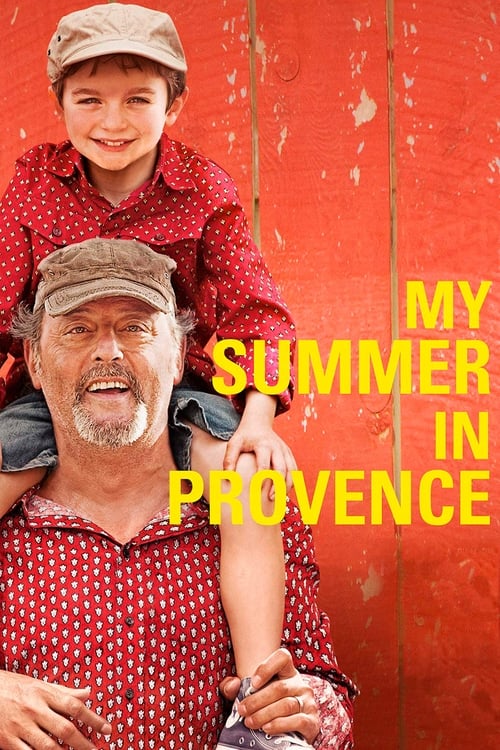
My Summer in Provence
In the wake of their parent's separation, three siblings spend the summer in the south of France with their estranged Grandfather. In less than 24 hours, a clash of generations has occurred between the teenagers and the old man. During this turbulent summer, both generations will be transformed by one another.
The film earned $4.5M at the global box office.


Plot Structure
Story beats plotted across runtime


Narrative Arc
Emotional journey through the story's key moments
Story Circle
Blueprint 15-beat structure
Arcplot Score Breakdown
Weighted: Precision (70%) + Arc (15%) + Theme (15%)
My Summer in Provence (2014) demonstrates meticulously timed dramatic framework, characteristic of Roselyne Bosch's storytelling approach. This structural analysis examines how the film's 15-point plot structure maps to proven narrative frameworks across 1 hour and 45 minutes. With an Arcplot score of 6.8, the film balances conventional beats with creative variation.
Characters
Cast & narrative archetypes

Paul
Adrien
Léa
Théo
Léa (Mother)
Main Cast & Characters
Paul
Played by Jean Reno
A grumpy, reclusive grandfather who must care for his three Parisian grandchildren during summer in Provence.
Adrien
Played by Lukas Pelissier
The eldest grandson, a responsible teenager struggling with the disconnect between his urban life and rural Provence.
Léa
Played by Chloé Jouannet
The middle child and only granddaughter, sensitive and observant, who helps bridge the gap between Paul and the children.
Théo
Played by Hugo Dessioux
The youngest grandson, energetic and curious, who forms a special bond with his grandfather through their adventures.
Léa (Mother)
Played by Anna Galiena
The children's mother and Paul's daughter, dealing with her own crisis while leaving her children in her father's care.
Structural Analysis
The Status Quo at 1 minutes (1% through the runtime) establishes Three Parisian siblings—Lea, Adrien, and Theo—live busy, disconnected lives with their parents. Their modern urban existence is detached from nature and family roots.. Of particular interest, this early placement immediately immerses viewers in the story world.
The inciting incident occurs at 13 minutes when The parents announce they're sending the children to spend summer with their estranged grandfather Paul in Provence—a man they barely know and who clearly doesn't want them there.. At 13% through the film, this Disruption is delayed, allowing extended setup of the story world. This beat shifts the emotional landscape, launching the protagonist into the central conflict.
The First Threshold at 27 minutes marks the transition into Act II, occurring at 25% of the runtime. This illustrates the protagonist's commitment to Despite their protests, the parents drive away, leaving the children stranded with Paul. The kids reluctantly accept they must stay the summer and navigate this new world., moving from reaction to action.
At 53 minutes, the Midpoint arrives at 51% of the runtime—precisely centered, creating perfect narrative symmetry. Structural examination shows that this crucial beat A breakthrough moment: Paul shares a story from his past, revealing his pain over losing his wife and estrangement from his son (the children's father). The family connection deepens authentically., fundamentally raising what's at risk. The emotional intensity shifts, dividing the narrative into clear before-and-after phases.
The Collapse moment at 80 minutes (76% through) represents the emotional nadir. Here, Paul has a serious health scare—a collapse that hospitalizes him. The children fear they're losing him just as they've found him. The threat of death looms over the fragile family reunion., indicates the protagonist at their lowest point. This beat's placement in the final quarter sets up the climactic reversal.
The Second Threshold at 84 minutes initiates the final act resolution at 80% of the runtime. The children decide to take action: they won't let their family fall apart again. They reach out to their father to reconcile him with Paul, bridging the generational divide., demonstrating the transformation achieved throughout the journey.
Emotional Journey
My Summer in Provence's emotional architecture traces a deliberate progression across 15 carefully calibrated beats.
Narrative Framework
This structural analysis employs a 15-point narrative structure framework that maps key story moments. By mapping My Summer in Provence against these established plot points, we can identify how Roselyne Bosch utilizes or subverts traditional narrative conventions. The plot point approach reveals not only adherence to structural principles but also creative choices that distinguish My Summer in Provence within the comedy genre.
Roselyne Bosch's Structural Approach
Among the 2 Roselyne Bosch films analyzed on Arcplot, the average structural score is 7.1, reflecting strong command of classical structure. My Summer in Provence takes a more unconventional approach compared to the director's typical style. For comparative analysis, explore the complete Roselyne Bosch filmography.
Comparative Analysis
Additional comedy films include The Bad Guys, Ella Enchanted and The Evening Star. For more Roselyne Bosch analyses, see The Round Up.
Plot Points by Act
Act I
SetupStatus Quo
Three Parisian siblings—Lea, Adrien, and Theo—live busy, disconnected lives with their parents. Their modern urban existence is detached from nature and family roots.
Theme
The mother mentions that "family is what matters most," foreshadowing the journey of reconnection the children will experience in Provence.
Worldbuilding
Introduction to the children's world: Lea is a self-absorbed teen, Adrien is troubled and withdrawn, Theo is the youngest and most open. Their parents are stressed and need a break.
Disruption
The parents announce they're sending the children to spend summer with their estranged grandfather Paul in Provence—a man they barely know and who clearly doesn't want them there.
Resistance
The children resist and complain but are forced to go. Journey to Provence. Initial hostile encounter with grumpy Paul, who makes clear they're unwelcome. The kids want to leave immediately.
Act II
ConfrontationFirst Threshold
Despite their protests, the parents drive away, leaving the children stranded with Paul. The kids reluctantly accept they must stay the summer and navigate this new world.
Mirror World
The children begin exploring Provence and meet locals, including potential friends. Paul's neighbor Lea becomes a gentle presence who models warmth and connection—everything Paul isn't.
Premise
The fun of discovering Provence: swimming holes, olive groves, local festivals, and food. Slow bonding between grandfather and grandchildren through shared activities. Paul begins softening despite himself.
Midpoint
A breakthrough moment: Paul shares a story from his past, revealing his pain over losing his wife and estrangement from his son (the children's father). The family connection deepens authentically.
Opposition
External pressures mount: Paul's health issues emerge, financial troubles with his land surface, and old family wounds resurface. The children's parents plan to come early, threatening to cut the summer short.
Collapse
Paul has a serious health scare—a collapse that hospitalizes him. The children fear they're losing him just as they've found him. The threat of death looms over the fragile family reunion.
Crisis
At the hospital, the children process their fear and realize how much Paul means to them. They reflect on how they've changed and what they've learned about family, roots, and love.
Act III
ResolutionSecond Threshold
The children decide to take action: they won't let their family fall apart again. They reach out to their father to reconcile him with Paul, bridging the generational divide.
Synthesis
The finale: Paul recovers. The father arrives and reconciles with Paul. A family celebration in Provence brings everyone together. The children have transformed into bridge-builders, healing old wounds.
Transformation
Final image mirrors the opening: the children are back in Paris, but they're changed—connected to each other, to their grandfather, and to their roots. They carry Provence in their hearts.