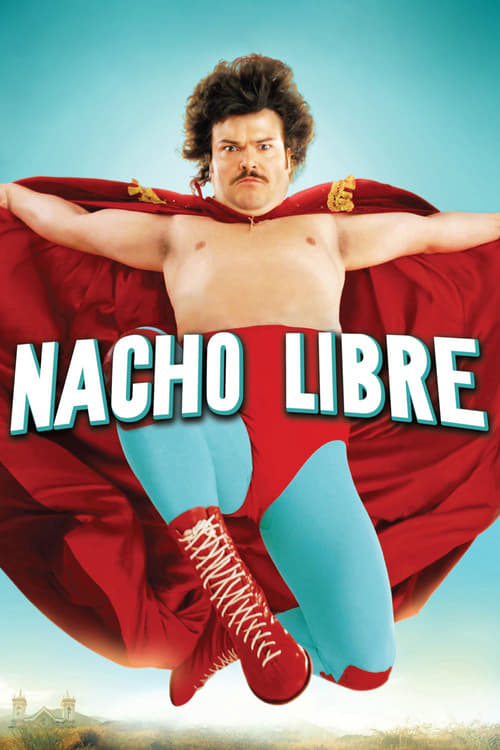
Nacho Libre
Ignacio, a disrespected cook at a Mexican monastery, can barely afford to feed the orphans who live there. Inspired by a local wrestling hero, he decides to moonlight as the not-so-famous Luchador "Nacho Libre" to earn money for the monastery -- not to mention the admiration of beautiful nun Sister Encarnación.
Despite a respectable budget of $35.0M, Nacho Libre became a commercial success, earning $99.3M worldwide—a 184% return.
1 win & 11 nominations


Plot Structure
Story beats plotted across runtime


Narrative Arc
Emotional journey through the story's key moments
Story Circle
Blueprint 15-beat structure
Arcplot Score Breakdown
Weighted: Precision (70%) + Arc (15%) + Theme (15%)
Nacho Libre (2006) exhibits carefully calibrated narrative design, characteristic of Jared Hess's storytelling approach. This structural analysis examines how the film's 15-point plot structure maps to proven narrative frameworks across 1 hour and 32 minutes. With an Arcplot score of 7.3, the film balances conventional beats with creative variation.
Characters
Cast & narrative archetypes

Ignacio (Nacho)
Esqueleto (Steven)
Sister Encarnación
Ramses
Chancho
Main Cast & Characters
Ignacio (Nacho)
Played by Jack Black
A monastery cook who secretly becomes a luchador to raise money for orphans, dreams of glory while serving others.
Esqueleto (Steven)
Played by Héctor Jiménez
A skinny street thief who becomes Nacho's wrestling partner, loyal despite initial selfishness.
Sister Encarnación
Played by Ana de la Reguera
A beautiful nun who arrives at the orphanage, inspiring Nacho's romantic feelings and desire to be worthy.
Ramses
Played by César González
The arrogant champion luchador, embodying everything Nacho aspires to become but with vanity and cruelty.
Chancho
Played by Darius Rose
A young orphan boy who looks up to Nacho and discovers his secret wrestling identity.
Structural Analysis
The Status Quo at 1 minutes (1% through the runtime) establishes Nacho serves terrible meals to orphans at a Mexican monastery, living a life of humble servitude while secretly dreaming of lucha libre wrestling glory. He is stuck between duty and desire.. Of particular interest, this early placement immediately immerses viewers in the story world.
The inciting incident occurs at 10 minutes when Nacho is robbed and beaten by street thief Esqueleto while trying to buy better food ingredients. This humiliation catalyzes his decision that he must take action rather than remain passive.. At 11% through the film, this Disruption aligns precisely with traditional story structure. This beat shifts the emotional landscape, launching the protagonist into the central conflict.
The First Threshold at 22 minutes marks the transition into Act II, occurring at 24% of the runtime. This shows the protagonist's commitment to Nacho and Esqueleto actively choose to enter their first lucha libre match, stepping into the ring as a tag team. This irreversible decision launches them into the world of wrestling and deception., moving from reaction to action.
At 46 minutes, the Midpoint arrives at 50% of the runtime—precisely centered, creating perfect narrative symmetry. Significantly, this crucial beat Nacho and Esqueleto win an actual match and qualify to fight Ramses, the champion, in a battle royale. This false victory raises the stakes dramatically - they're now competing at the highest level, but Nacho is still not truly skilled enough. The fun is over; real challenges begin., fundamentally raising what's at risk. The emotional intensity shifts, dividing the narrative into clear before-and-after phases.
The Collapse moment at 68 minutes (74% through) represents the emotional nadir. Here, Nacho is exposed as a wrestler in front of the entire monastery during a party. Sister Encarnación and the monks feel betrayed by his deception. He is cast out in disgrace, losing his position, his home, and the respect of those he loves. His dream dies., reveals the protagonist at their lowest point. This beat's placement in the final quarter sets up the climactic reversal.
The Second Threshold at 73 minutes initiates the final act resolution at 80% of the runtime. Nacho realizes he must fight Ramses not for glory or to hide, but openly and honestly for the orphans - combining his wrestling dream with his true servant's heart. He understands that honor comes from being fully himself, not from success or approval., demonstrating the transformation achieved throughout the journey.
Emotional Journey
Nacho Libre's emotional architecture traces a deliberate progression across 15 carefully calibrated beats.
Narrative Framework
This structural analysis employs a 15-point narrative structure framework that maps key story moments. By mapping Nacho Libre against these established plot points, we can identify how Jared Hess utilizes or subverts traditional narrative conventions. The plot point approach reveals not only adherence to structural principles but also creative choices that distinguish Nacho Libre within the comedy genre.
Jared Hess's Structural Approach
Among the 3 Jared Hess films analyzed on Arcplot, the average structural score is 7.3, reflecting strong command of classical structure. Nacho Libre exemplifies the director's characteristic narrative technique. For comparative analysis, explore the complete Jared Hess filmography.
Comparative Analysis
Additional comedy films include The Bad Guys, Ella Enchanted and The Evening Star. For more Jared Hess analyses, see Napoleon Dynamite, Masterminds.
Plot Points by Act
Act I
SetupStatus Quo
Nacho serves terrible meals to orphans at a Mexican monastery, living a life of humble servitude while secretly dreaming of lucha libre wrestling glory. He is stuck between duty and desire.
Theme
Sister Encarnación tells Nacho "I am not concerned with the way things look, but with what's in here" (pointing to her heart), establishing the film's theme that true worth comes from internal character, not external appearance or status.
Worldbuilding
Nacho's daily life at the orphanage is established: cooking slop with meager ingredients, being mocked by the other monks, secretly collecting wrestling magazines, and nursing his childhood dream. The arrival of beautiful Sister Encarnación stirs his desire to impress her and provide better for the orphans.
Disruption
Nacho is robbed and beaten by street thief Esqueleto while trying to buy better food ingredients. This humiliation catalyzes his decision that he must take action rather than remain passive.
Resistance
Nacho tracks down Esqueleto and proposes they become a tag team wrestling duo to win prize money. Esqueleto is skeptical but desperate. They debate whether this can work, create costumes, and prepare for their first match despite having no real skills.
Act II
ConfrontationFirst Threshold
Nacho and Esqueleto actively choose to enter their first lucha libre match, stepping into the ring as a tag team. This irreversible decision launches them into the world of wrestling and deception.
Mirror World
After bringing better food to the orphans with his winnings, Nacho has a meaningful interaction with Sister Encarnación where she sees his good heart. She becomes the embodiment of the theme: someone who values him for who he is, not what he achieves.
Premise
The fun and games of Nacho's double life: losing wrestling matches comically but winning just enough money to improve the orphanage, developing feelings for Encarnación, training with Esqueleto, keeping his secret identity hidden from the monastery. The promise of the premise is watching this unlikely wrestler chase his dream.
Midpoint
Nacho and Esqueleto win an actual match and qualify to fight Ramses, the champion, in a battle royale. This false victory raises the stakes dramatically - they're now competing at the highest level, but Nacho is still not truly skilled enough. The fun is over; real challenges begin.
Opposition
Pressure intensifies as Nacho must prepare for Ramses while hiding his identity. He seeks training from a wrestling guru in the wilderness but fails the tests. His double life becomes harder to maintain. Esqueleto is injured. Nacho's limitations and dishonesty catch up with him.
Collapse
Nacho is exposed as a wrestler in front of the entire monastery during a party. Sister Encarnación and the monks feel betrayed by his deception. He is cast out in disgrace, losing his position, his home, and the respect of those he loves. His dream dies.
Crisis
In the dark night following his exile, Nacho wanders in despair, confronting whether his dream was foolish vanity or something true. He processes the pain of rejection and loss, hitting his lowest emotional point.
Act III
ResolutionSecond Threshold
Nacho realizes he must fight Ramses not for glory or to hide, but openly and honestly for the orphans - combining his wrestling dream with his true servant's heart. He understands that honor comes from being fully himself, not from success or approval.
Synthesis
The finale: Nacho enters the battle royale and fights with complete authenticity and heart. He defeats wrestler after wrestler, rallying the crowd and the orphans who came to watch. The climactic confrontation with Ramses ends with Nacho pulling off an impossible flying leap that wins the match and the championship.
Transformation
Nacho, now openly a wrestler and accepted by the monastery, celebrates with the orphans and shares a moment with Sister Encarnación. The closing image shows him transformed: no longer hiding who he is, honored for his heart rather than his status, having found nobility in authenticity.