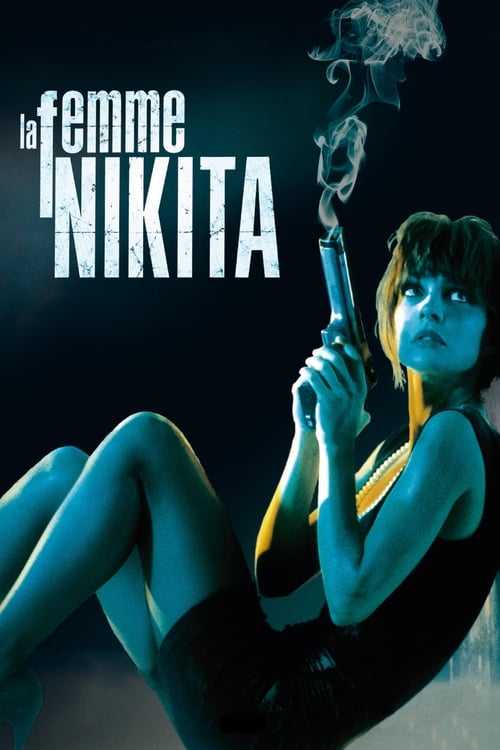
Nikita
A beautiful felon, sentenced to life in prison for the murder of a policeman, is given a second chance – as a secret political assassin controlled by the government.
The film underperformed commercially against its limited budget of $8.5M, earning $5.0M globally (-41% loss). While initial box office returns were modest, the film has gained appreciation for its innovative storytelling within the action genre.
6 wins & 17 nominations


Plot Structure
Story beats plotted across runtime


Narrative Arc
Emotional journey through the story's key moments
Story Circle
Blueprint 15-beat structure
Arcplot Score Breakdown
Weighted: Precision (70%) + Arc (15%) + Theme (15%)
Nikita (1990) showcases deliberately positioned plot construction, characteristic of Luc Besson's storytelling approach. This structural analysis examines how the film's 15-point plot structure maps to proven narrative frameworks across 1 hour and 57 minutes. With an Arcplot score of 6.8, the film balances conventional beats with creative variation.
Characters
Cast & narrative archetypes

Nikita
Bob
Marco
Amande
Victor the Cleaner
Main Cast & Characters
Nikita
Played by Anne Parillaud
A violent, drug-addicted young criminal who is given a choice between death and being trained as a government assassin. She transforms from feral street punk to elegant operative.
Bob
Played by Tcheky Karyo
The handler and trainer who recruits Nikita into the secret government program. He serves as her primary mentor and maintains an ambiguous relationship with her throughout her transformation.
Marco
Played by Jean-Hugues Anglade
A gentle cashier at a supermarket who falls in love with Nikita, unaware of her secret life as an assassin. He represents the normal life she desperately wants.
Amande
Played by Jeanne Moreau
An elegant older woman who teaches Nikita femininity, etiquette, and how to conduct herself in high society. She helps transform the wild street girl into a sophisticated woman.
Victor the Cleaner
Played by Jean Reno
A ruthless, methodical operative sent in when missions go wrong. He is cold, efficient, and terrifying - representing the darkest aspects of the organization.
Structural Analysis
The Status Quo at 1 minutes (1% through the runtime) establishes Nikita and her junkie friends break into a pharmacy at night, desperate and strung out. She is feral, violent, barely human - a creature of pure survival instinct with dead eyes.. Of particular interest, this early placement immediately immerses viewers in the story world.
The inciting incident occurs at 14 minutes when Nikita wakes from her faked execution to find herself in a secret government facility. Bob presents her with an impossible choice: become an assassin for the state, or die for real. Her old life is truly over.. At 12% through the film, this Disruption aligns precisely with traditional story structure. This beat shifts the emotional landscape, launching the protagonist into the central conflict.
The First Threshold at 29 minutes marks the transition into Act II, occurring at 25% of the runtime. This reveals the protagonist's commitment to For her birthday, Bob takes Nikita to a fine restaurant - her graduation test. When he reveals there's a gun in her gift and a target in the kitchen, she must complete her first kill. She chooses to pull the trigger, crossing into her new life as an assassin., moving from reaction to action.
At 59 minutes, the Midpoint arrives at 50% of the runtime—precisely centered, creating perfect narrative symmetry. Notably, this crucial beat Nikita and Marco move in together, playing house in domestic bliss. She has achieved the impossible: a real relationship, a semblance of normalcy. This is a false victory - the agency will never let her go, and her two lives cannot coexist forever., fundamentally raising what's at risk. The emotional intensity shifts, dividing the narrative into clear before-and-after phases.
The Collapse moment at 88 minutes (75% through) represents the emotional nadir. Here, The Cleaner, Victor, arrives - a sign the agency has lost faith in Nikita. The hotel mission becomes a bloodbath. Marco discovers the truth about Nikita when he witnesses the carnage. Her two worlds violently collide, and she can hide nothing anymore., reveals the protagonist at their lowest point. This beat's placement in the final quarter sets up the climactic reversal.
The Second Threshold at 94 minutes initiates the final act resolution at 80% of the runtime. Marco, having seen everything, chooses to stay with Nikita anyway. His acceptance offers a path forward - not to normalcy, but to being truly known and loved despite everything. Nikita realizes she must take control of her own fate., demonstrating the transformation achieved throughout the journey.
Emotional Journey
Nikita's emotional architecture traces a deliberate progression across 15 carefully calibrated beats.
Narrative Framework
This structural analysis employs structural analysis methodology used to understand storytelling architecture. By mapping Nikita against these established plot points, we can identify how Luc Besson utilizes or subverts traditional narrative conventions. The plot point approach reveals not only adherence to structural principles but also creative choices that distinguish Nikita within the action genre.
Luc Besson's Structural Approach
Among the 12 Luc Besson films analyzed on Arcplot, the average structural score is 7.0, reflecting strong command of classical structure. Nikita takes a more unconventional approach compared to the director's typical style. For comparative analysis, explore the complete Luc Besson filmography.
Comparative Analysis
Additional action films include The Bad Guys, Puss in Boots and Venom: The Last Dance. For more Luc Besson analyses, see The Fifth Element, The Family and Léon: The Professional.
Plot Points by Act
Act I
SetupStatus Quo
Nikita and her junkie friends break into a pharmacy at night, desperate and strung out. She is feral, violent, barely human - a creature of pure survival instinct with dead eyes.
Theme
Bob tells Nikita in the courtroom aftermath that she is "dead" to the world - her old identity erased. The theme of death and rebirth is established: can a person truly be remade, or does the old self always remain?
Worldbuilding
We witness Nikita's violent world: the botched pharmacy robbery, the brutal shootout with police, her savage murder of a cop, the trial, and her "execution" by lethal injection. She awakens in a sterile government facility, informed she no longer exists.
Disruption
Nikita wakes from her faked execution to find herself in a secret government facility. Bob presents her with an impossible choice: become an assassin for the state, or die for real. Her old life is truly over.
Resistance
Bob becomes Nikita's handler and reluctant mentor. She resists violently at first - attacking guards, refusing to cooperate. Slowly, through combat training, etiquette lessons with Amande, and Bob's patient persistence, she begins her transformation from animal to weapon.
Act II
ConfrontationFirst Threshold
For her birthday, Bob takes Nikita to a fine restaurant - her graduation test. When he reveals there's a gun in her gift and a target in the kitchen, she must complete her first kill. She chooses to pull the trigger, crossing into her new life as an assassin.
Mirror World
Nikita meets Marco, a gentle grocery store clerk, in her new apartment building. He represents everything she isn't - normal, kind, innocent. Their budding romance offers a glimpse of the ordinary life she can never truly have.
Premise
Nikita lives her double life: nurse by cover story, assassin by profession, lover to Marco by choice. She executes missions with cold precision while nurturing a tender relationship. The premise delivers on its promise - we watch a killer try to be human.
Midpoint
Nikita and Marco move in together, playing house in domestic bliss. She has achieved the impossible: a real relationship, a semblance of normalcy. This is a false victory - the agency will never let her go, and her two lives cannot coexist forever.
Opposition
The missions become harder, bloodier. The embassy job goes catastrophically wrong - Nikita barely escapes through a bathroom window after a brutal firefight. Marco grows suspicious of her absences. The walls close in from both sides: the agency demands more, and her cover erodes.
Collapse
The Cleaner, Victor, arrives - a sign the agency has lost faith in Nikita. The hotel mission becomes a bloodbath. Marco discovers the truth about Nikita when he witnesses the carnage. Her two worlds violently collide, and she can hide nothing anymore.
Crisis
In the aftermath, Nikita must face Marco knowing he has seen what she truly is. She contemplates her impossible situation: she cannot leave the agency, cannot undo what Marco witnessed, cannot be both killer and lover. The dream of normalcy has died.
Act III
ResolutionSecond Threshold
Marco, having seen everything, chooses to stay with Nikita anyway. His acceptance offers a path forward - not to normalcy, but to being truly known and loved despite everything. Nikita realizes she must take control of her own fate.
Synthesis
Nikita makes her choice. She tells Marco she loves him, then disappears - choosing neither the agency nor a life that would endanger him. Bob arrives looking for her. In a final conversation with Marco, it's clear Bob will let her go. She has finally gained her freedom by walking away from everything.
Transformation
The final image: Nikita's empty apartment, Marco alone but at peace, Bob walking away having chosen not to hunt her. She has vanished - no longer the feral animal of the opening, no longer the agency's weapon. She has become something new: a ghost who chose her own ending.