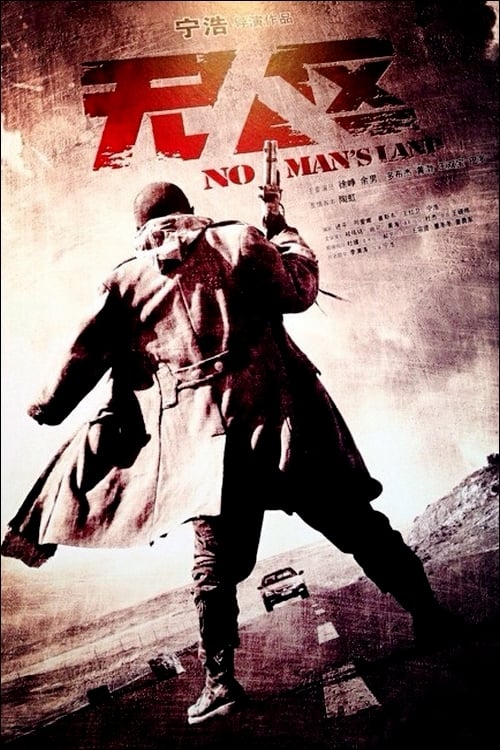
No Man's Land
Pan Xiao, a young lawyer, goes to a rural small village settled in the western desert lands of China to handle the case of a falcon poacher who has ran over a policeman. Pan wins the case through sophisticated reasoning and forces the poacher to give him his car as a reward. Then, he just drives back home, but the return will not be an easy one.
Despite its limited budget of $2.3M, No Man's Land became a massive hit, earning $41.8M worldwide—a remarkable 1702% return. The film's bold vision resonated with audiences, showing that strong storytelling can transcend budget limitations.
Plot Structure
Story beats plotted across runtime


Narrative Arc
Emotional journey through the story's key moments
Story Circle
Blueprint 15-beat structure
Structural Analysis
The Status Quo at 1 minutes (1% through the runtime) establishes The desolate Texas-Mexico borderland is established, revealing a harsh frontier world where law and morality exist in shades of gray, setting the tone for the moral ambiguity to come.. Significantly, this early placement immediately immerses viewers in the story world.
The inciting incident occurs at 14 minutes when A violent incident at the border forces the protagonist into an impossible situation, shattering his ordinary existence and demanding immediate action that will take him into dangerous territory.. At 12% through the film, this Disruption aligns precisely with traditional story structure. This beat shifts the emotional landscape, launching the protagonist into the central conflict.
The First Threshold at 30 minutes marks the transition into Act II, occurring at 25% of the runtime. This reveals the protagonist's commitment to The protagonist makes the fateful decision to cross into Mexican territory, leaving behind the safety of law and jurisdiction to pursue his mission into the lawless no man's land., moving from reaction to action.
At 59 minutes, the Midpoint arrives at 50% of the runtime—precisely centered, creating perfect narrative symmetry. Structural examination shows that this crucial beat The protagonist achieves a significant breakthrough in his pursuit, gaining crucial information or advantage that seems to guarantee success, raising the stakes as both hunter and hunted become more desperate., fundamentally raising what's at risk. The emotional intensity shifts, dividing the narrative into clear before-and-after phases.
The Collapse moment at 89 minutes (75% through) represents the emotional nadir. Here, A devastating loss strikes—either the death of an ally or a catastrophic setback that leaves the protagonist wounded, isolated, and questioning whether his mission was worth the cost paid in blood., indicates the protagonist at their lowest point. This beat's placement in the final quarter sets up the climactic reversal.
The Second Threshold at 94 minutes initiates the final act resolution at 80% of the runtime. A moment of clarity arrives—the protagonist synthesizes what he's learned about survival and justice, finding a new path forward that integrates his original values with the harsh lessons of no man's land., demonstrating the transformation achieved throughout the journey.
Emotional Journey
No Man's Land's emotional architecture traces a deliberate progression across 15 carefully calibrated beats.
Narrative Framework
This structural analysis employs systematic plot point analysis that identifies crucial turning points. By mapping No Man's Land against these established plot points, we can identify how Ning Hao utilizes or subverts traditional narrative conventions. The plot point approach reveals not only adherence to structural principles but also creative choices that distinguish No Man's Land within the crime genre.
Ning Hao's Structural Approach
Among the 2 Ning Hao films analyzed on Arcplot, the average structural score is 7.3, reflecting strong command of classical structure. No Man's Land exemplifies the director's characteristic narrative technique. For comparative analysis, explore the complete Ning Hao filmography.
Comparative Analysis
Additional crime films include The Bad Guys, Rustom and The Whole Ten Yards. For more Ning Hao analyses, see The Movie Emperor.
Plot Points by Act
Act I
SetupStatus Quo
The desolate Texas-Mexico borderland is established, revealing a harsh frontier world where law and morality exist in shades of gray, setting the tone for the moral ambiguity to come.
Theme
A character remarks that out here, "there ain't no right or wrong, just survival," articulating the film's central exploration of moral relativism in lawless territories.
Worldbuilding
The protagonist's life as a Texas Ranger is established along with the dangerous border region, introducing key relationships, the threat of smugglers and outlaws, and the jurisdictional complexities of the frontier.
Disruption
A violent incident at the border forces the protagonist into an impossible situation, shattering his ordinary existence and demanding immediate action that will take him into dangerous territory.
Resistance
The protagonist wrestles with his options, seeking counsel and gathering resources. He debates whether to pursue justice through official channels or take matters into his own hands, while a mentor figure warns of the dangers ahead.
Act II
ConfrontationFirst Threshold
The protagonist makes the fateful decision to cross into Mexican territory, leaving behind the safety of law and jurisdiction to pursue his mission into the lawless no man's land.
Mirror World
The protagonist encounters a local who becomes an unlikely ally, representing a different perspective on survival and morality in the borderlands, offering both practical help and thematic counterpoint.
Premise
The protagonist navigates the treacherous no man's land, tracking his quarry through hostile terrain and dangerous encounters, experiencing the lawless world promised by the premise while building toward confrontation.
Midpoint
The protagonist achieves a significant breakthrough in his pursuit, gaining crucial information or advantage that seems to guarantee success, raising the stakes as both hunter and hunted become more desperate.
Opposition
The antagonist forces close in as the protagonist's presence becomes known. Betrayals, ambushes, and moral compromises mount as the protagonist finds his methods increasingly mirroring those he pursues.
Collapse
A devastating loss strikes—either the death of an ally or a catastrophic setback that leaves the protagonist wounded, isolated, and questioning whether his mission was worth the cost paid in blood.
Crisis
In the aftermath of loss, the protagonist confronts the darkness within himself and the moral wasteland he has entered. He must decide whether to abandon his quest or push forward despite everything.
Act III
ResolutionSecond Threshold
A moment of clarity arrives—the protagonist synthesizes what he's learned about survival and justice, finding a new path forward that integrates his original values with the harsh lessons of no man's land.
Synthesis
The protagonist executes his final plan, confronting the antagonist in a climactic showdown that tests everything he's become. Justice, vengeance, and survival converge in the resolution of the conflict.
Transformation
The protagonist stands transformed by his journey through no man's land—no longer the lawman he was, but someone who has faced the moral abyss and emerged with a harder, more complex understanding of justice.