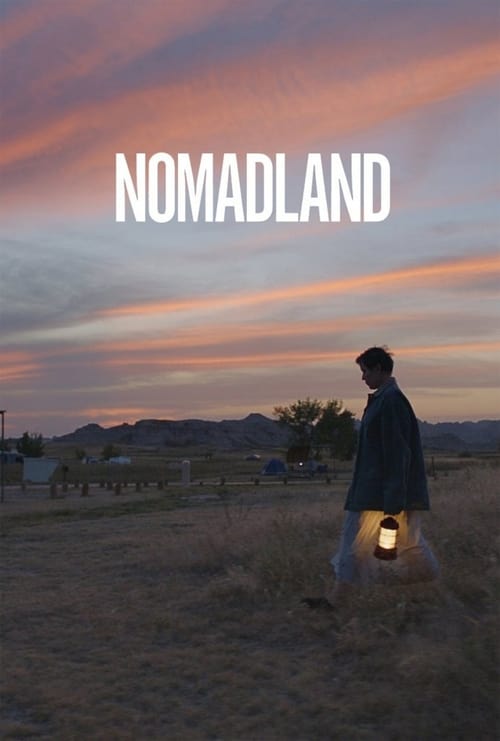
Nomadland
A woman in her sixties embarks on a journey through the western United States after losing everything in the Great Recession, living as a van-dwelling modern-day nomad.
Despite its tight budget of $5.0M, Nomadland became a massive hit, earning $39.5M worldwide—a remarkable 689% return. The film's compelling narrative connected with viewers, confirming that strong storytelling can transcend budget limitations.
3 Oscars. 253 wins & 155 nominations


Plot Structure
Story beats plotted across runtime


Narrative Arc
Emotional journey through the story's key moments
Story Circle
Blueprint 15-beat structure
Arcplot Score Breakdown
Weighted: Precision (70%) + Arc (15%) + Theme (15%)
Nomadland (2021) demonstrates carefully calibrated narrative design, characteristic of Chloé Zhao's storytelling approach. This structural analysis examines how the film's 15-point plot structure maps to proven narrative frameworks across 1 hour and 48 minutes. With an Arcplot score of 6.1, the film takes an unconventional approach to traditional narrative frameworks.
Characters
Cast & narrative archetypes

Fern
Dave
Linda May
Swankie
Bob Wells
Dolly
Main Cast & Characters
Fern
Played by Frances McDormand
A widow in her sixties who loses her home and job when the company town of Empire, Nevada shuts down, embarking on a journey as a modern-day nomad living in her van.
Dave
Played by David Strathairn
A fellow nomad who develops romantic feelings for Fern and offers her a chance at a more settled life with his family.
Linda May
Played by Linda May
A real-life nomad who befriends Fern and shares her own story of economic hardship and finding freedom on the road.
Swankie
Played by Charlene Swankie
A terminally ill nomad who chooses to spend her final months traveling to see the places she loves rather than in a hospital.
Bob Wells
Played by Bob Wells
A real-life YouTube personality and nomad advocate who runs gatherings for van dwellers and teaches the philosophy of nomadic living.
Dolly
Played by Melissa Smith
Fern's sister who represents the conventional life Fern has chosen to leave behind, offering her a place to stay.
Structural Analysis
The Status Quo at 1 minutes (1% through the runtime) establishes Fern packs her belongings into her van after the closure of Empire, Nevada. She lives alone in her vehicle, preparing for life as a nomad after losing both her husband and her town.. Notably, this early placement immediately immerses viewers in the story world.
The inciting incident occurs at 13 minutes when Fern's van breaks down, requiring expensive repairs she can barely afford. This mechanical failure threatens her already precarious existence and forces her deeper into the nomad community for survival.. At 12% through the film, this Disruption aligns precisely with traditional story structure. This beat shifts the emotional landscape, launching the protagonist into the central conflict.
The First Threshold at 27 minutes marks the transition into Act II, occurring at 25% of the runtime. This illustrates the protagonist's commitment to Fern actively chooses to continue on the road rather than accept her sister's offer to stay in a house. She commits to the nomadic lifestyle as her path forward, embracing it as her identity., moving from reaction to action.
At 54 minutes, the Midpoint arrives at 50% of the runtime—precisely centered, creating perfect narrative symmetry. The analysis reveals that this crucial beat Swankie shares her terminal cancer diagnosis but celebrates her decision to spend her remaining time in nature seeing the things she loves. This represents a false high—affirming the nomad choice while foreshadowing loss., fundamentally raising what's at risk. The emotional intensity shifts, dividing the narrative into clear before-and-after phases.
The Collapse moment at 81 minutes (75% through) represents the emotional nadir. Here, Fern learns that Swankie has likely died. The loss of her friend represents the "whiff of death" and forces Fern to confront mortality, impermanence, and the cost of a life without permanent roots., reveals the protagonist at their lowest point. This beat's placement in the final quarter sets up the climactic reversal.
The Second Threshold at 86 minutes initiates the final act resolution at 80% of the runtime. In the ruins of Empire, Fern releases stones representing memories into the landscape. This ritual allows her to accept her grief while choosing to move forward, integrating her past with her nomadic present., demonstrating the transformation achieved throughout the journey.
Emotional Journey
Nomadland's emotional architecture traces a deliberate progression across 15 carefully calibrated beats.
Narrative Framework
This structural analysis employs a 15-point narrative structure framework that maps key story moments. By mapping Nomadland against these established plot points, we can identify how Chloé Zhao utilizes or subverts traditional narrative conventions. The plot point approach reveals not only adherence to structural principles but also creative choices that distinguish Nomadland within the drama genre.
Chloé Zhao's Structural Approach
Among the 2 Chloé Zhao films analyzed on Arcplot, the average structural score is 6.3, demonstrating varied approaches to story architecture. Nomadland takes a more unconventional approach compared to the director's typical style. For comparative analysis, explore the complete Chloé Zhao filmography.
Comparative Analysis
Additional drama films include After Thomas, South Pacific and Dirty Dancing: Havana Nights. For more Chloé Zhao analyses, see Eternals.
Plot Points by Act
Act I
SetupStatus Quo
Fern packs her belongings into her van after the closure of Empire, Nevada. She lives alone in her vehicle, preparing for life as a nomad after losing both her husband and her town.
Theme
At the Amazon warehouse, a coworker tells Fern, "I'm not homeless, I'm just houseless. Not the same thing, right?" This encapsulates the film's exploration of identity, home, and belonging beyond physical structures.
Worldbuilding
Fern works seasonal jobs at Amazon, lives in her van "Vanguard," and navigates the practical realities of nomadic life. We see her routines, her grief over her husband Bo, and the economic collapse that eliminated her community.
Disruption
Fern's van breaks down, requiring expensive repairs she can barely afford. This mechanical failure threatens her already precarious existence and forces her deeper into the nomad community for survival.
Resistance
Fern attends a desert rendezvous where she meets veteran nomads including Linda May and Swankie. She learns nomad skills, survival techniques, and begins to understand this lifestyle as a choice rather than just economic necessity.
Act II
ConfrontationFirst Threshold
Fern actively chooses to continue on the road rather than accept her sister's offer to stay in a house. She commits to the nomadic lifestyle as her path forward, embracing it as her identity.
Mirror World
Fern deepens her connection with Dave, a fellow nomad who represents the possibility of companionship and community on the road. He embodies the film's theme that home can be people, not places.
Premise
Fern travels through stunning American landscapes, taking seasonal jobs, building friendships with other nomads, and discovering beauty and freedom in transience. She finds moments of joy and connection in the nomadic community.
Midpoint
Swankie shares her terminal cancer diagnosis but celebrates her decision to spend her remaining time in nature seeing the things she loves. This represents a false high—affirming the nomad choice while foreshadowing loss.
Opposition
Fern visits Dave's son's home and feels the pull of conventional family life. She experiences the tension between community and solitude, connection and independence. The nomad life becomes harder as friends leave or fall ill.
Collapse
Fern learns that Swankie has likely died. The loss of her friend represents the "whiff of death" and forces Fern to confront mortality, impermanence, and the cost of a life without permanent roots.
Crisis
Fern returns to Empire, Nevada—now a ghost town. She walks through her abandoned home, confronting memories of Bo and her former life. She processes grief and what she has lost in her darkness.
Act III
ResolutionSecond Threshold
In the ruins of Empire, Fern releases stones representing memories into the landscape. This ritual allows her to accept her grief while choosing to move forward, integrating her past with her nomadic present.
Synthesis
Fern returns to the road with renewed purpose. She attends another desert gathering, reconnects with her nomad family, and continues her journey with acceptance of both loss and freedom.
Transformation
Fern drives through open landscape, at peace in her van. Unlike the opening, she is no longer fleeing loss but embracing a chosen life. She has transformed grief into acceptance and houselessness into home.